Melasma Treatment in Myeongdong: What Works Best?
Melasma Treatment in Myeongdong: What Works Best?
Melasma is one of the most difficult pigmentation conditions to treat because it’s chronic, hormone-related, and easily triggered by heat and UV exposure. That’s why in Korea—especially in Myeongdong—treatment focuses on control and long-term management, not just removal.
Why Melasma is Hard to Treat
Unlike freckles or sun spots, melasma:
- Exists in multiple skin layers (epidermal + dermal)
- Is triggered by hormones, UV, and inflammation
- Can come back easily even after improvement
👉 This is why aggressive treatments can sometimes make it worse (rebound pigmentation)
What Actually Works Best in Korea
1. Laser Toning (Foundation Treatment)
- Low-energy Q-switched Nd:YAG laser
- Gradually breaks down melanin
- Suppresses pigment production without damaging skin
👉 This is considered the standard baseline treatment in Korea
- Frequency: every 1–2 weeks
- Sessions: 10+ recommended
- Downtime: minimal
✔ Best for: initial control + maintenance
2. Pico Laser (For Stubborn Melasma)
- Uses ultra-fast picosecond pulses
- Breaks pigment more precisely with less heat
- Lower risk of irritation and PIH
👉 Especially effective for deeper or resistant melasma
- 5 sessions: ~30–50% improvement
- 10 sessions: up to ~60–80% improvement
✔ Best for: patients who don’t respond to regular toning
3. Combination Laser Approach (Most Common)
In reality, clinics rarely use just one laser.
- Laser toning → stabilize pigment
- Pico laser → target stubborn areas
- Gentle settings → avoid rebound
👉 The key strategy in Korea is “low energy + multiple sessions”, not aggressive one-time treatment
4. Topical & Medical Treatments (Very Important)
Laser alone is not enough for melasma.
Common additions:
- Tranexamic acid (topical or oral)
- Hydroquinone / brightening agents
- Anti-inflammatory skincare
👉 Combining lasers with medication significantly improves outcomes
5. Skin Barrier & Calming Treatments
Melasma is highly sensitive to irritation.
- LDM / calming lasers
- Skin boosters (Rejuran, hydration)
- Barrier repair care
👉 These help prevent rebound and stabilize results
What Does NOT Work Well Alone
❌ One-time laser treatments
❌ Aggressive resurfacing (can worsen melasma)
❌ Skipping skincare or sunscreen
👉 Melasma is a management condition, not a one-session fix
Typical Treatment Plan in Myeongdong
- Skin diagnosis (melasma depth & type)
- Laser toning (baseline control)
- Pico laser (target stubborn pigment)
- Topical / oral treatment support
- Maintenance sessions every few weeks
👉 This layered approach is why Korea is known for better results
Average Cost in Myeongdong
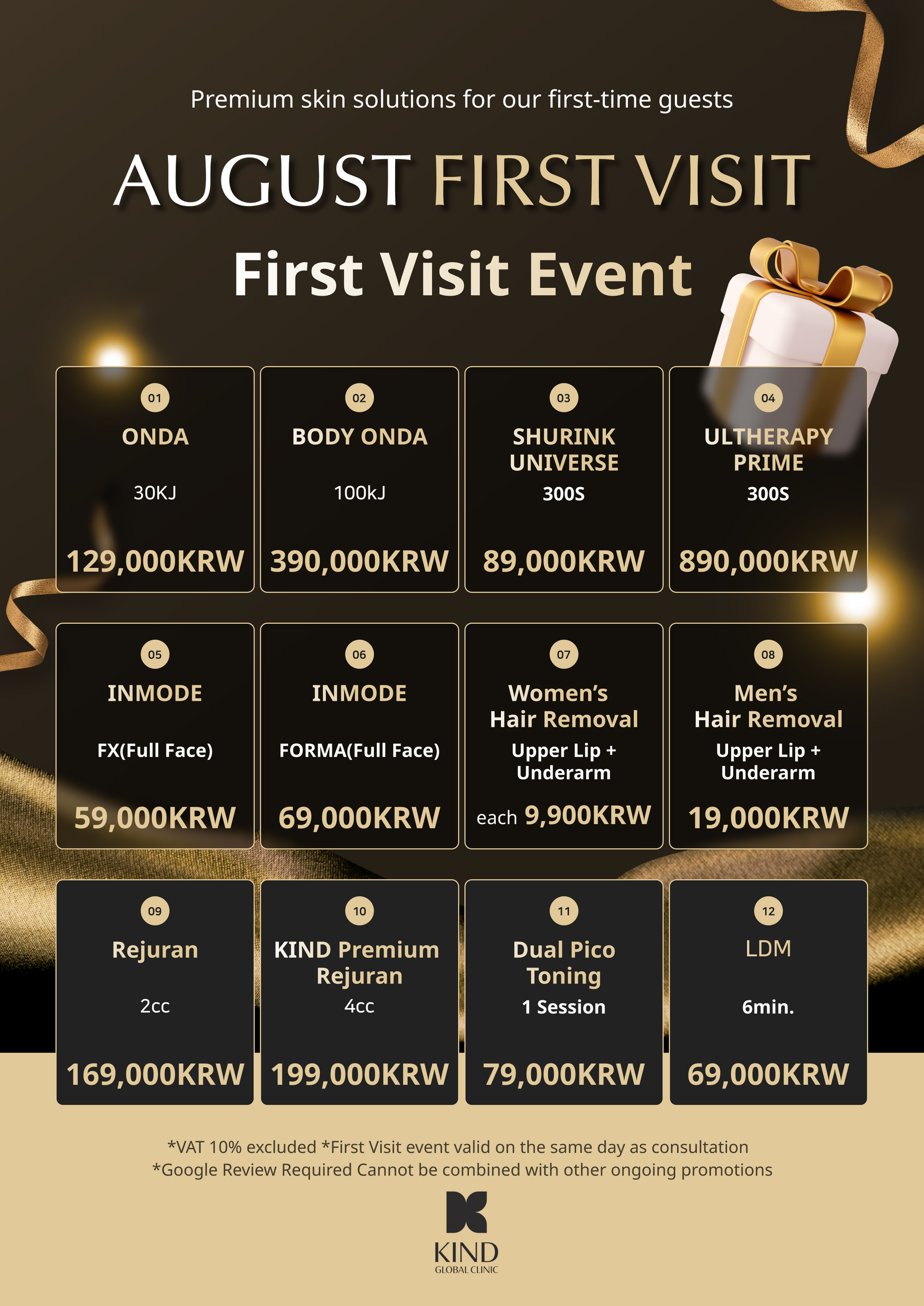
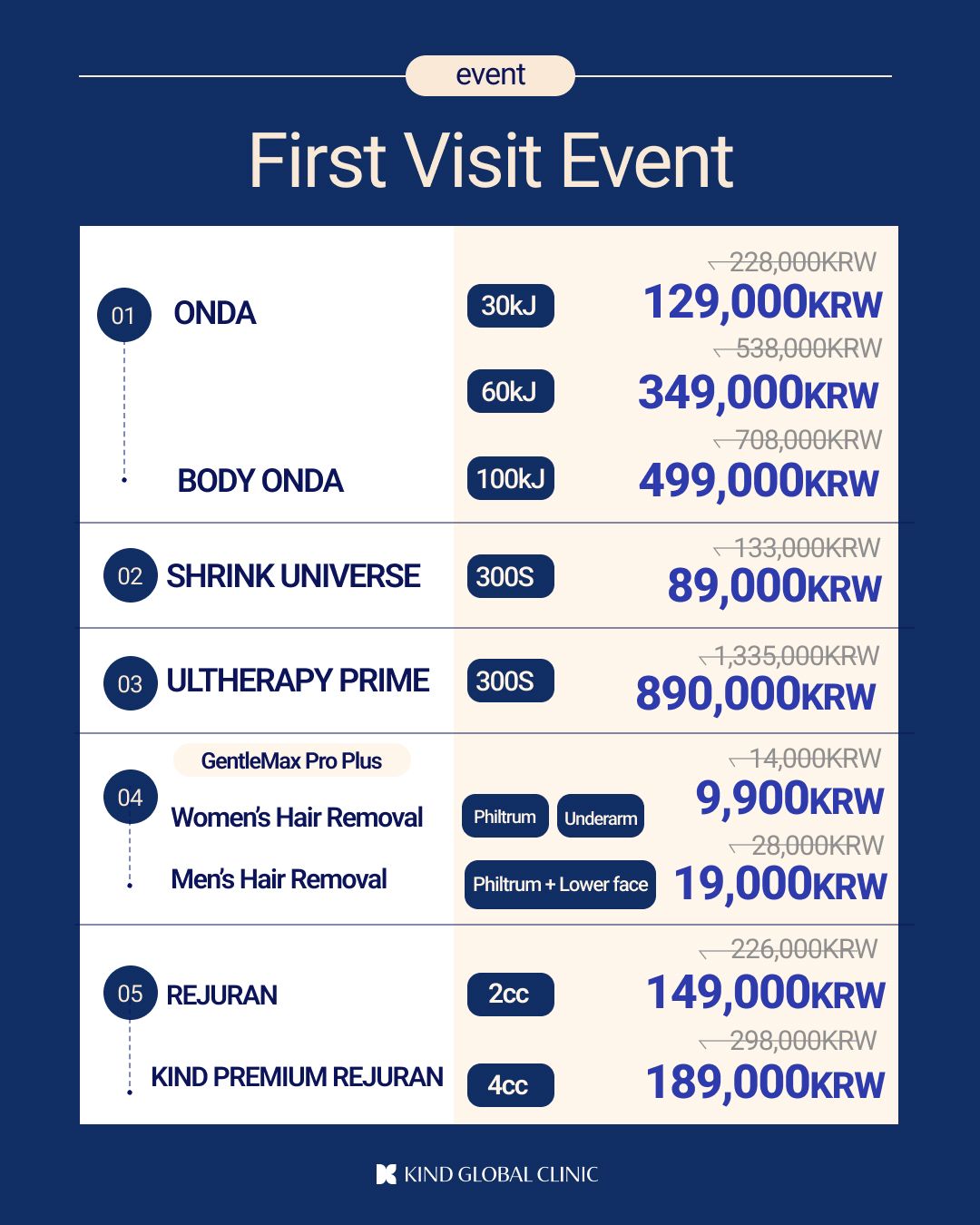
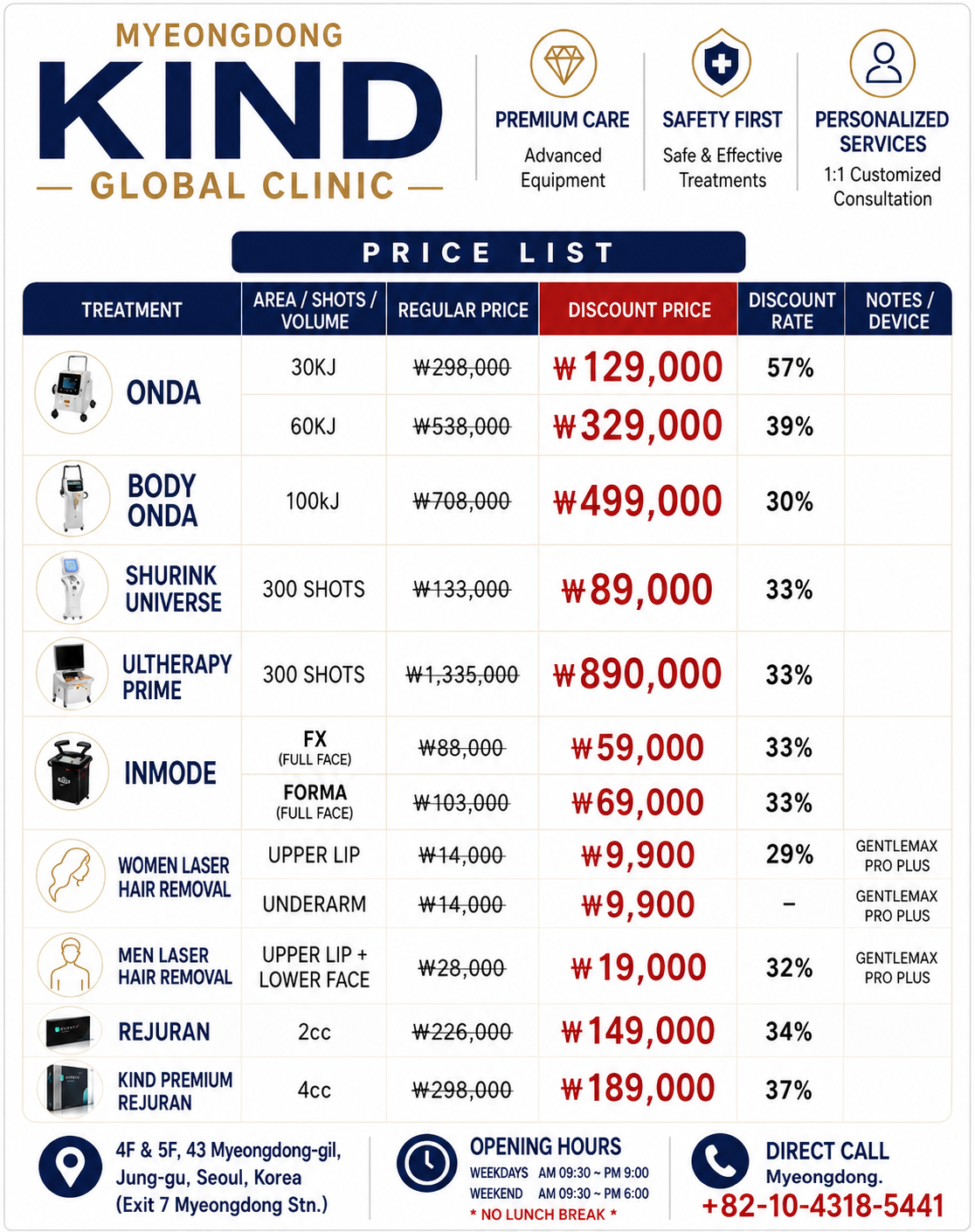
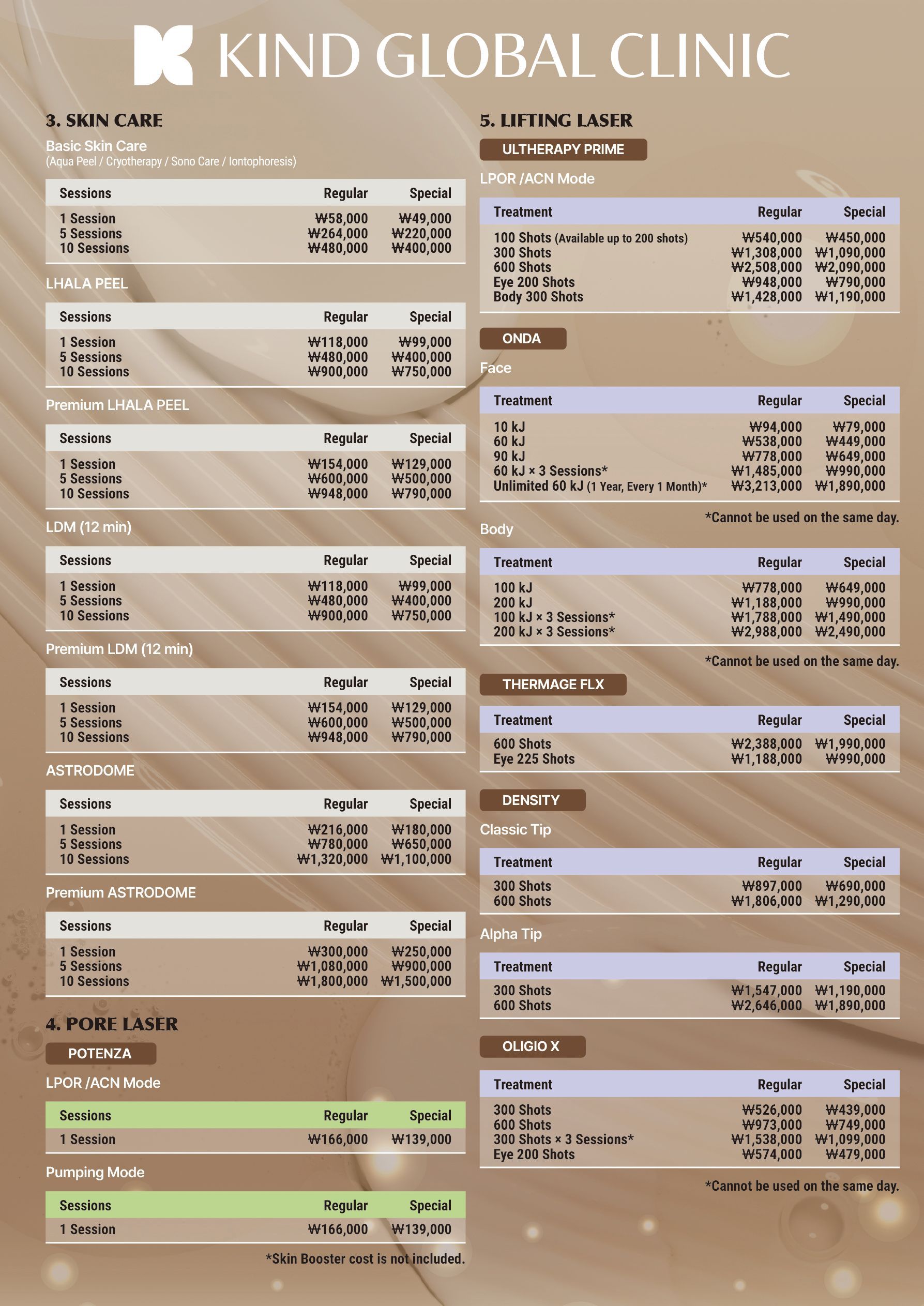
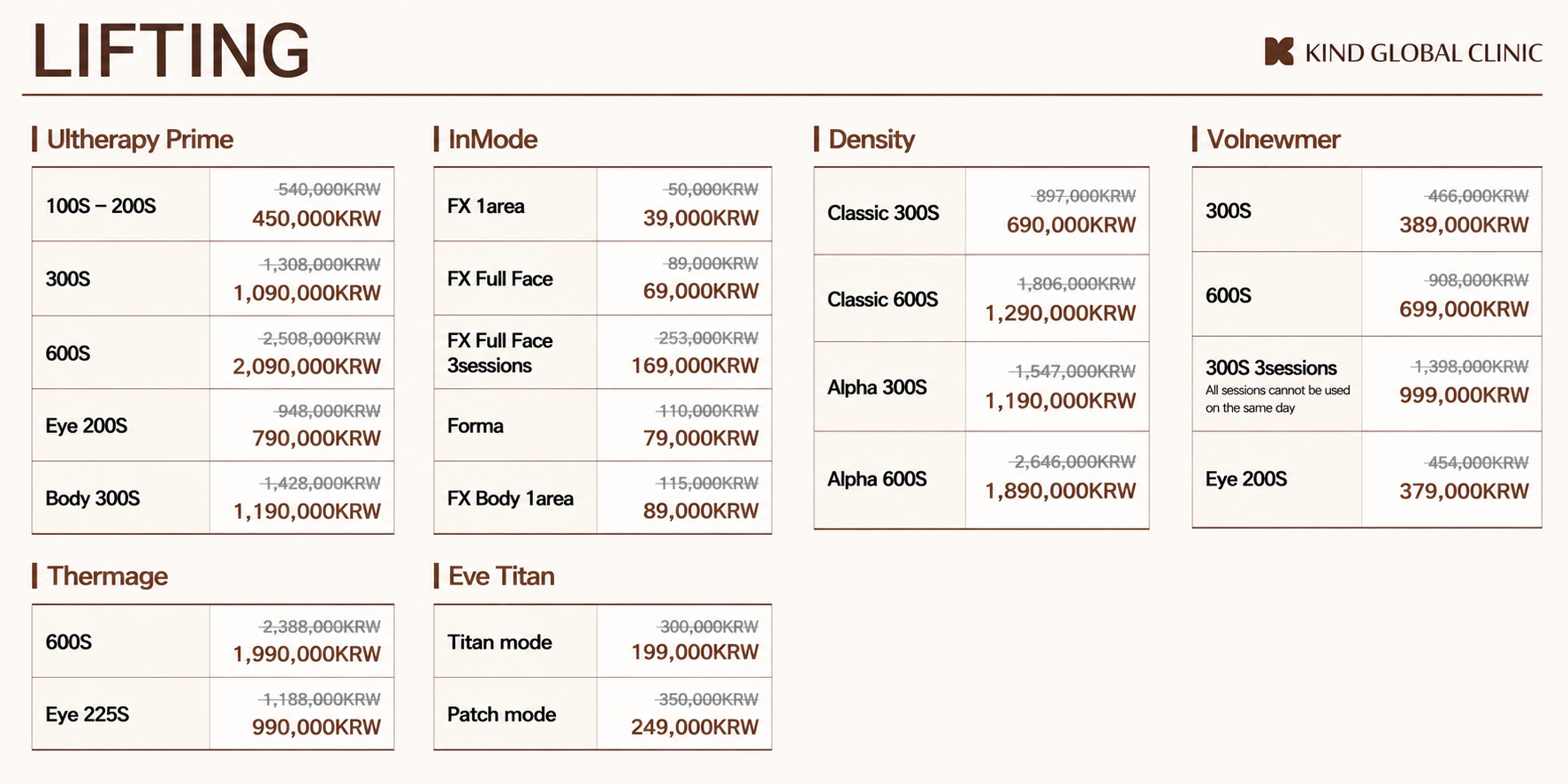
- Laser Toning: 80,000 – 250,000 KRW
- Pico Laser: 150,000 – 400,000 KRW
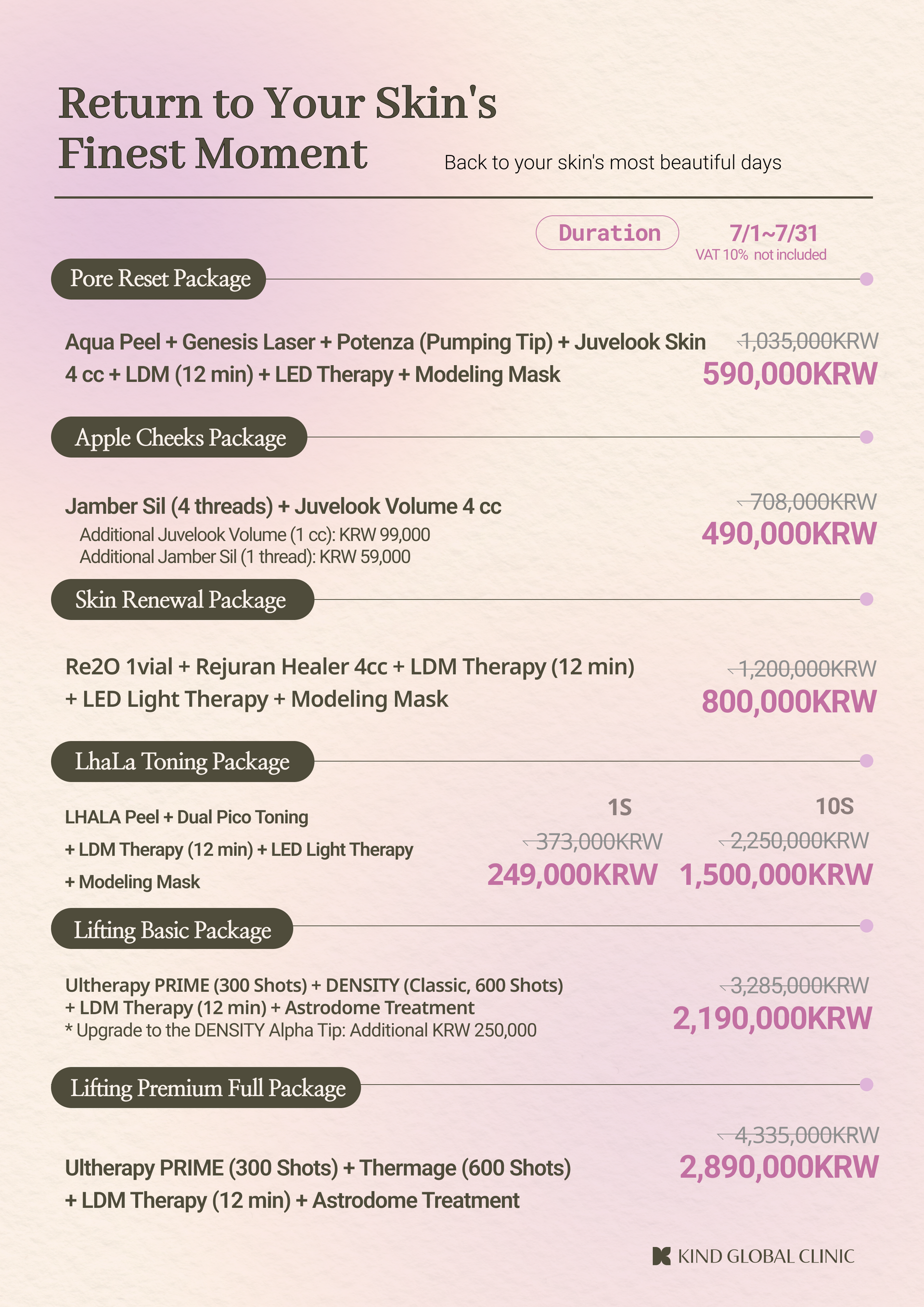
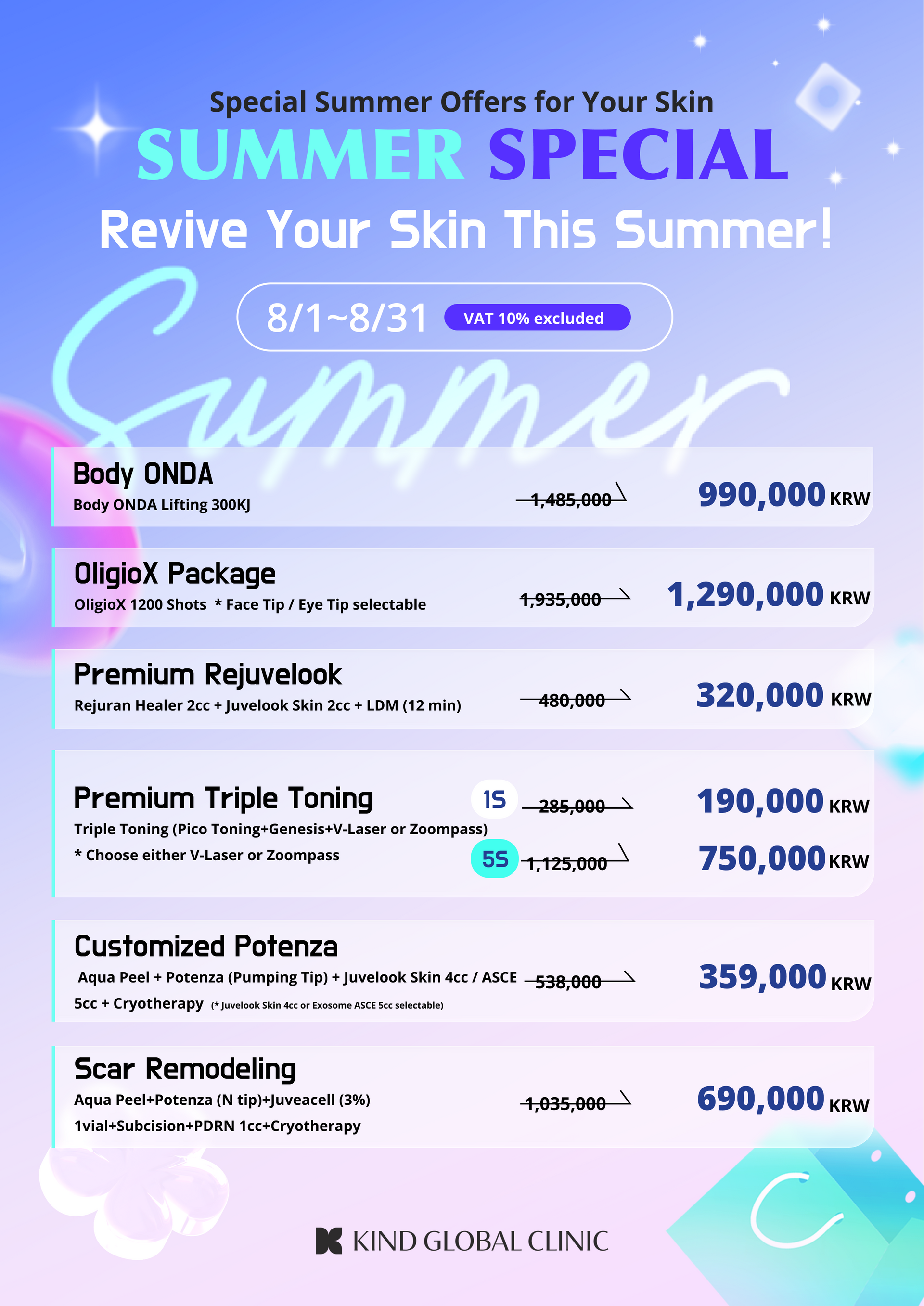
- Combination Packages: 500,000 – 1,500,000+ KRW
💡 Most patients need 5–10+ sessions
How Long Does It Take?
- Early improvement: 2–4 weeks
- Visible lightening: 1–2 months
- Stable results: 3+ months with maintenance
👉 Melasma requires ongoing care, not a one-time solution
Tips for Foreigners
- Always ask if treatment is low-fluence (gentle settings)
- Avoid clinics promising “instant removal”
- Strict sunscreen use is mandatory
- Combine treatment with skincare/medication
- Plan multiple sessions if possible
Final Thoughts
The best melasma treatment in Myeongdong is not a single procedure—it’s a carefully controlled, multi-step strategy.
With the right combination of laser toning, pico laser, and medical support, you can significantly lighten melasma while minimizing the risk of rebound.
If you approach it correctly—with patience and consistency—Korea offers one of the most effective systems in the world for managing melasma long-term.