Why Combination Therapy Produces Better Results in Korea?
Introduction
Cosmetic dermatology is rarely about treating every skin concern with one procedure. Skin aging, pigmentation, acne scars, dehydration, wrinkles, and loss of firmness can develop for different reasons, so one treatment may not address every factor involved.
This is why combination therapy has become an important part of modern aesthetic dermatology in Korea. Instead of relying on one procedure for every concern, dermatologists may combine treatments that work through different mechanisms. The goal is not simply to perform more procedures, but to address specific problems in a coordinated and medically appropriate way.
In Korea, combination treatment can include approaches such as laser therapy, radiofrequency treatments, skin boosters, Botox, fillers, ultrasound-based procedures, and medical skincare. The exact combination should always be customized to the patient's skin condition, anatomy, treatment goals, and recovery tolerance.
What Is Combination Therapy?
Combination therapy means using two or more treatments as part of a coordinated aesthetic plan.
The procedures may be performed:
- During the same appointment
- On different days
- In separate treatment phases
- Seasonally
- As part of a longer maintenance program
The timing depends on the procedures involved.
Why One Treatment May Not Be Enough
Skin concerns often overlap.
A patient may simultaneously have:
- Pigmentation
- Fine lines
- Dehydration
- Enlarged-looking pores
- Acne scars
- Loss of firmness
- Dynamic wrinkles
One procedure may improve one or two of these concerns but have little effect on the others.
Combination therapy allows each treatment to have a defined purpose.
The Korean Approach to Combination Treatments
A common principle in Korean aesthetic dermatology is to focus on overall skin quality rather than treating one visible symptom in isolation.
For example, a patient with early facial aging may not only have wrinkles. They may also have:
- Reduced collagen
- Mild laxity
- Uneven pigmentation
- Drier skin
- Texture changes
A treatment plan can therefore address several contributing factors without relying on one aggressive procedure.
Combination Therapy Does Not Mean More Is Always Better
This distinction is important.
A good combination treatment plan is not a list of every available procedure.
Instead, each treatment should have a clear purpose.
For example
Laser: May target pigmentation or selected texture concerns.
RF treatment: May target collagen remodeling or firmness.
Skin booster: May target selected aspects of skin quality.
Botox: May target dynamic muscle-related wrinkles.
Filler: May restore selected facial volume.
The goal is appropriate treatment—not maximum treatment.
Example: Laser + Skin Booster
A patient with uneven tone and dehydrated-looking skin may be considered for a combination of laser treatment and a skin-quality injectable.
The laser may address selected pigmentation or surface concerns, while the skin booster may focus on hydration or texture.
The procedures do different jobs.
Example: RF Microneedling + Skin Booster
RF microneedling may be considered for:
- Acne scars
- Uneven texture
- Enlarged-looking pores
- Fine lines
- Mild laxity
A skin-quality treatment may address other concerns related to hydration or skin appearance.
The dermatologist should determine whether these treatments should be performed together or separated.
Example: Thermage + Skin Booster
Radiofrequency-based tightening and skin-quality treatments can address different aspects of aging.
A tightening procedure may focus on firmness, while a skin booster may focus on selected skin-quality concerns.
This can be considered when a patient wants improvement without relying heavily on facial volume.
Example: Ultherapy + Rejuran
Ultrasound-based treatment and regenerative or skin-quality injectable treatments are sometimes discussed together in Korean aesthetic medicine.
They may be considered when both firmness and skin quality are concerns.
However, the exact products and protocols matter, and patients should receive individualized medical advice.
Example: Botox + Laser
Botox primarily targets muscle activity, while lasers may target concerns such as pigmentation, texture, or selected signs of sun damage.
Combining them can therefore make sense when the patient has both dynamic wrinkles and skin-quality concerns.
The appropriate sequence depends on the laser and treatment area.
Example: Filler + Skin Booster
Filler can restore selected facial volume or contour.
A skin booster may focus on hydration, fine lines, or texture.
This combination may be considered for patients experiencing both structural and skin-quality changes.
Why Treatment Sequence Matters
Two procedures may be appropriate individually but not necessarily performed simultaneously.
The dermatologist may consider:
- Treatment intensity
- Skin inflammation
- Injection sites
- Recovery period
- Risk of pigmentation
- Product characteristics
- Patient schedule
Some combinations can be performed during one visit, while others are better spaced apart.
Same-Day Combination Treatments
Some lower-downtime treatments may be combined during the same appointment.
However, the decision should be made by the treating medical professional.
Factors include
- Device used
- Energy settings
- Injection technique
- Treatment area
- Skin sensitivity
- Medical history
- Previous treatment response
There should be a medical reason for combining treatments.
Staged Combination Treatments
In other cases, treatments are performed over several weeks or months.
This can allow:
- Recovery between procedures
- Better assessment of results
- Lower cumulative irritation
- More controlled treatment intensity
- Adjustments based on skin response
For many patients, staged treatment is more practical than doing everything at once.
Combination Therapy for Pigmentation
Pigmentation is not one single condition.
It can result from:
- Sun exposure
- Post-inflammatory pigmentation
- Melasma
- Freckles
- Other pigmentary disorders
A dermatologist should identify the likely cause before selecting a combination.
Possible components may include
- Appropriate laser treatment
- Prescription skincare when indicated
- Sunscreen
- Barrier support
- Maintenance treatments
Aggressive treatment is not automatically the best approach for pigmentation.
Combination Therapy for Acne Scars
Acne scars are particularly suitable for individualized combination planning because different scars have different structures.
Possible treatments include
- RF microneedling
- Fractional laser
- Subcision
- TCA CROSS
- Other scar-specific techniques
For example, a patient may have both rolling and ice-pick scars. One treatment may not be ideal for both.
Combination Therapy for Skin Aging
Facial aging involves more than wrinkles.
It may include:
- Collagen loss
- Skin thinning
- Volume changes
- Pigmentation
- Texture changes
- Muscle activity
- Laxity
A combination plan can target different mechanisms without relying on one procedure.
Combination Therapy for Skin Quality
Skin quality generally refers to characteristics such as:
- Hydration
- Smoothness
- Elasticity
- Texture
- Evenness
- Radiance
Treatments should be selected according to which characteristics are actually problematic.
Combination Therapy for Busy Patients
Combination therapy can sometimes be useful for patients who have limited time.
For example, an international patient visiting Seoul for several days may want to address multiple concerns during one trip.
However, compressing treatments into a short schedule is not always medically appropriate.
Recovery must be considered.
Planning Combination Treatments During a Korea Trip
International patients should avoid building their itinerary around the assumption that every treatment can be performed on the same day.
A better strategy is to:
- Schedule a consultation.
- Explain your travel dates.
- Identify your top skin concerns.
- Ask which treatments can safely be combined.
- Leave adequate recovery time.
- Follow aftercare instructions.
- Plan follow-up if necessary.
Can You Combine Treatments Before Flying Home?
This depends on the procedures.
Low-downtime treatments may sometimes fit into a short itinerary.
More intensive procedures may require several days or longer before flying, depending on the treatment and individual circumstances.
Always discuss your flight schedule with the clinic.
Can You Go Shopping in Myeongdong After Combination Treatment?
This depends on the treatment intensity.
After certain low-downtime procedures, light activities may be possible.
After more intensive procedures, extensive outdoor walking may be uncomfortable because of:
- Sun exposure
- Heat
- Sweating
- Crowds
- Friction
If sightseeing is important, schedule it around your recovery rather than immediately after treatment.
Combination Therapy and Natural-Looking Results
One benefit of a carefully planned combination approach is that it may allow each treatment to remain relatively targeted.
Instead of using a high-intensity procedure to solve multiple problems, a dermatologist can sometimes use different treatments for different concerns.
This may support a more balanced result.
Why Conservative Treatment Can Be Better
Over-treatment can increase:
- Irritation
- Swelling
- Downtime
- Cost
- Risk of complications
A patient does not necessarily need every available procedure.
The best combination is the smallest effective combination that addresses meaningful concerns appropriately.
Who Is a Good Candidate?
Combination therapy may be considered for patients with several aesthetic concerns.
Examples include
- Wrinkles plus pigmentation
- Acne scars plus uneven texture
- Skin laxity plus dehydration
- Volume loss plus fine lines
- Dullness plus uneven skin tone
A dermatologist should determine whether combination treatment is appropriate.
Who May Need to Delay Combination Therapy?
Treatment may need to be postponed in patients with:
- Active skin infections
- Significant inflammation
- Open wounds
- Severe irritation
- Recent aggressive procedures
- Certain medical conditions
A medical history should be reviewed before treatment.
How to Prepare for Combination Treatment
Before treatment, provide information about:
- Current skincare
- Medications
- Allergies
- Previous aesthetic procedures
- Recent sun exposure
- Previous adverse reactions
- Upcoming events
- Travel schedule
Do not stop prescribed medication without medical advice.
Recovery After Combination Treatment
Recovery depends on the individual procedures.
Possible effects include
- Redness
- Swelling
- Bruising
- Tenderness
- Dryness
- Peeling
- Temporary sensitivity
Combining procedures can sometimes increase the overall recovery period.
Why Aftercare Becomes More Important
When multiple procedures are performed, the skin may need more careful management.
Follow your clinic's instructions regarding
- Sunscreen
- Cleansing
- Moisturization
- Exercise
- Heat exposure
- Makeup
- Active skincare ingredients
Do not add aggressive products simply because you want faster results.
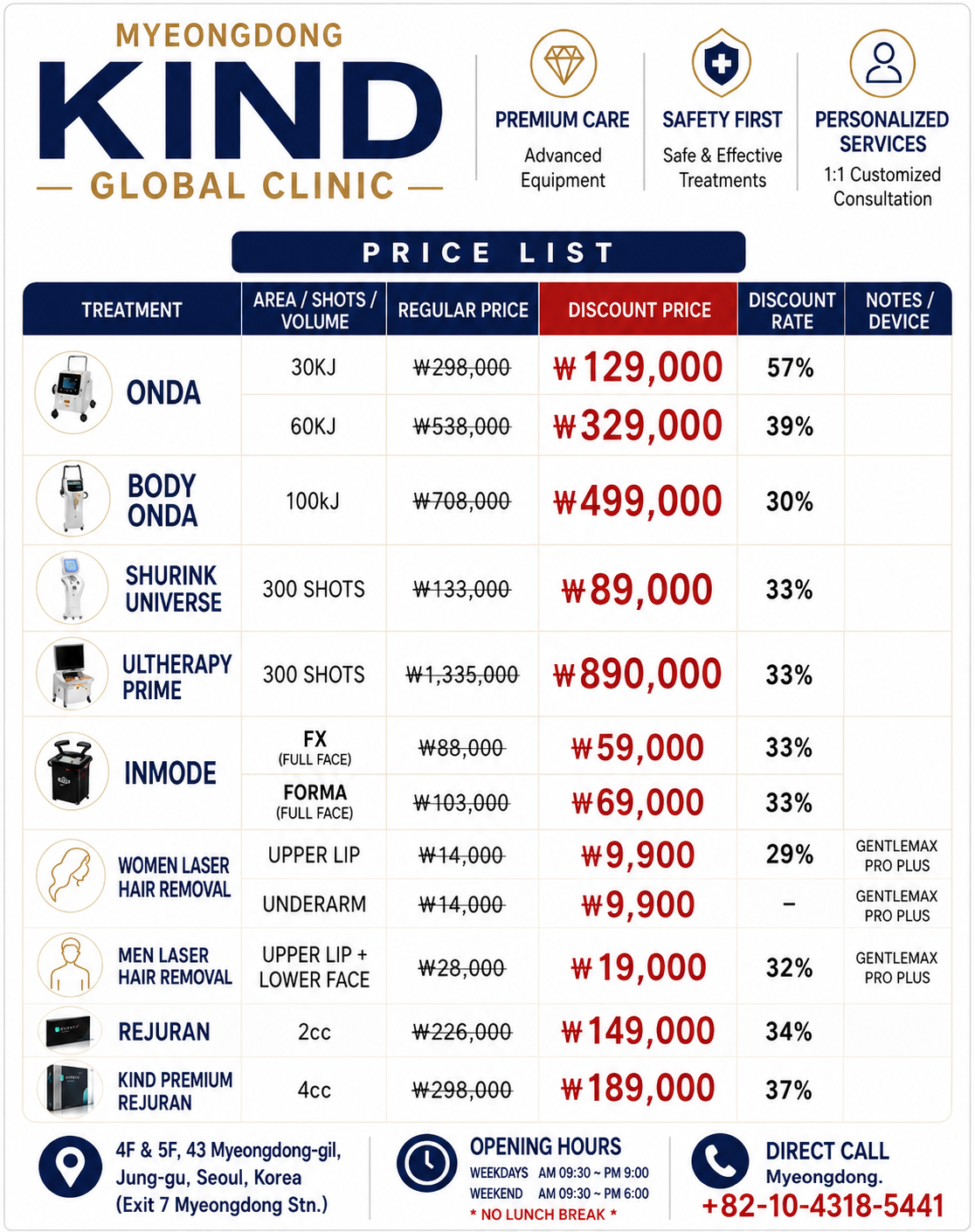
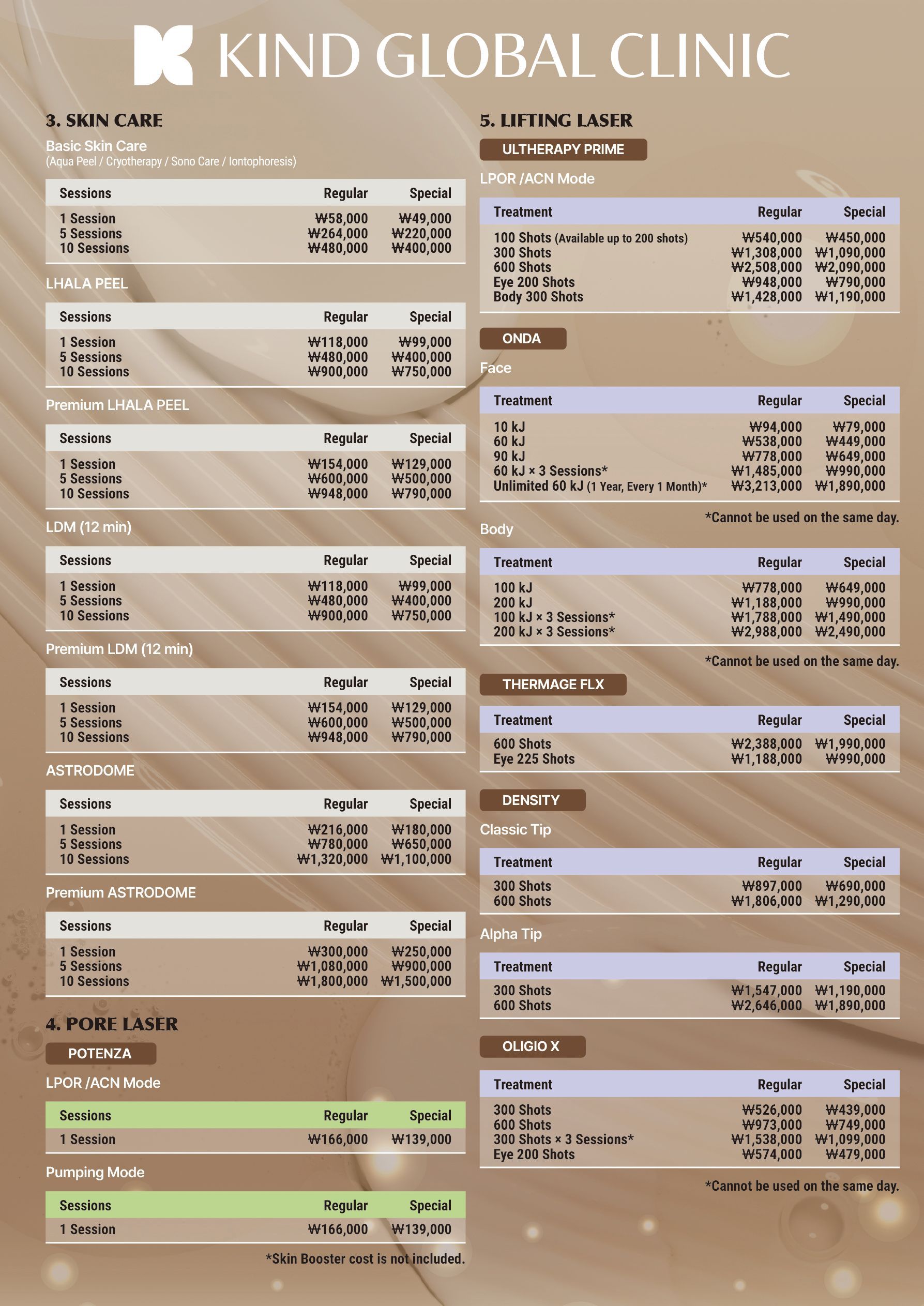
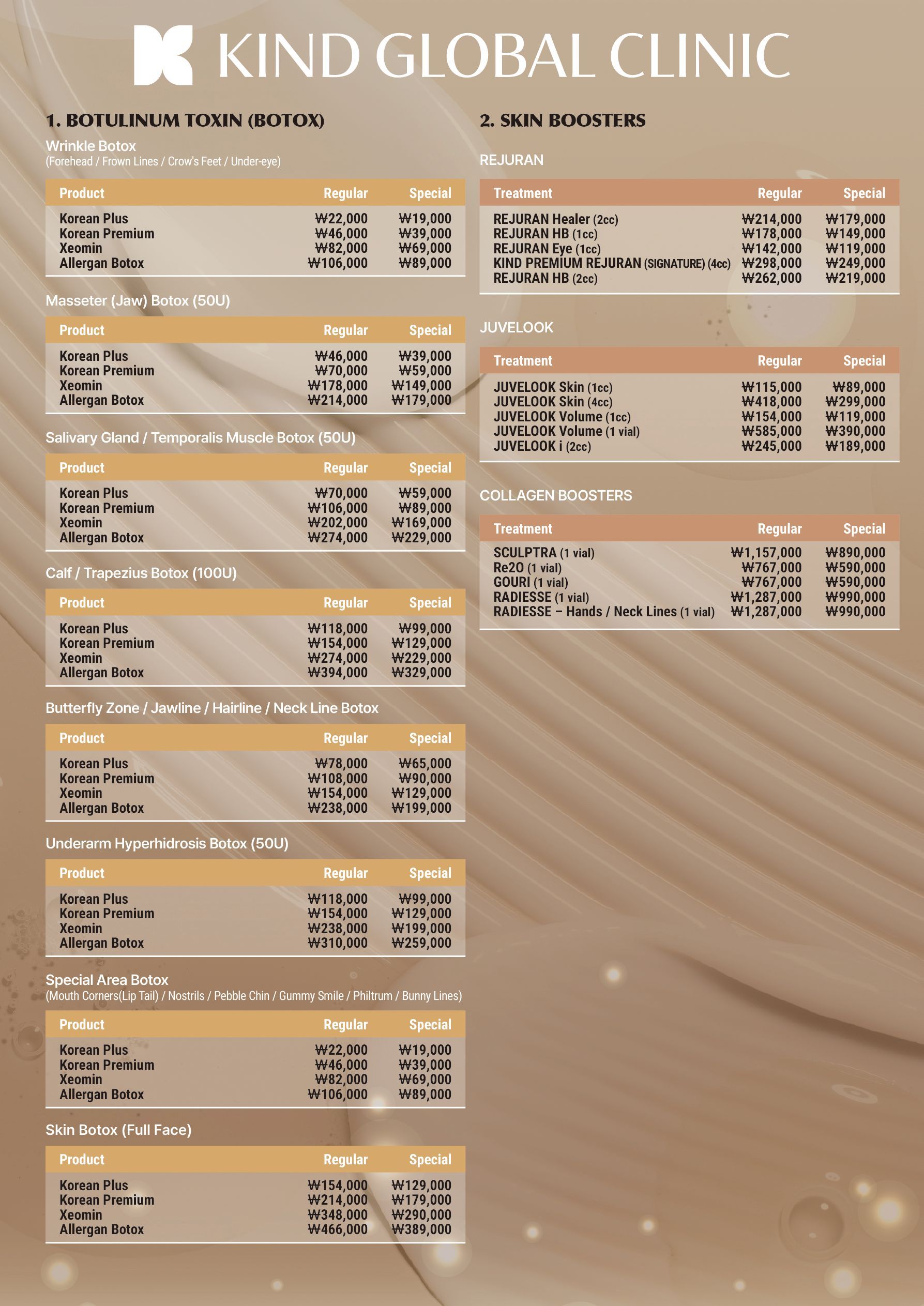
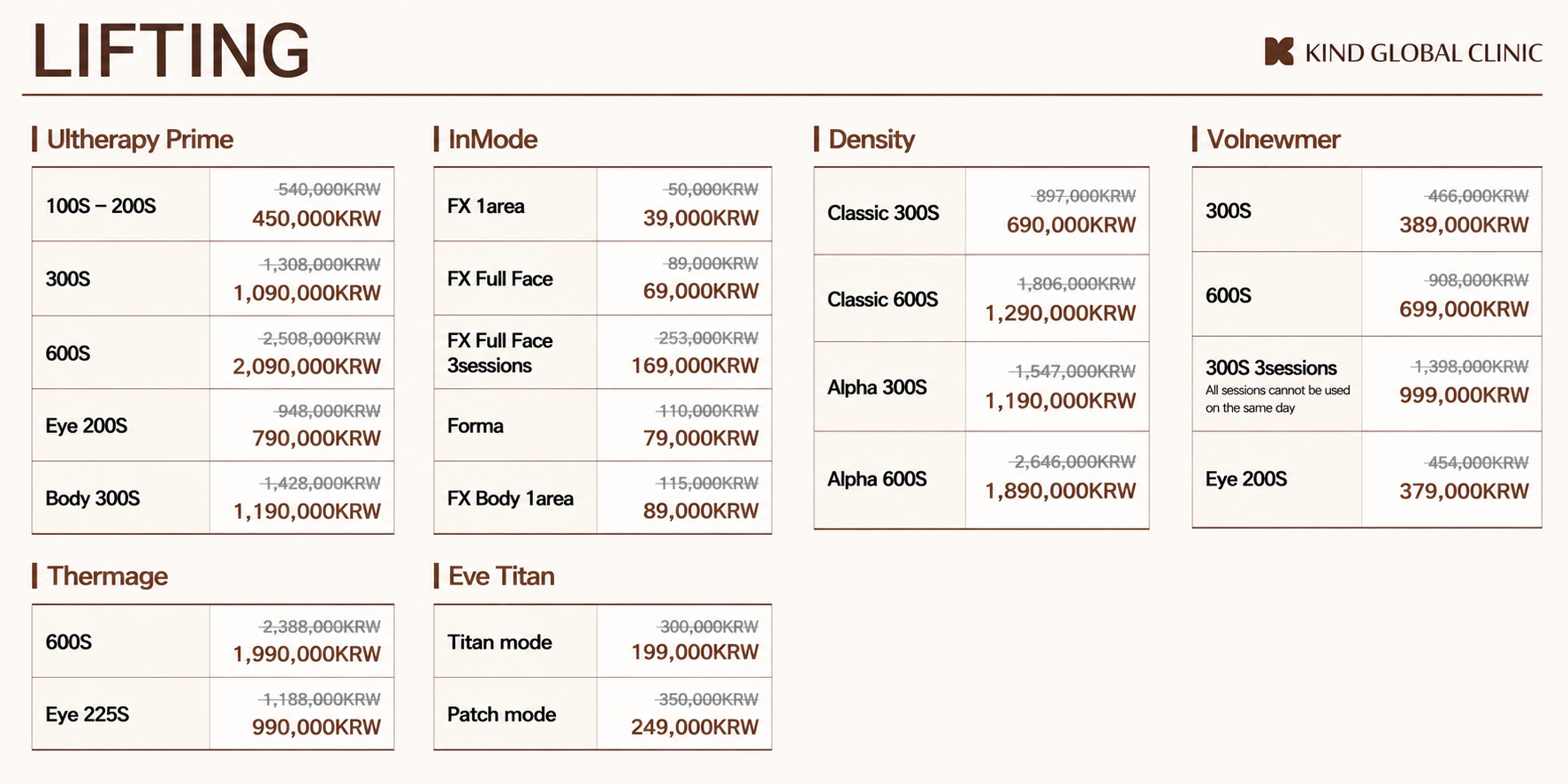
How Much Does Combination Therapy Cost in Korea?
There is no standard price.
The total cost depends on:
- Treatments selected
- Device used
- Product type
- Treatment area
- Number of sessions
- Physician expertise
- Clinic
- Additional services
Request an itemized quotation.
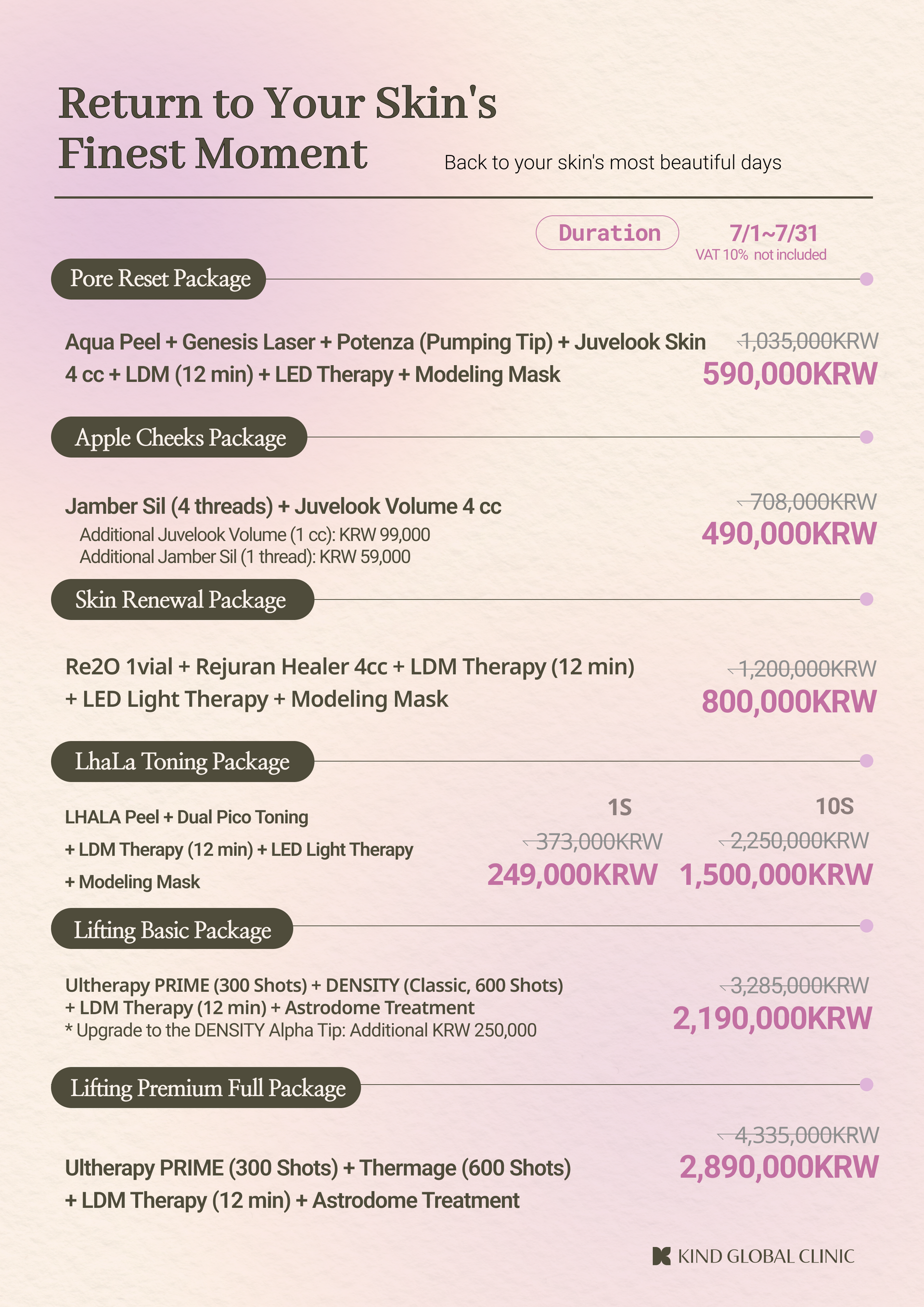
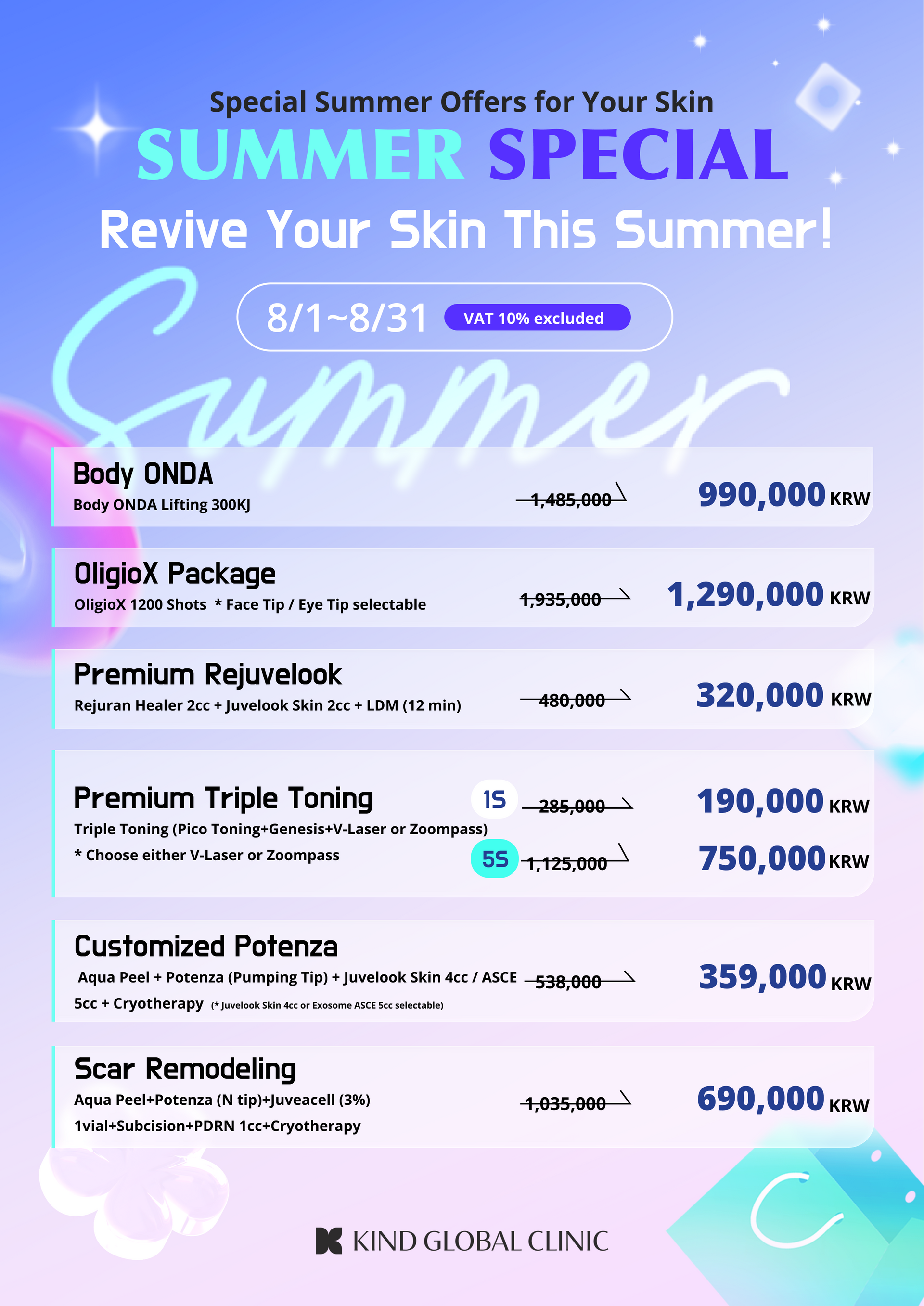
Why Combination Packages Differ Between Clinics
A "three-treatment package" at one clinic may contain completely different procedures or quantities from a package elsewhere.
Before comparing prices, ask:
- What device is being used?
- What product is being injected?
- How much product is included?
- Which areas are treated?
- How many sessions are included?
- Is consultation included?
- Is follow-up included?
Why Korea Is Popular for Combination Dermatology
South Korea has a highly developed aesthetic medicine market and a wide selection of cosmetic dermatology technologies.
Patients may find clinics offering:
- Laser procedures
- RF treatments
- Ultrasound treatments
- Botox
- Fillers
- Skin boosters
- Acne therapies
- Pigmentation treatments
This variety makes personalized combination therapy possible, but it also makes medical guidance important.
Choosing the Right Dermatology Clinic in Seoul
When choosing a clinic, look beyond treatment menus.
Prioritize medical assessment
The clinic should identify your concerns before recommending procedures.
Look for individualized planning
A good treatment plan should explain why each procedure is being recommended.
Ask about risks
You should understand potential complications and expected recovery.
Check product information
For injectable treatments, ask exactly what product will be used.
Ask about follow-up
International patients should understand what support is available after returning home.
Questions to Ask Before Combination Therapy
- Why do I need more than one treatment?
- What does each treatment target?
- Can the treatments be performed together?
- If not, how far apart should they be?
- What downtime should I expect?
- What are the potential risks?
- Which treatment should be prioritized?
- What products or devices will be used?
- How much will the complete plan cost?
- What happens if I develop a reaction after returning home?
Conclusion
Combination therapy can produce more comprehensive results because different treatments can target different aspects of skin aging and skin quality. Laser treatments may address selected pigmentation or texture concerns, RF procedures may support collagen remodeling, injectables may target wrinkles or volume, and skin boosters may focus on selected aspects of skin quality.
However, combination therapy should never mean simply adding more procedures. The most effective plan is one in which every treatment has a clear purpose and is performed at an appropriate intensity and interval.
For patients considering cosmetic dermatology in Korea, particularly international visitors, a personalized consultation is essential. A dermatologist can determine which concerns should be treated first, which procedures can be combined, and which treatments are better performed separately.
FAQs
Why can combination therapy produce better results?
Combination therapy can address different causes of a cosmetic concern. For example, one treatment may target pigmentation while another addresses texture, collagen support, or dynamic wrinkles.
Does combination therapy mean more treatments are always better?
No. More treatments can increase cost, irritation, downtime, and risk. The goal should be a medically appropriate combination rather than the largest possible treatment package.
What treatments are commonly combined in Korea?
Depending on the patient, combinations may include laser with skin boosters, RF microneedling with skin-quality treatments, Botox with laser, or fillers with skin boosters.
Can multiple cosmetic treatments be done on the same day?
Sometimes, but not always. Treatment intensity, injection areas, skin condition, and the specific procedures determine whether same-day treatment is appropriate.
Is combination therapy suitable for acne scars?
It can be particularly useful for acne scars because different scar types may respond to different procedures. A dermatologist may combine or stage treatments such as RF microneedling, fractional laser, subcision, or TCA CROSS.
Can combination therapy treat pigmentation?
It may help selected pigmentation concerns, but the underlying cause should first be identified. Some pigmentary conditions require a cautious approach to reduce the risk of worsening pigmentation.
Can international patients receive combination treatments in Seoul?
Yes, but patients should plan around consultation, recovery, and follow-up. A short trip may not be suitable for several intensive procedures.
How do I choose a combination treatment clinic in Korea?
Choose a clinic that provides medical assessment, explains why each treatment is needed, uses appropriate products and devices, discusses risks realistically, and provides clear aftercare instructions.