Fillers + Skin Boosters for Better Skin Quality in Korea
Introduction
Facial fillers and skin boosters are both popular in Korean cosmetic dermatology, but they are designed to solve different problems. Fillers are primarily used to restore or add volume and can help improve selected facial contours, while skin boosters are generally intended to improve aspects of skin quality such as hydration, texture, and fine lines.
Because aging often involves both structural changes and changes in skin quality, some patients may benefit from a carefully planned combination. However, combining injectable treatments does not automatically produce better results. The correct products, injection areas, treatment sequence, and amount should be determined according to the patient's anatomy and goals.
For international patients considering aesthetic treatments in Korea, understanding the difference between fillers and skin boosters is particularly important. A good treatment plan should focus on what the skin and facial structure actually need rather than simply adding more procedures.
What Are Dermal Fillers?
Dermal fillers are injectable products used to restore or add volume in specific areas.
Many modern fillers are based on hyaluronic acid, although other materials and formulations are also available.
Fillers may be used for
- Cheek volume
- Chin projection
- Lip enhancement
- Facial contouring
- Selected nasolabial folds
- Hollow areas
- Volume loss associated with aging
The purpose depends on the product and treatment area.
What Are Skin Boosters?
Skin boosters are a broad category of injectable treatments designed primarily to improve skin quality rather than create substantial facial volume.
Depending on the product, they may target:
- Hydration
- Fine lines
- Texture
- Elasticity
- Dull-looking skin
- Overall skin quality
Different skin boosters contain different ingredients and have different indications.
The Main Difference Between Fillers and Skin Boosters
The simplest distinction is:
Fillers primarily address volume and structure.
Skin boosters primarily address skin quality.
However, the categories can overlap depending on the specific product.
FeatureDermal FillersSkin BoostersMain purposeVolume and contourSkin qualityCommon goalsShape, projection, volumeHydration, texture, fine linesFacial structureCan alter or restoreUsually limited structural effectInjection depthDepends on treatmentDepends on productBest forSelected volume concernsSelected skin-quality concerns
Why Combine Fillers and Skin Boosters?
Facial aging is not caused by only one factor.
A person may experience:
- Volume loss
- Dehydration
- Fine lines
- Reduced elasticity
- Texture changes
A filler may address structural volume loss, while a skin booster may target skin quality.
This can create a more comprehensive treatment strategy.
Why Skin Quality Matters After Filler
Adding volume does not automatically make the overlying skin look healthier.
A patient may have improved facial contours but still have:
- Dryness
- Fine lines
- Rough texture
- Dullness
In such cases, a skin-quality treatment may address concerns that filler cannot.
Can Skin Boosters Replace Fillers?
Usually, no.
If a patient has significant structural volume loss, a skin booster is not necessarily a substitute for a volumizing filler.
For example, if the main concern is loss of cheek projection, a treatment designed primarily for hydration may not provide the desired structural change.
Can Fillers Replace Skin Boosters?
Not necessarily.
Filler may improve contour or volume while having limited effect on generalized skin hydration or texture.
The correct treatment depends on the primary concern.
Common Areas for Fillers
Cheeks
Fillers may be used to restore selected areas of volume or improve contour.
Chin
Treatment may be considered for projection and facial balance.
Lips
Fillers can increase volume or refine shape when appropriately performed.
Temples
Selected patients with temporal hollowing may be considered for treatment.
However, some facial areas carry important anatomical risks and require experienced medical injectors.
Common Areas for Skin Boosters
Skin boosters may be used in areas such as:
- Cheeks
- Lower face
- Around selected fine lines
- Neck
- Décolletage
- Other areas depending on the product
The exact injection technique depends on the formulation.
What Does a Filler Treatment Involve?
A consultation is performed first to assess:
- Facial anatomy
- Volume loss
- Proportions
- Skin condition
- Desired outcome
The filler is then injected into selected areas using an appropriate technique.
The treatment should be conservative enough to maintain facial balance.
What Does a Skin Booster Treatment Involve?
Skin boosters are generally delivered through multiple small injections.
Temporary effects may include
- Small bumps
- Redness
- Swelling
- Bruising
- Tenderness
These effects usually improve during recovery, although the exact duration varies.
Can Fillers and Skin Boosters Be Done on the Same Day?
Sometimes, but not every patient should receive both treatments during one appointment.
The dermatologist may consider:
- Injection locations
- Product type
- Amount of filler
- Skin sensitivity
- Medical history
- Previous injectable treatments
- Recovery requirements
Some treatment plans may separate the procedures.
Which Treatment Should Come First?
There is no universal sequence.
In some cases, structural correction may be planned first so the skin-quality treatment can be evaluated afterward.
In other cases, treatments may be scheduled separately according to product characteristics and recovery considerations.
Your injector should determine the appropriate sequence.
Why Facial Anatomy Is Important
Injectable treatment is not simply about placing a product into an area that appears hollow or wrinkled.
The injector should understand:
- Blood vessels
- Nerves
- Muscles
- Fat compartments
- Facial proportions
- Skin thickness
Certain areas of the face carry higher risks of vascular complications, which is why medical expertise matters.
Natural-Looking Filler Results
Korean cosmetic dermatology increasingly emphasizes subtle refinement.
Natural-looking filler treatment may focus on:
- Restoring lost volume
- Improving balance
- Preserving facial movement
- Avoiding excessive projection
- Maintaining individual facial identity
More filler does not necessarily mean a better result.
What Does "Better Skin Quality" Mean?
Skin quality can involve several characteristics.
These include
- Hydration
- Texture
- Elasticity
- Smoothness
- Fine lines
- Radiance
- Overall skin appearance
A patient may have excellent facial proportions but still have concerns about skin quality.
Skin Boosters for Dehydrated Skin
Dehydrated skin can make fine lines more visible.
Depending on the product, a skin booster may be used to improve hydration and create a smoother-looking appearance.
However, injectable hydration treatments should complement—not replace—a consistent skincare routine.
Skin Boosters for Fine Lines
Some fine lines are associated with dehydration and reduced skin elasticity.
Skin-quality treatments may improve their appearance in selected patients.
However, dynamic wrinkles caused by muscle activity may be better addressed through other treatments, such as Botox.
Skin Boosters for Texture
Texture can be influenced by:
- Aging
- Acne
- Sun exposure
- Dehydration
- Enlarged pores
- Reduced collagen
A skin booster may help selected aspects of texture, but significant acne scars may require more targeted procedures.
When Fillers and Skin Boosters May Not Be Enough
Some concerns require different treatments.
For example
Significant acne scars: May require scar-specific procedures.
Severe skin laxity: May require energy-based treatment or surgical assessment.
Strong pigmentation: May require a pigmentation-focused strategy.
Dynamic wrinkles: May respond better to muscle-relaxing treatment.
A combination plan should be based on diagnosis rather than marketing packages.
Who May Be a Candidate?
Patients may be considered for combination treatment when they have both structural and skin-quality concerns.
Examples include
- Mild age-related volume loss plus dehydration
- Cheek volume loss plus fine lines
- Facial contour concerns plus uneven texture
- Lip volume changes plus dry-looking skin
A medical consultation is required before treatment.
Who May Need to Avoid or Delay Treatment?
Injectable procedures may need to be postponed in certain situations.
Examples can include
- Active infection
- Significant skin inflammation
- Open wounds
- Certain medical conditions
- Relevant allergies
- Recent procedures
- Certain medications or medical circumstances
Your medical history should be reviewed before treatment.
Preparation Before Treatment
Before receiving fillers or skin boosters, tell your provider about:
- Current medications
- Previous injectable treatments
- Allergies
- Medical conditions
- History of unusual reactions
- Recent dental procedures
- Recent cosmetic treatments
Do not stop prescribed medication without medical advice.
Recovery After Fillers
Temporary swelling and bruising are possible.
Depending on the treatment area, you may experience
- Swelling
- Tenderness
- Bruising
- Redness
- Temporary asymmetry caused by swelling
Your clinic should explain what is expected and what requires medical review.
Recovery After Skin Boosters
Skin boosters commonly produce small injection-related effects.
These can include
- Tiny bumps
- Redness
- Swelling
- Bruising
- Tenderness
The recovery period varies by product and injection technique.
Important Filler Safety Considerations
Although fillers are commonly performed, they are medical procedures and carry risks.
Rare but serious complications can occur, including vascular occlusion.
Patients should choose an appropriately qualified medical injector who understands facial anatomy and has a clear emergency-management protocol.
Why Product Authenticity Matters
Patients should know what product is being injected.
Ask about:
- Product name
- Manufacturer
- Intended use
- Expiration information
- Amount being used
Avoid assuming that every product marketed under a similar treatment name is identical.
Can Fillers and Skin Boosters Be Combined With Botox?
They can sometimes be incorporated into a broader aesthetic plan.
For example:
- Filler may address volume.
- Skin booster may address hydration and texture.
- Botox may address dynamic muscle-related wrinkles.
However, adding multiple injectables increases treatment complexity and should be medically justified.
Planning Combination Treatment Before an Event
If you are preparing for:
- A wedding
- Photoshoot
- Vacation
- Business event
- Celebration
plan treatment well in advance.
Unexpected bruising or swelling can occur even when the procedure is performed correctly.
International Patients in Korea
Medical tourists should allow time for consultation and recovery.
Do not plan to receive multiple injectable treatments immediately before flying home without discussing the schedule with your provider.
A practical plan may include
- Consultation
- Facial assessment
- Treatment selection
- Appropriate spacing
- Recovery
- Follow-up if needed
- Travel
Can You Sightsee After Injectable Treatments?
Light activities may be possible depending on the treatment, but patients may be advised to avoid excessive heat, strenuous exercise, or prolonged sun exposure during the early recovery period.
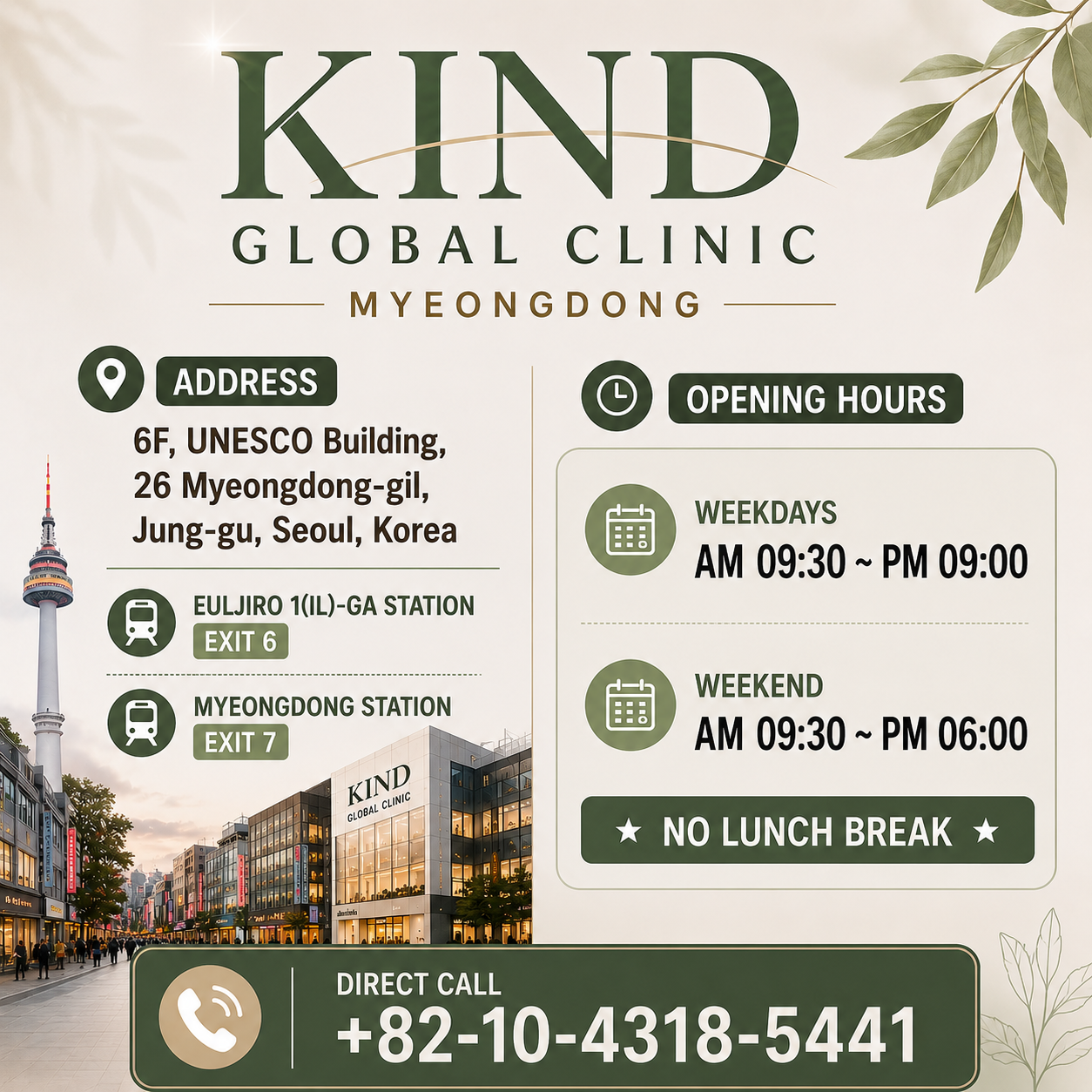
If you plan to explore Seoul or shop in Myeongdong, ask your clinic what activities are appropriate.
Why Seoul Is Popular for Injectable Skin Treatments
Seoul has a large cosmetic dermatology market and offers a wide range of injectable and non-invasive treatment options.
Patients can find clinics specializing in:
- Dermal fillers
- Skin boosters
- Botox
- Laser treatments
- Ultrasound procedures
- Radiofrequency treatments
- Acne and pigmentation management
Technology and treatment availability should still be paired with qualified medical care.
Choosing a Clinic in Korea
When choosing a clinic, look for:
Qualified medical supervision
Injectable treatments should be performed by appropriately trained medical professionals.
Individualized treatment
The clinic should evaluate your face and skin rather than automatically recommending a package.
Transparent communication
You should understand:
- What is being injected
- Why it is being used
- How much is being used
- Potential risks
- Recovery expectations
- Total cost
Emergency preparedness
Ask how the clinic handles complications associated with injectable treatments.
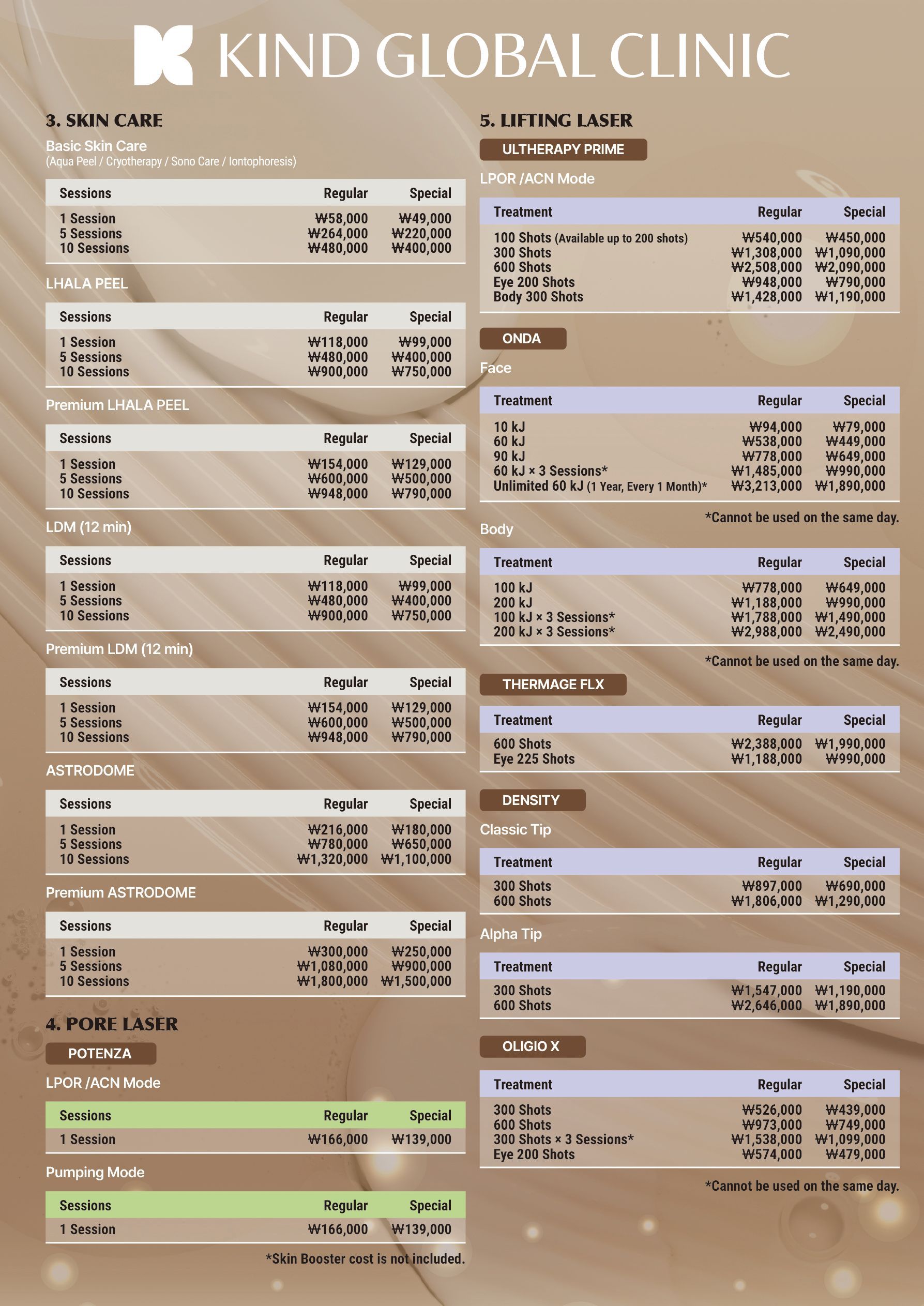
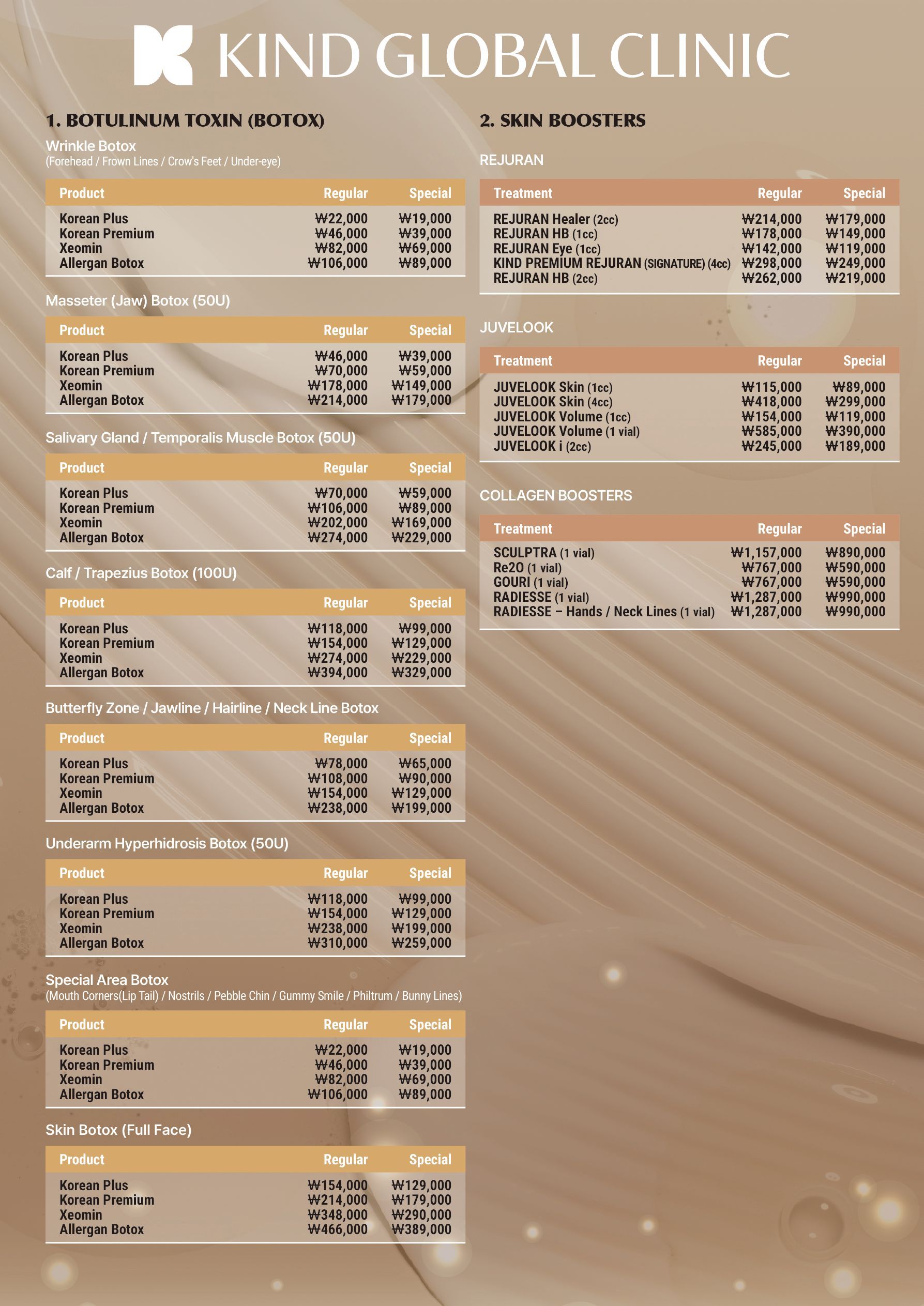
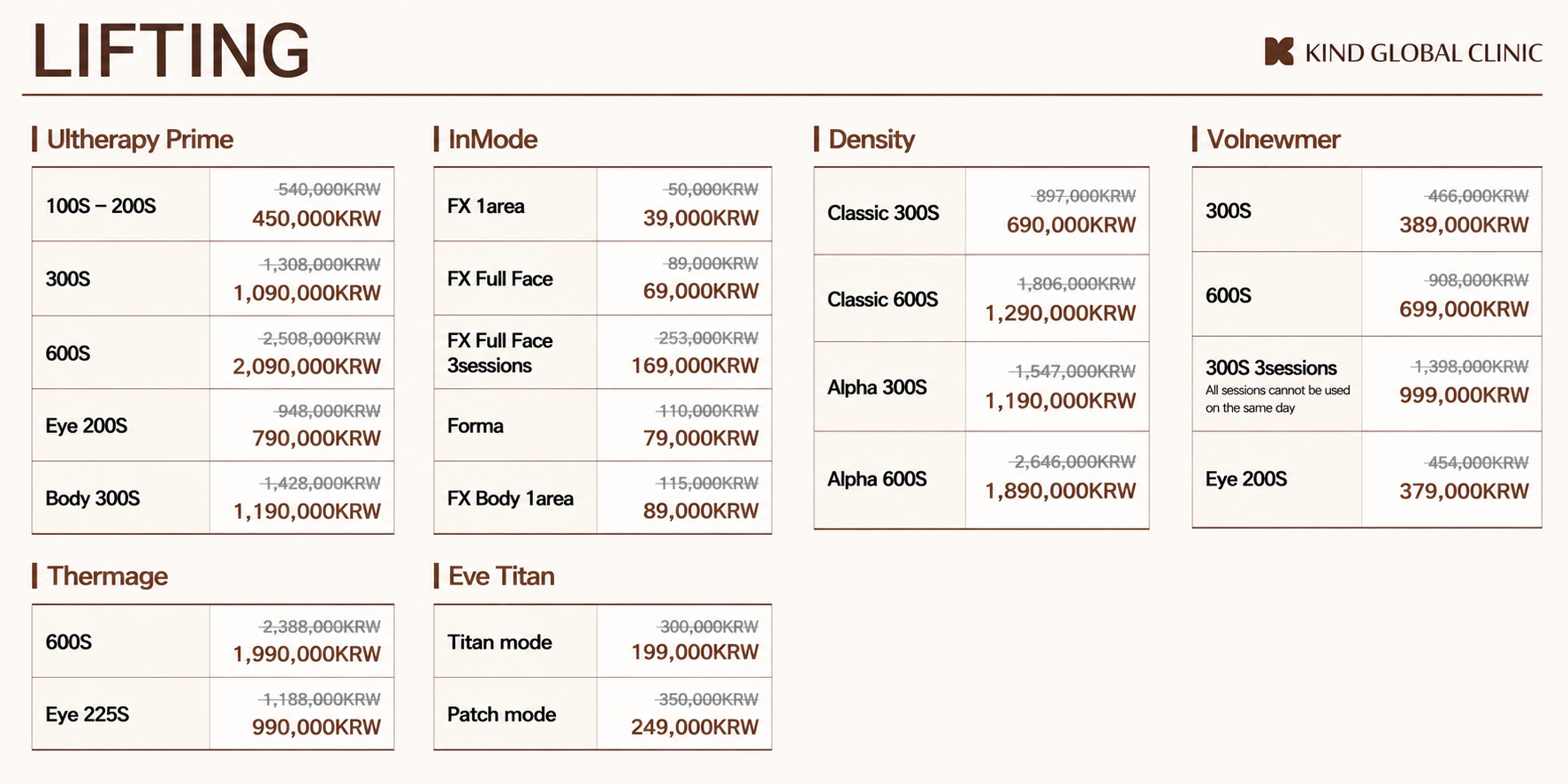
How Much Do Fillers + Skin Boosters Cost in Korea?
There is no standard combination price.
Costs can vary according to:
- Filler brand
- Filler volume
- Treatment area
- Skin booster type
- Amount administered
- Number of sessions
- Doctor experience
- Clinic location
- Additional treatments
Request an itemized quote before proceeding.
Why Comparing Prices Can Be Difficult
A low-cost package may contain:
- Less product
- Different product types
- Fewer treatment areas
- Different injection techniques
- Limited follow-up
Compare what is actually included rather than focusing only on the advertised headline price.
Questions to Ask Before Treatment
- Do I actually need both treatments?
- What is the main goal of the filler?
- What is the goal of the skin booster?
- Which products will be used?
- How much product will be injected?
- Who will perform the procedure?
- Can the treatments be performed during the same appointment?
- What are the risks?
- What should I avoid after treatment?
- What follow-up support is available?
Conclusion
Fillers and skin boosters can complement each other when a patient has both structural and skin-quality concerns. Fillers primarily address volume and contour, while skin boosters generally focus on hydration, texture, fine lines, and overall skin quality.
The combination should not be treated as a standard package that everyone needs. A thoughtful plan begins with facial and skin assessment, followed by selection of only the treatments that address meaningful concerns.
For patients considering injectable treatments in Korea, the priority should be qualified medical care, authentic products, realistic expectations, and appropriate treatment planning. The goal should be balanced improvement—not simply adding more procedures.
FAQs
What is the difference between fillers and skin boosters?
Fillers are primarily designed to restore or add facial volume and improve contour, while skin boosters generally aim to improve selected aspects of skin quality such as hydration, texture, and fine lines.
Can fillers and skin boosters be done together?
They can sometimes be combined, but the decision depends on the products, injection areas, facial anatomy, medical history, and treatment goals.
Which comes first, filler or skin booster?
There is no universal sequence. Your injector should determine the appropriate order based on the specific products, treatment areas, and desired outcome.
Do skin boosters add facial volume like fillers?
Most skin boosters are designed primarily for skin quality rather than significant structural volume. However, product characteristics differ, so patients should ask what effect their specific product is intended to provide.
Can skin boosters improve fine lines?
Some skin boosters may improve the appearance of fine lines associated with hydration and skin-quality changes. Results vary depending on the product and individual skin condition.
Are fillers safe?
Fillers are medical procedures with potential risks. Although serious complications are uncommon, vascular complications can occur, making qualified medical injection and appropriate emergency preparedness important.
How long does recovery take after fillers and skin boosters?
Both can cause temporary swelling, redness, tenderness, or bruising. Recovery varies according to the product, treatment area, injection technique, and individual response.
Can international patients get fillers and skin boosters in Korea?
Yes, international patients can seek injectable treatments in Korea, but they should allow adequate time for consultation, recovery, and follow-up before returning home.