Why Foundation Settles Into Pores in Seoul
Introduction
Foundation is supposed to create a smoother, more even-looking complexion, but sometimes it does the opposite. Instead of looking seamless, it settles into pores, emphasizes texture, and makes the skin look older or more uneven.
This problem becomes more common when the skin's hydration, elasticity, oil balance, or surface texture changes. Aging can contribute, but enlarged-looking pores, acne scars, dehydration, excessive oil production, and inappropriate skincare can also play a role.
If your foundation has recently started looking different, the answer may not be a new makeup product. Improving the condition of the skin underneath can often make a bigger difference. In Seoul, cosmetic dermatology offers several approaches for addressing pore appearance, texture, pigmentation, and early skin aging.
Why Does Foundation Settle Into Pores?
Foundation does not literally make pores larger. Instead, it can collect around the openings of pores and make them more visible.
Several factors may contribute.
Common causes include
- Enlarged-looking pores
- Excess sebum
- Dehydration
- Reduced skin elasticity
- Uneven texture
- Acne scars
- Thick makeup application
- Excessive powder
- Poor skin preparation
The underlying cause matters when deciding how to improve the appearance.
How Aging Affects Pore Appearance
Pores can become more noticeable with age.
As collagen and elastin gradually change, the surrounding skin may lose some of its firmness.
This can make pores appear:
- Wider
- Deeper
- More irregular
- More visible under makeup
However, age is only one factor.
The Role of Excess Oil
Sebum can contribute to visible pores.
When oil mixes with makeup, foundation may separate or gather around pores.
This can make the complexion appear uneven, especially later in the day.
If your skin is oily, using more powder may seem like the obvious solution, but excessive powder can sometimes emphasize texture.
Dehydrated Skin Can Also Show Pores
It may seem contradictory, but oily and dehydrated skin can exist at the same time.
Dehydration can make the skin surface appear rougher, while oil remains present.
This combination can make makeup look less smooth.
Acne and Enlarged-Looking Pores
People with a history of acne may notice more visible pores and uneven texture.
Previous inflammation can affect the skin surface and leave:
- Enlarged-looking pores
- Post-acne marks
- Depressed scars
- Uneven texture
Treating active acne and treating acne scars are different processes.
Acne Scars and Foundation
Depressed acne scars can create small changes in the skin's surface.
Foundation may settle into these areas and create shadows.
This is why simply applying more coverage may not solve the problem.
Texture-focused dermatology may be more appropriate when scarring is the main concern.
Why Foundation Looks Worse Under Certain Lighting
Strong lighting can exaggerate texture.
You may notice pores more clearly under:
- Bathroom lighting
- Airport lighting
- Flash photography
- Overhead lighting
- High-resolution cameras
This does not necessarily mean your skin suddenly became worse.
Why Makeup Technique Matters
Even healthy skin can look textured if makeup is applied too heavily.
Try these approaches
- Use a suitable moisturizer.
- Allow skincare to absorb.
- Apply a thin foundation layer.
- Build coverage only where needed.
- Avoid excessive powder.
- Remove makeup thoroughly at night.
Less makeup can sometimes produce a smoother appearance.
The Importance of Skin Preparation
A smooth makeup application begins before foundation.
A simple routine can include
- Gentle cleansing
- Hydrating skincare
- Moisturizer
- Sunscreen during the day
If your skin is irritated, adding more products may make the situation worse.
Can Skincare Reduce the Appearance of Pores?
Skincare cannot permanently erase pores because pores are a normal part of skin anatomy.
However, appropriate skincare can make them appear less prominent.
Depending on individual needs, a dermatologist may recommend:
- Retinoids
- Niacinamide
- Salicylic acid
- Vitamin C
- Moisturizers
- Sunscreen
Not every ingredient should be used together.
Why Sunscreen Matters for Pores
Long-term UV exposure contributes to collagen breakdown and loss of elasticity.
This can indirectly make pores appear more visible.
Daily broad-spectrum sunscreen is therefore important for maintaining skin structure over time.
Pico Laser for Skin Tone and Texture
Pico laser may be considered for selected pigmentation and skin-quality concerns.
If uneven pigmentation contributes to an irregular complexion, appropriate laser treatment may be part of a broader plan.
It is not a universal treatment for enlarged pores.
RF Microneedling for Enlarged-Looking Pores
RF microneedling is commonly considered for selected patients with:
- Enlarged-looking pores
- Acne scars
- Uneven texture
- Fine lines
- Mild skin laxity
The treatment combines microneedling with radiofrequency energy.
Temporary redness and sensitivity may occur, so recovery time should be considered.
Chemical Peels and Texture
Certain professional chemical peels may help selected patients with:
- Uneven texture
- Acne
- Excess oil
- Some pigmentation concerns
The appropriate peel depends on skin type and treatment goals.
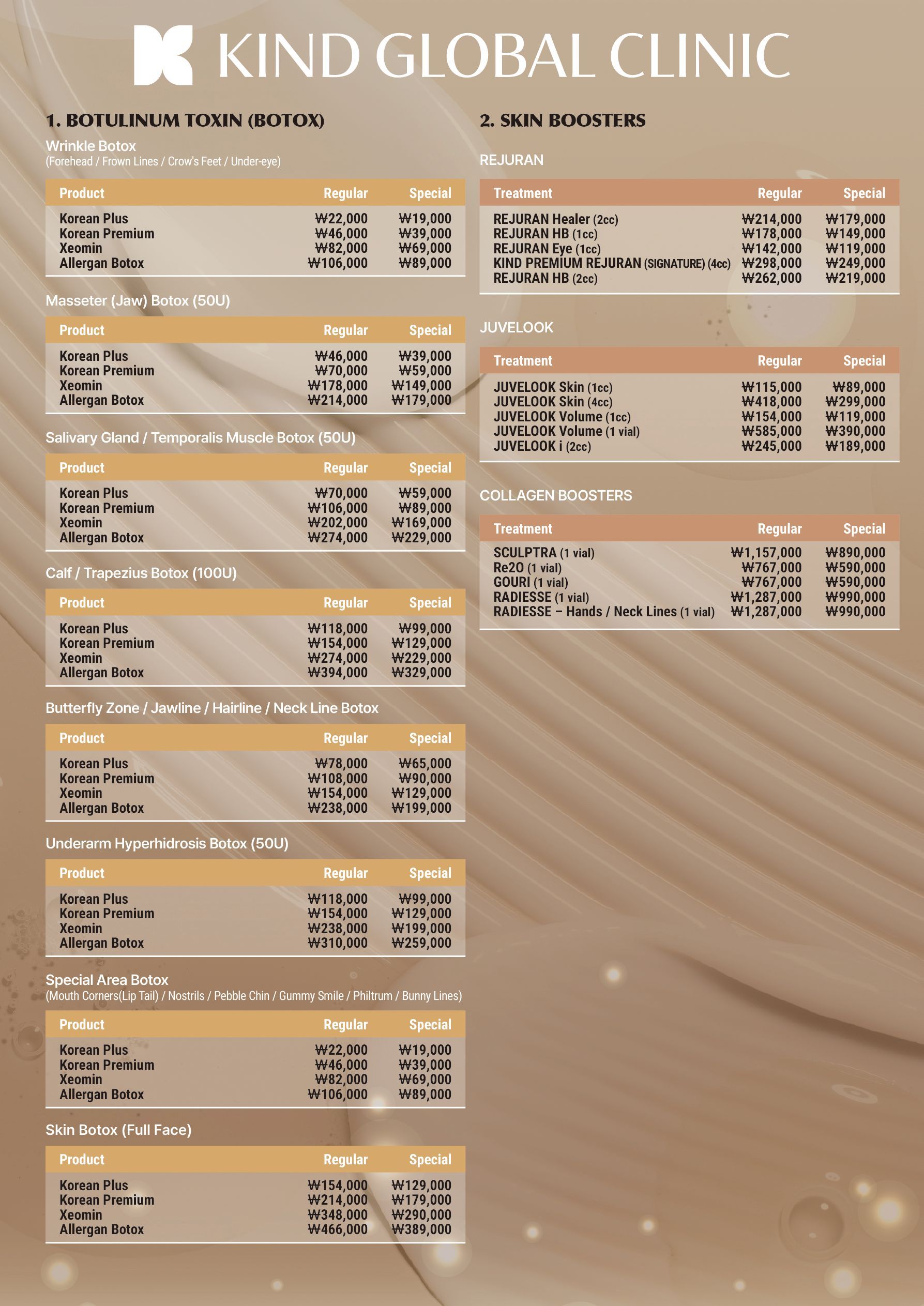
Skin Boosters and Pore Appearance
Skin boosters are generally intended to improve selected aspects of skin quality rather than physically close pores.
They may be considered when dehydration, fine lines, or overall skin quality contribute to an uneven appearance.
Can Botox Reduce Pores?
Botox is not a primary pore treatment.
It primarily affects muscle activity and may be used for selected dynamic wrinkles or other specific indications.
It should not be promoted as a universal solution for visible pores.
Why Combination Treatment May Be Recommended
Visible pores may have multiple causes.
For example, one person may have:
- Excess sebum
- Dehydration
- Mild collagen loss
- Acne scars
A dermatologist may recommend a combination of skincare and procedures rather than relying on one treatment.
Who Is a Good Candidate for Professional Pore Treatment?
You may benefit from assessment if:
- Pores are persistently prominent
- Acne scars affect texture
- Skincare has not helped enough
- Oiliness is difficult to control
- Texture changes are becoming more noticeable
- You want professional treatment options
The goal should be improvement rather than eliminating pores completely.
What to Expect From a Dermatology Consultation
A dermatologist may evaluate:
- Sebum production
- Skin hydration
- Texture
- Acne
- Pigmentation
- Elasticity
- Previous treatment history
This helps determine whether your main concern is actually pores or another skin-quality issue.
How to Avoid Making Pores Look Worse
Do not over-exfoliate
Excessive exfoliation can irritate the skin barrier.
Do not squeeze pores
Picking can cause inflammation and potentially worsen marks.
Do not rely only on powder
Heavy powder may emphasize texture.
Do not skip moisturizer
Dehydrated skin can look rougher.
Do not skip sunscreen
UV exposure can accelerate structural changes in the skin.
A Simple Morning Routine
- Gentle cleanser
- Appropriate serum if needed
- Moisturizer
- Sunscreen
- Makeup
A Simple Evening Routine
- Remove makeup
- Gentle cleansing
- Dermatologist-recommended treatment product
- Moisturizer
Keep your routine consistent rather than constantly switching products.
Tips for International Patients Visiting Seoul
If you are visiting Seoul for cosmetic dermatology, tell your clinic about your travel schedule.
Discuss
- Arrival date
- Departure date
- Photoshoots
- Outdoor activities
- Previous treatments
- Current skincare
- Desired recovery time
This helps determine which procedures can reasonably be performed during your trip.
Can You Shop in Myeongdong After Pore Treatment?
That depends on the procedure.
Some treatments may permit light activities, while others require avoiding:
- Heat
- Sun exposure
- Sweating
- Heavy exercise
- Prolonged outdoor activity
Follow your clinic's specific aftercare instructions.
Choosing a Dermatology Clinic in Seoul
A reliable clinic should:
- Evaluate your skin individually
- Explain realistic outcomes
- Discuss treatment alternatives
- Explain downtime
- Discuss potential risks
- Provide aftercare guidance
Avoid choosing a treatment solely because it is trending on social media.
Common Mistakes When Treating Visible Pores
Trying to eliminate pores completely
Pores are normal anatomical structures.
Using harsh scrubs
Aggressive physical exfoliation can irritate the skin.
Using too many acids
Multiple exfoliating products can compromise the skin barrier.
Expecting one procedure to permanently solve the problem
Pore appearance can be influenced by multiple factors.
Ignoring acne
Ongoing inflammation can continue to affect skin texture.
What Is a Realistic Goal?
The goal is not poreless skin.
A more realistic objective is:
- More even texture
- Better hydration
- Controlled oiliness
- Improved skin firmness
- Less noticeable pores
- Smoother makeup application
Natural skin will always have pores.
Conclusion
If foundation has started settling into your pores, the problem may reflect changes in the skin rather than a failure of your makeup. Dehydration, excess oil, collagen changes, acne scars, uneven texture, and makeup application can all contribute to visible pores.
Start with appropriate skincare, hydration, sunscreen, and a lighter makeup approach. If the concern persists, a dermatologist can determine whether professional options such as RF microneedling, selected laser treatments, chemical peels, medical skincare, or other procedures are appropriate.
In Seoul, the emphasis on individualized cosmetic dermatology can help patients address the specific factors contributing to visible pores rather than simply covering them with heavier foundation.
FAQs
Why does foundation settle into my pores?
Foundation can collect around pore openings and emphasize them when the skin has excess oil, dehydration, reduced elasticity, or uneven texture.
Can aging make pores look larger?
Yes. Changes in collagen and skin elasticity can make pores appear more prominent, although genetics, oil production, acne, and sun exposure also influence pore appearance.
Can moisturizer make foundation look smoother?
Appropriate moisturization can help reduce dryness and roughness, which may allow foundation to sit more evenly.
Can RF microneedling help enlarged-looking pores?
RF microneedling may improve selected cases of enlarged-looking pores and uneven texture by addressing aspects of skin structure and texture.
Can laser treatment remove pores?
Laser treatment cannot remove pores. Certain laser procedures may improve pigmentation or texture and potentially make pores appear less noticeable.
Can skincare permanently shrink pores?
Pores cannot be permanently eliminated. Appropriate skincare may reduce oiliness, improve texture, and make pores appear less prominent.
Should I use more foundation to hide large pores?
Usually not. Heavy foundation can emphasize texture. Thin layers and targeted coverage may create a more natural finish.
When should I see a dermatologist for visible pores?
Consider professional assessment if visible pores are persistent, associated with acne or scarring, or not improving with an appropriate skincare routine.