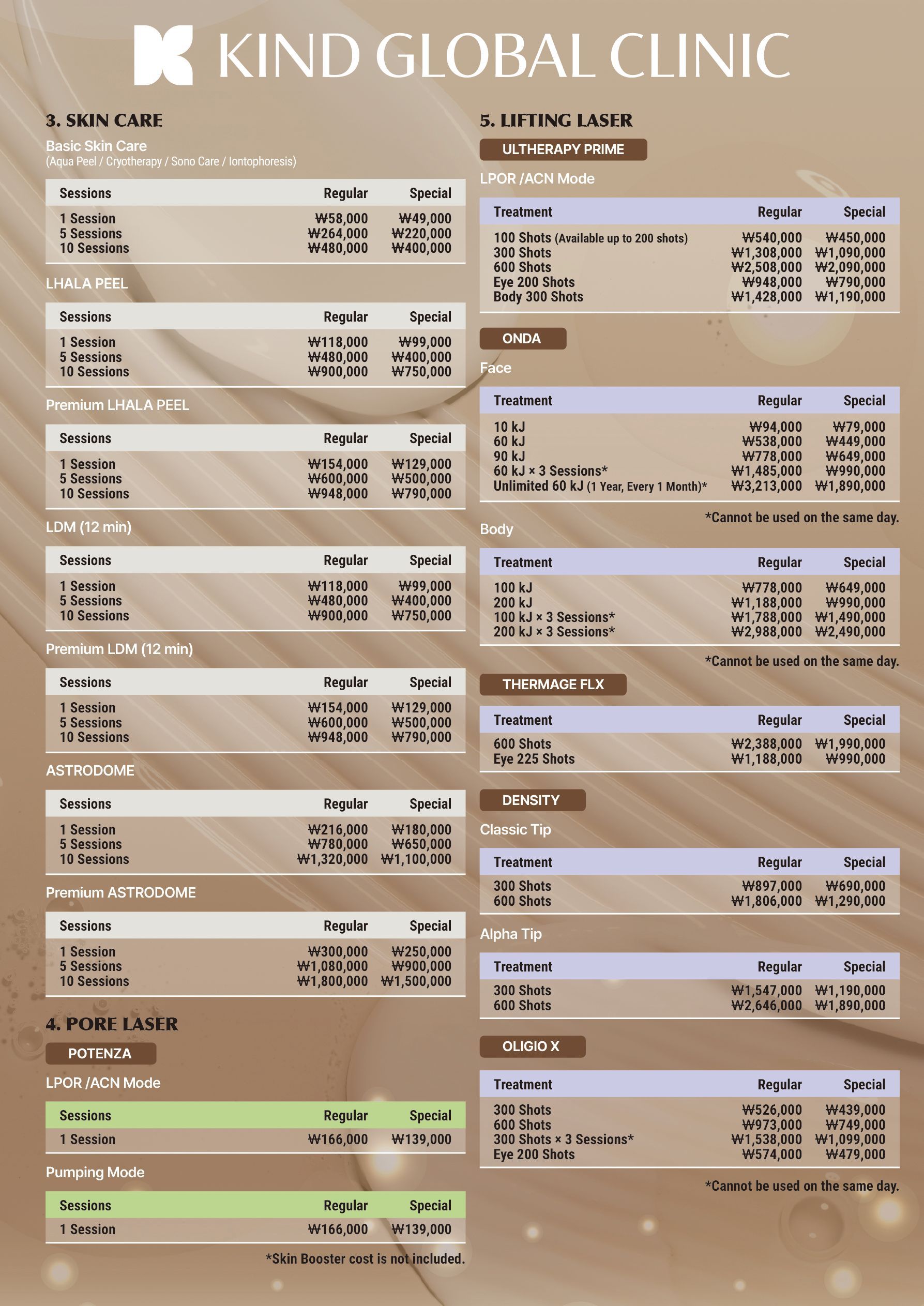
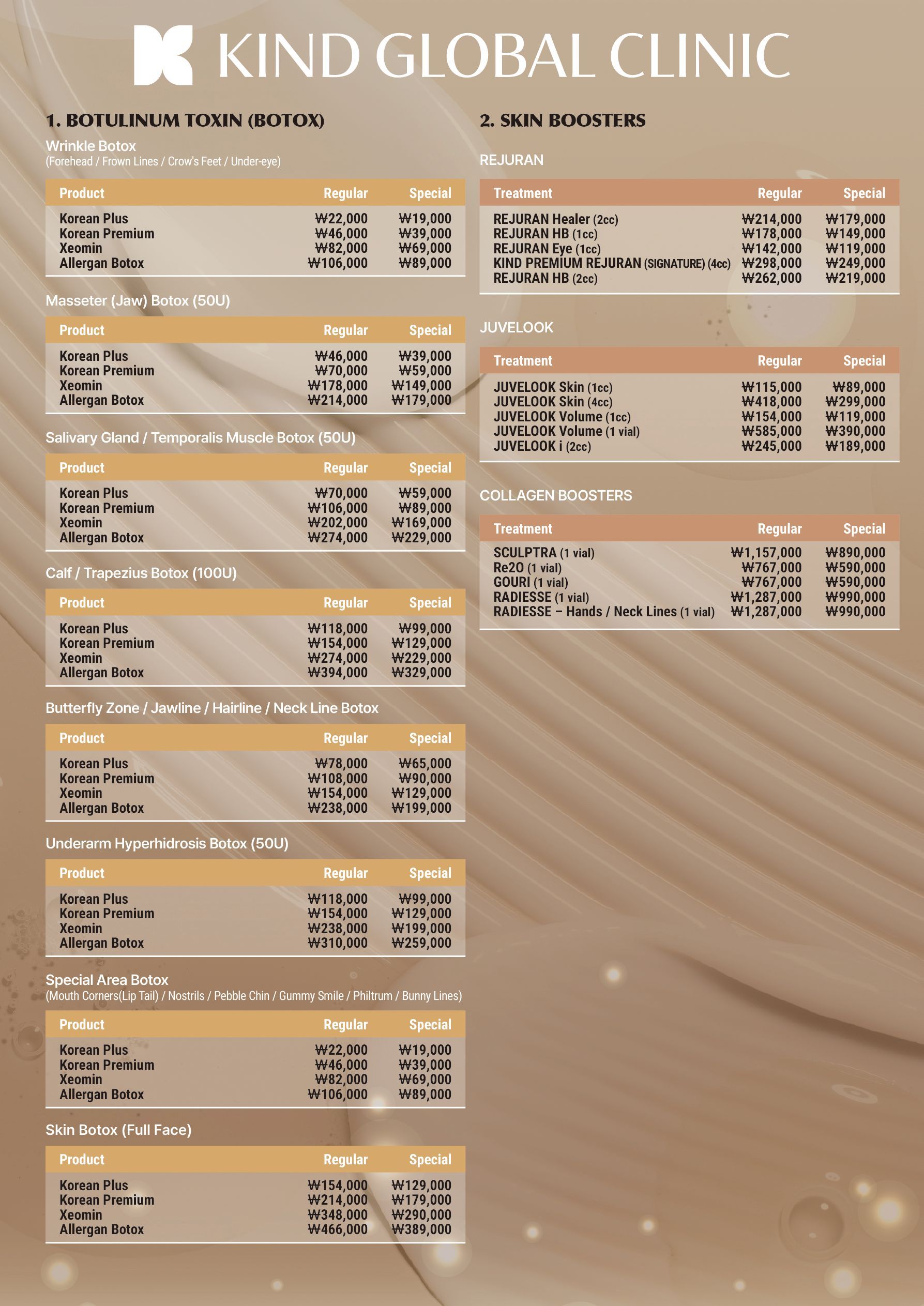
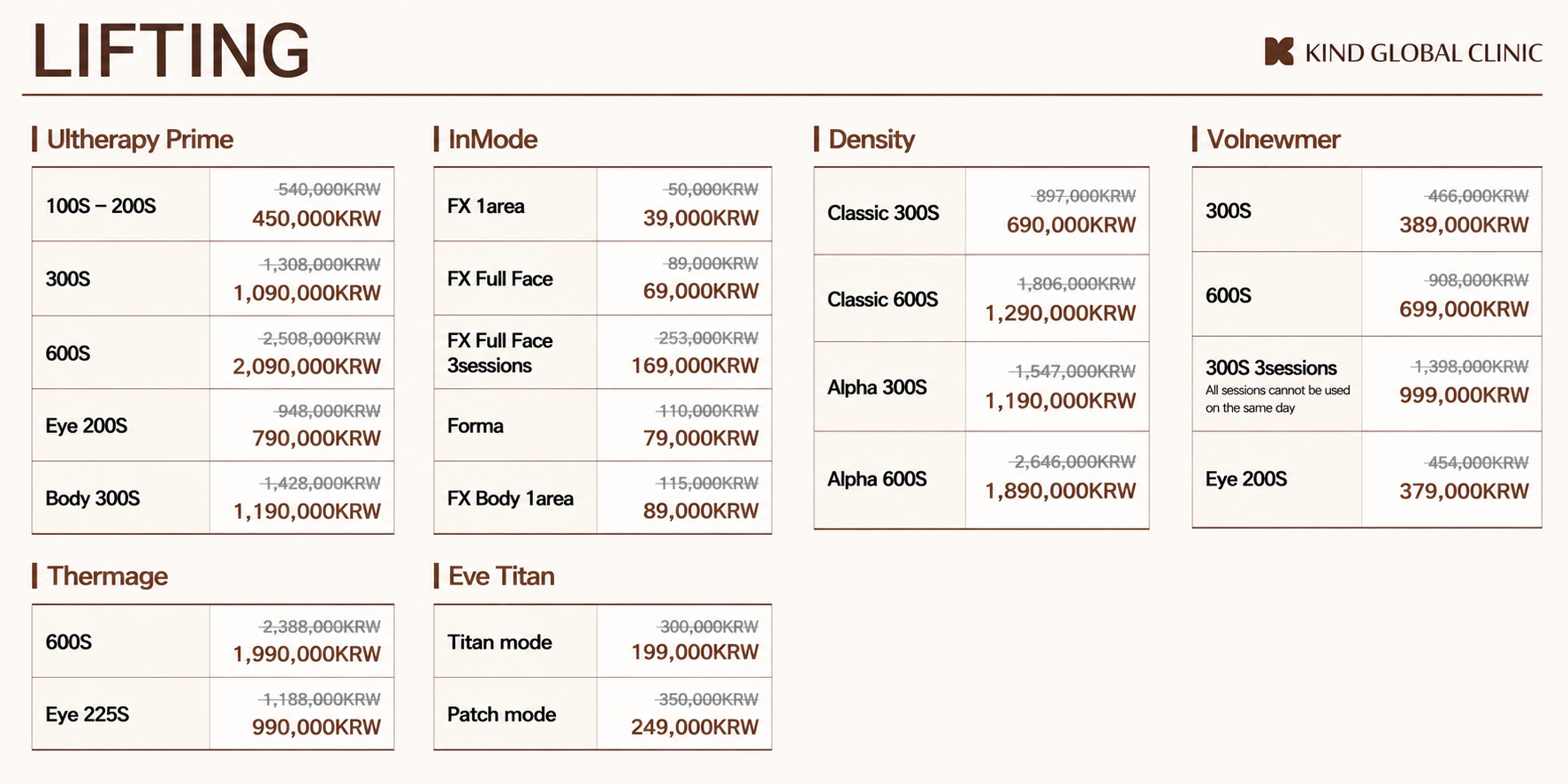
Why Glass Skin Starts at the Dermatology Clinic In Korea
Introduction
The term "glass skin" has become closely associated with Korean beauty, but the look is often misunderstood as something that can be created simply by purchasing the right collection of cosmetics. In reality, exceptionally smooth, hydrated, even-looking skin depends on much more than makeup or skincare products.
In Korea, the glass skin concept is increasingly connected with overall skin health, professional dermatology, consistent skincare, sun protection, and individualized treatment. Cosmetic products can improve the surface appearance of the skin, but they cannot always address concerns such as persistent pigmentation, acne scars, enlarged pores, uneven texture, or loss of elasticity.
This is why many people seeking a glass-skin appearance in Seoul begin with a dermatology consultation rather than immediately buying more products.
What Is Glass Skin?
"Glass skin" is a beauty term used to describe skin that appears exceptionally smooth, clear, hydrated, luminous, and refined.
It is not a medical diagnosis and does not mean that real skin should literally look like glass.
The appearance usually combines several characteristics:
- Smooth-looking texture
- Hydrated appearance
- Even skin tone
- Natural radiance
- Refined-looking pores
- Minimal visible dryness
- Healthy-looking elasticity
- A relatively clear complexion
Achieving this appearance is usually more realistic when the underlying skin is healthy and well maintained.
Glass skin is not the same as flawless skin
Real skin naturally has pores, fine lines, pigmentation variations, expression lines, and occasional imperfections.
A good dermatology strategy should not promise completely poreless or permanently flawless skin.
Instead, the goal can be to improve specific concerns while maintaining a natural appearance.
Why Cosmetics Alone May Not Be Enough
Cosmetic skincare products can play an important role in maintaining skin condition.
Cleansers remove impurities, moisturizers support hydration, sunscreens help protect against UV exposure, and active ingredients may address selected concerns.
However, topical skincare has limitations.
Some concerns may require professional assessment
Persistent problems such as:
- Deep acne scars
- Significant pigmentation
- Persistent acne
- Pronounced redness
- Advanced sun damage
- Noticeable skin laxity
- Certain forms of uneven texture
may require professional evaluation.
A cosmetic product may improve the appearance of the skin temporarily or gradually, but it may not be capable of addressing every underlying concern.
Why Korean Dermatology Plays a Role in the Glass Skin Trend
South Korea has a highly developed aesthetic dermatology industry, with clinics offering numerous technologies and treatment approaches for skin texture, pigmentation, acne, hydration, and visible signs of aging.
However, the value of professional dermatology is not simply the availability of many procedures.
The more important factor is personalized assessment.
A dermatologist can determine whether the main issue is dehydration, pigmentation, acne, texture, inflammation, laxity, or a combination of concerns.
The same "glass skin" goal can require different plans
Two people may both want brighter, smoother-looking skin but require completely different approaches.
One person may primarily have dehydration and mild dullness.
Another may have acne scars and uneven pigmentation.
A third may have early signs of aging and reduced elasticity.
Using the same treatment for all three would not necessarily make sense.
The Skin Foundation Comes First
A glass-skin appearance is easier to maintain when the skin barrier and overall condition are well managed.
Before focusing on advanced aesthetic procedures, patients should consider the basics.
These include:
- Gentle cleansing
- Appropriate moisturization
- Consistent sunscreen
- Adequate hydration
- Proper acne management
- Avoiding unnecessary irritation
- Treating persistent skin conditions appropriately
Why the skin barrier matters
The skin barrier helps maintain moisture and protects the skin from environmental stressors.
When the barrier is disrupted, the skin may become dry, irritated, sensitive, or uncomfortable.
Aggressive exfoliation and excessive use of active products can sometimes make the skin look worse rather than better.
This is why a skin-quality approach often begins with restoring balance rather than immediately adding more treatments.
Professional Treatments That May Support a Glass-Skin Appearance
There is no single medical procedure that creates "glass skin."
Instead, dermatologists may use different treatment categories depending on the patient's specific concerns.
Laser and light-based treatments
Certain laser and light-based procedures may be used to address pigmentation, redness, acne-related concerns, or aspects of uneven skin texture.
The appropriate technology depends on the problem being treated.
Not every laser is suitable for every skin type or pigmentation concern, so treatment should be selected after professional assessment.
Hydration-focused treatments
Dehydrated skin can appear dull and emphasize fine lines and texture.
Depending on the patient's condition, a dermatologist may recommend topical medical skincare or injectable skin-quality treatments to improve the appearance of hydration.
These treatments have different indications and risks, so they should not be viewed as interchangeable.
Radiofrequency treatments
Radiofrequency technology may be used for selected patients with concerns about firmness, texture, or early skin laxity.
Some procedures aim to stimulate tissue remodeling and may be incorporated into longer-term skin maintenance plans.
The results are generally gradual rather than equivalent to surgical lifting.
Ultrasound-based treatments
Certain ultrasound technologies may target deeper tissue layers and can be considered for patients with specific concerns involving firmness or laxity.
These procedures are not necessary for everyone seeking a glass-skin appearance.
A patient with good elasticity and primarily dehydrated skin may benefit from a completely different strategy.
Chemical peels
Selected chemical peels can improve aspects of surface texture, dullness, acne, and superficial pigmentation.
However, stronger peeling treatments can cause irritation or temporary sensitivity.
Patients should follow professional recommendations, especially if they have sensitive skin or a history of pigmentation problems.
Why Hydration Is So Important
Hydration is one of the most recognizable characteristics of glass-like skin.
Well-hydrated skin can appear smoother and more luminous because the surface reflects light more evenly.
However, hydration is not simply about applying a large amount of moisturizer.
Hydration involves both skincare and skin health
A basic hydration strategy can include:
- Using a gentle cleanser.
- Applying an appropriate moisturizer.
- Avoiding excessive cleansing.
- Using suitable hydrating ingredients.
- Protecting the skin barrier.
- Applying sunscreen consistently.
For some patients, professional treatment may provide additional support, but daily maintenance remains important.
Pigmentation Can Interfere With the Glass Skin Appearance
Uneven pigmentation can make otherwise healthy skin appear less uniform.
Common concerns may include:
- Post-acne marks
- Sun spots
- Freckles
- Uneven pigmentation
- Melasma
- General dullness
The correct treatment depends on the type and cause of pigmentation.
Why pigmentation should not be treated aggressively without diagnosis
Different pigmentation conditions can respond differently to treatment.
For example, melasma can be particularly challenging and may worsen with irritation or inappropriate treatment.
A dermatologist should determine the likely cause before recommending a laser, peel, topical treatment, or combination approach.
Acne and Acne Scars Are Different Problems
Active acne and acne scars require different strategies.
Trying to aggressively resurface skin while significant inflammatory acne remains active may not be the best approach.
Treatment may need to happen in stages
A dermatologist may first focus on controlling active acne.
Once inflammation is reduced, the treatment plan may shift toward:
- Post-acne pigmentation
- Redness
- Depressed scars
- Uneven texture
- Enlarged-looking pores
This staged approach can be safer and more logical than attempting to correct every concern simultaneously.
Why Pores Cannot Simply Be Erased
Small-looking pores are often associated with the glass-skin aesthetic.
However, pores are normal anatomical structures.
They cannot realistically be eliminated.
What dermatology can sometimes do is reduce factors that make them appear more prominent.
Factors that can influence pore appearance
Pores may appear more visible because of:
- Excess sebum
- Clogged pores
- Reduced skin elasticity
- Dehydration
- Acne
- Genetics
- Age-related changes
Treatment should therefore focus on the underlying factors rather than promising pore removal.
How Korean Dermatologists Approach Natural Radiance
Radiance is not necessarily the same as excessive shine.
Healthy-looking radiance usually comes from relatively smooth, hydrated, even skin.
If the skin produces excessive oil, it may look shiny without actually being healthy or balanced.
The goal is balanced luminosity
A good skin-quality plan may therefore combine:
- Hydration
- Appropriate oil control
- Texture improvement
- Pigmentation management
- Sun protection
- Barrier care
The result should look natural rather than artificially glossy.
Why Sun Protection Is Essential for Glass Skin
UV exposure can contribute to pigmentation, premature visible aging, and changes in skin texture.
Even an excellent dermatology treatment plan can be undermined by inconsistent sun protection.
For anyone pursuing long-term skin quality in Korea, daily sunscreen should be considered a basic part of maintenance.
Sun protection is especially important after certain procedures
Some dermatology treatments can temporarily make skin more sensitive.
Patients should follow their clinic's specific aftercare instructions regarding sun exposure and sunscreen.
For international visitors spending time outdoors in Seoul, this is particularly relevant during sunny seasons.
Why a Korean Dermatologist May Recommend Fewer Treatments Than Expected
A common misconception is that Korean dermatology means undergoing many procedures.
In reality, a dermatologist may recommend fewer treatments when the skin does not need more.
If a patient has healthy skin and mild concerns, the best strategy may be:
- Basic skincare
- Sun protection
- One targeted treatment
- Monitoring
- Periodic maintenance
More procedures do not automatically mean better skin
Over-treatment can lead to irritation, dryness, inflammation, or other unwanted effects.
The purpose of professional dermatology is to select an appropriate intervention, not simply to maximize the number of procedures.
Why Myeongdong Is Popular With Beauty-Focused Visitors
Myeongdong is one of Seoul's best-known shopping and tourism areas and has become closely associated with Korean beauty culture.
Visitors can find extensive skincare retail options, but the presence of numerous products can also make choosing the right routine confusing.
For persistent or complex skin concerns, professional assessment can help patients distinguish between problems that can reasonably be managed with skincare and those that may require medical treatment.
A dermatology consultation can simplify product choices
Instead of buying multiple products based on advertisements or social media trends, patients can discuss their actual skin condition with a qualified professional.
A simpler routine that matches the skin may be more useful than a complicated collection of products.
Glass Skin for International Patients Visiting Seoul
Medical tourists often have limited time in Korea.
Some may stay for only several days, while others may remain for several weeks.
Treatment planning should take this into account.
Consider recovery time before booking procedures
Before scheduling a procedure, ask:
- Is there downtime?
- Will redness or swelling occur?
- Can makeup be used afterward?
- How long should direct sun exposure be avoided?
- Will another session be needed?
- Can the treatment safely be combined with other procedures?
- What skincare should be avoided afterward?
These questions are particularly important when your trip includes sightseeing, photography, events, or business meetings.
What to Look for in a Dermatology Clinic in Myeongdong
Choosing a clinic based only on promotional offers can be risky.
Instead, look for a clinic that provides clear information about:
- Medical consultation
- Treatment indications
- Expected outcomes
- Potential side effects
- Downtime
- Treatment intervals
- Aftercare
- Alternatives
- Total expected cost
International patients may also benefit from clinics that provide clear communication in English or another language they understand.
Can You Maintain Glass Skin Without Professional Treatments?
Yes, depending on what you mean by "glass skin."
If your skin is already relatively healthy, consistent skincare can make a significant difference in hydration, smoothness, and overall appearance.
Professional treatments are not mandatory for everyone.
A basic routine can go a long way
A practical routine may include:
Morning
- Gentle cleansing if needed
- Hydrating skincare
- Moisturizer
- Broad-spectrum sunscreen
Evening
- Gentle cleansing
- Targeted skincare if appropriate
- Moisturizer
Additional products should be introduced based on actual skin needs rather than trends.
The Difference Between a Beauty Trend and a Medical Goal
Glass skin is a beauty trend.
Healthy skin is a medical and dermatological goal.
The two can overlap, but they are not identical.
A dermatologist should prioritize skin health and realistic outcomes rather than promising that a patient can achieve a social-media filter-like appearance.
Realistic expectations matter
A person's genetics, age, skin type, lifestyle, sun exposure, and existing skin conditions all influence appearance.
Professional treatment can improve selected concerns, but it cannot completely rewrite natural skin characteristics.
Conclusion
The glass-skin trend may have started as a Korean beauty concept, but achieving a healthy, smooth, hydrated, luminous appearance is about much more than purchasing cosmetics.
In Korea, dermatology can play an important role when persistent concerns such as pigmentation, acne, scars, texture, redness, or early aging require professional attention. Treatments can be combined with appropriate skincare and prevention to create a more comprehensive approach to skin quality.
However, glass skin should not be interpreted as perfectly poreless or flawless skin. Healthy skin still has natural texture and variation.
For visitors to Seoul and Myeongdong, the most useful starting point is not necessarily the biggest skincare shopping bag. It is understanding what your skin actually needs. With realistic expectations, professional guidance when necessary, consistent skincare, and effective sun protection, a naturally radiant complexion can become a more achievable long-term goal.
FAQs
Does glass skin require professional dermatology treatment?
Not always. Healthy skincare habits can significantly improve hydration and appearance. Professional dermatology may be useful when concerns such as persistent acne, pigmentation, scars, or significant texture problems require medical treatment.
What does glass skin mean in Korean beauty?
Glass skin generally describes a complexion that looks exceptionally smooth, hydrated, clear, luminous, and even. It is a beauty concept rather than a medical condition.
Can skincare products create glass skin?
Skincare can support hydration, barrier health, texture, and overall appearance. However, products cannot necessarily correct every concern, particularly deeper acne scars, significant pigmentation, or pronounced skin laxity.
What dermatology treatments can improve glass-skin appearance in Korea?
Depending on the patient's skin, dermatologists may consider laser treatments, chemical peels, hydration-focused treatments, radiofrequency, ultrasound-based procedures, or injectable skin-quality treatments.
Can pores be completely removed for glass skin?
No. Pores are normal anatomical structures and cannot realistically be eliminated. Their appearance may sometimes be reduced through appropriate skincare and professional treatments.
Is glass skin the same as healthy skin?
No. Glass skin is an aesthetic concept. Healthy skin involves factors such as hydration, barrier function, balanced oil production, resilience, and the absence of significant untreated skin problems.
How long does it take to achieve a glass-skin appearance?
There is no standard timeframe. Results depend on the starting condition of the skin, treatment selected, skincare routine, lifestyle, and individual response.
Can international patients get glass-skin treatments in Seoul?
Yes. International patients can seek dermatology consultations in Seoul, but treatment selection and scheduling should be based on individual suitability and the patient's available recovery time.