Best Treatments in Korea for Sensitive Skin That Can't Tolerate Lasers
Introduction
Sensitive skin can make aesthetic treatment decisions much more complicated. While laser procedures are useful for pigmentation, redness, texture, and other concerns, some people experience excessive irritation, burning, prolonged redness, dryness, or discomfort after laser treatments. Others may simply find that their skin barrier becomes unstable whenever they use energy-based procedures.
Having sensitive skin does not mean that professional skin treatments are impossible. It means the treatment strategy needs to be more conservative and focused on improving skin quality, hydration, and barrier support before considering aggressive resurfacing. In Korea, dermatology clinics offer several non-laser options, including Rejuran, skin boosters, LED therapy, gentle chemical peels, selected radiofrequency treatments, and customized medical skincare.
The most appropriate choice depends on why the skin is sensitive. Sensitivity can be related to dehydration, a weakened skin barrier, rosacea-prone skin, excessive exfoliation, environmental irritation, or an underlying dermatological condition. A professional assessment is important before starting an aesthetic treatment program.
Why Some People Cannot Tolerate Laser Treatments
Weakened Skin Barrier
A compromised skin barrier can make otherwise tolerable procedures feel much more irritating.
Common signs include:
- Burning or stinging
- Persistent dryness
- Tightness
- Flaking
- Redness
- Increased reaction to skincare products
When the barrier is compromised, restoring skin stability may be more important than immediately treating cosmetic concerns.
Naturally Sensitive Skin
Some people naturally have skin that reacts easily to heat, friction, active ingredients, or environmental changes.
These patients may require lower-intensity procedures and longer intervals between treatments.
Rosacea-Prone Skin
People with rosacea-prone skin may experience flushing, persistent redness, warmth, and sensitivity.
Energy-based treatments may sometimes be considered, but treatment should be carefully selected and performed by an appropriately qualified professional.
Over-Exfoliation
Frequent use of acids, scrubs, retinoids, or multiple active skincare products can increase irritation.
In these situations, the first step may be simplifying the skincare routine rather than adding another procedure.
Best Non-Laser Treatments for Sensitive Skin
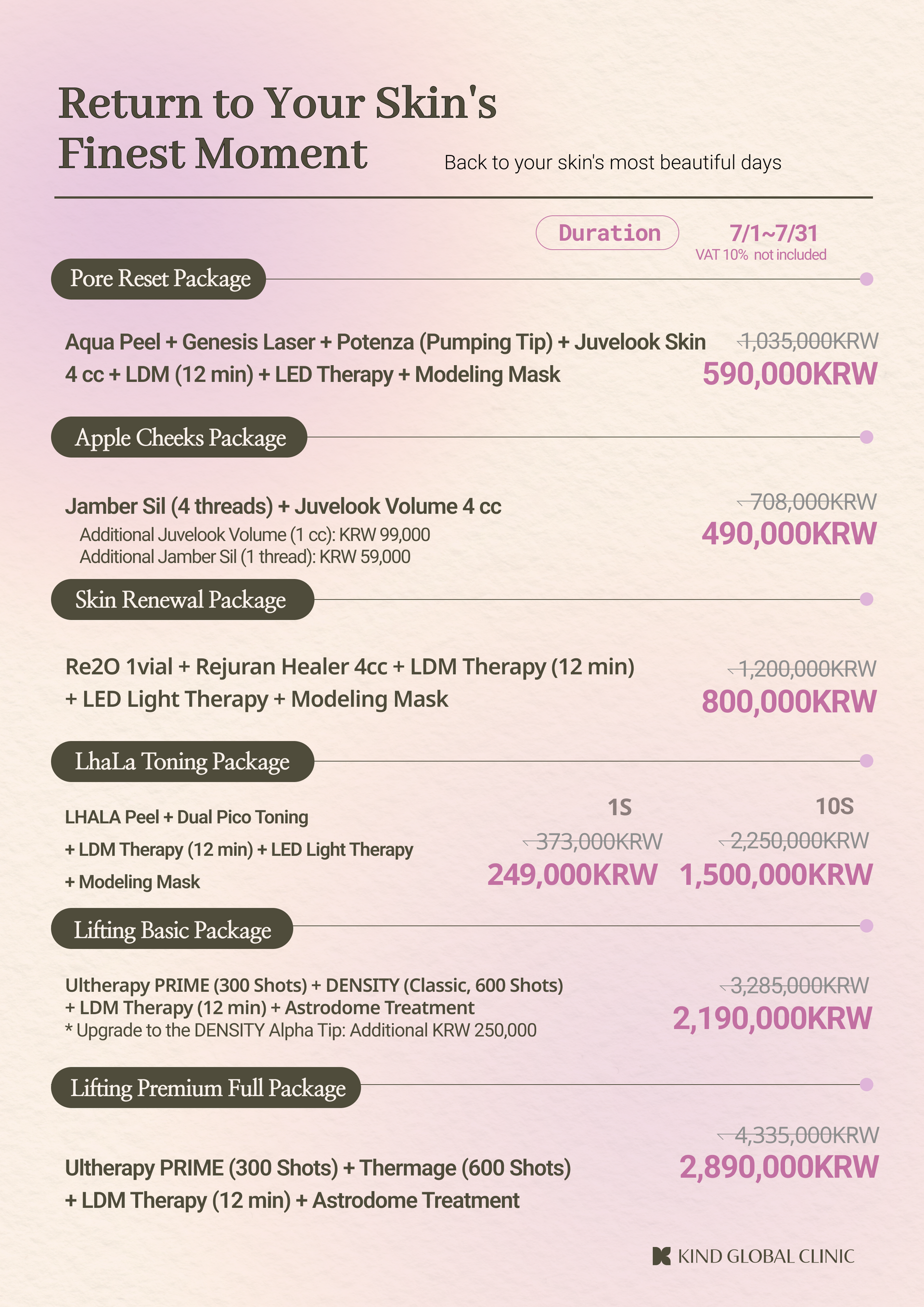
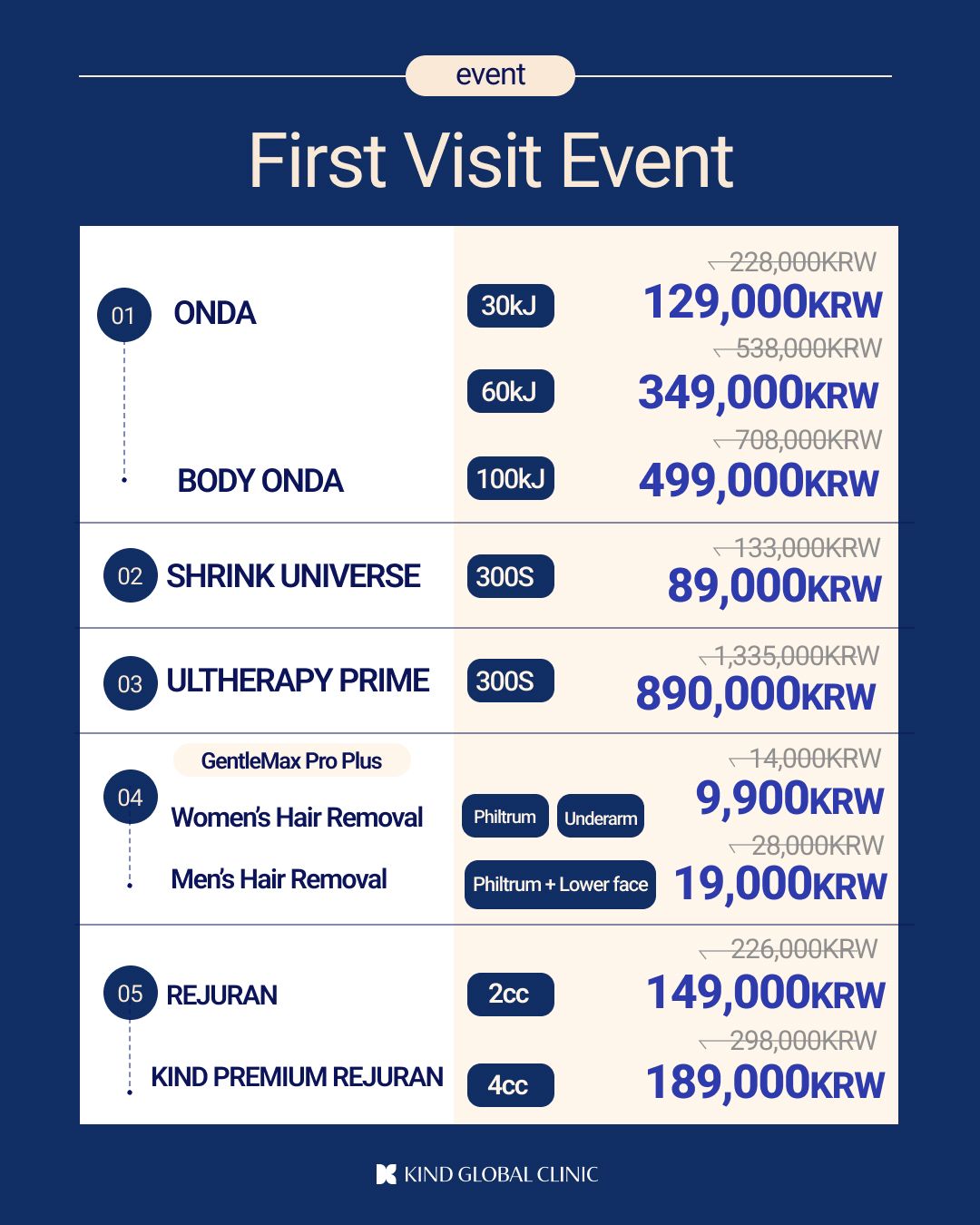
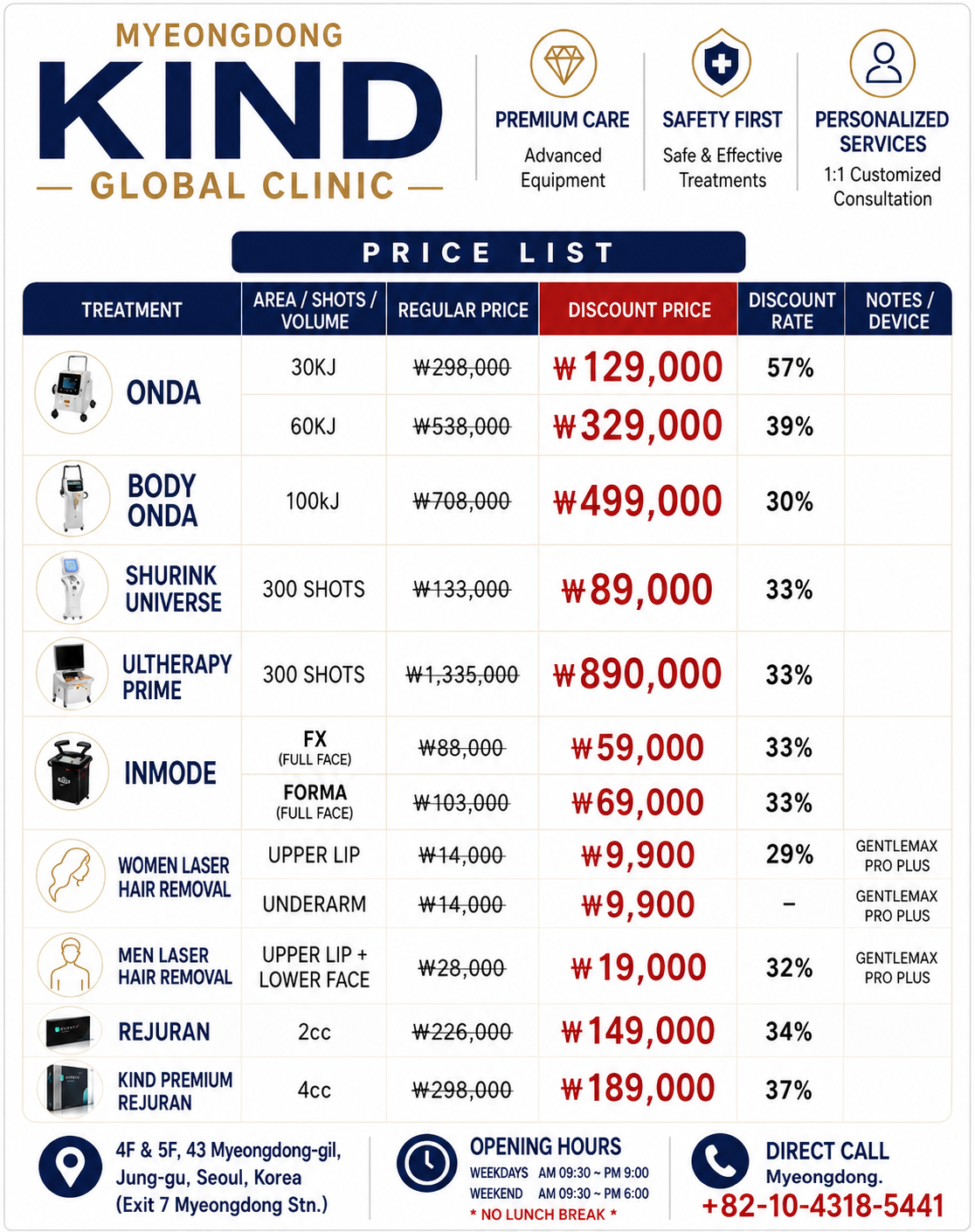
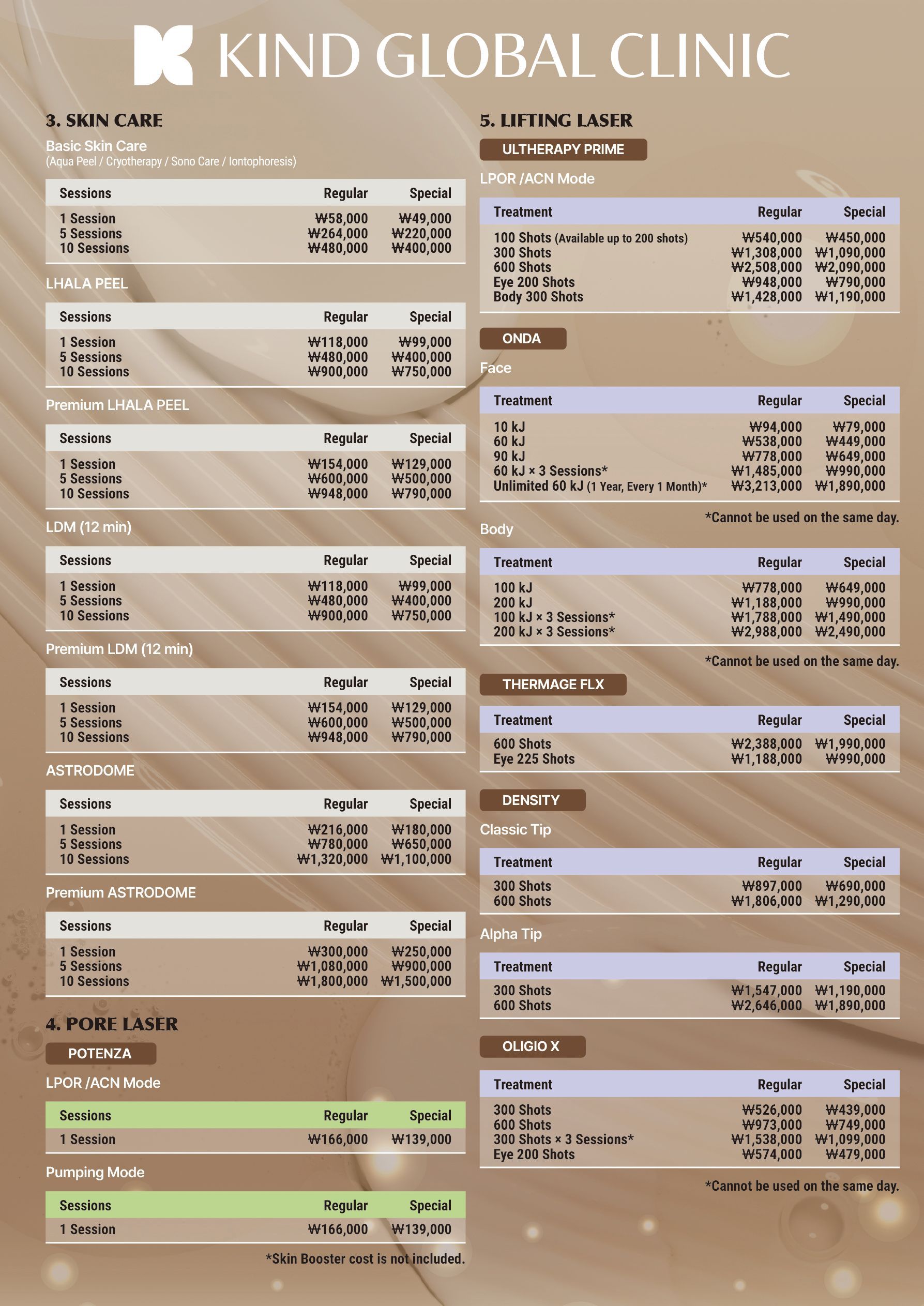
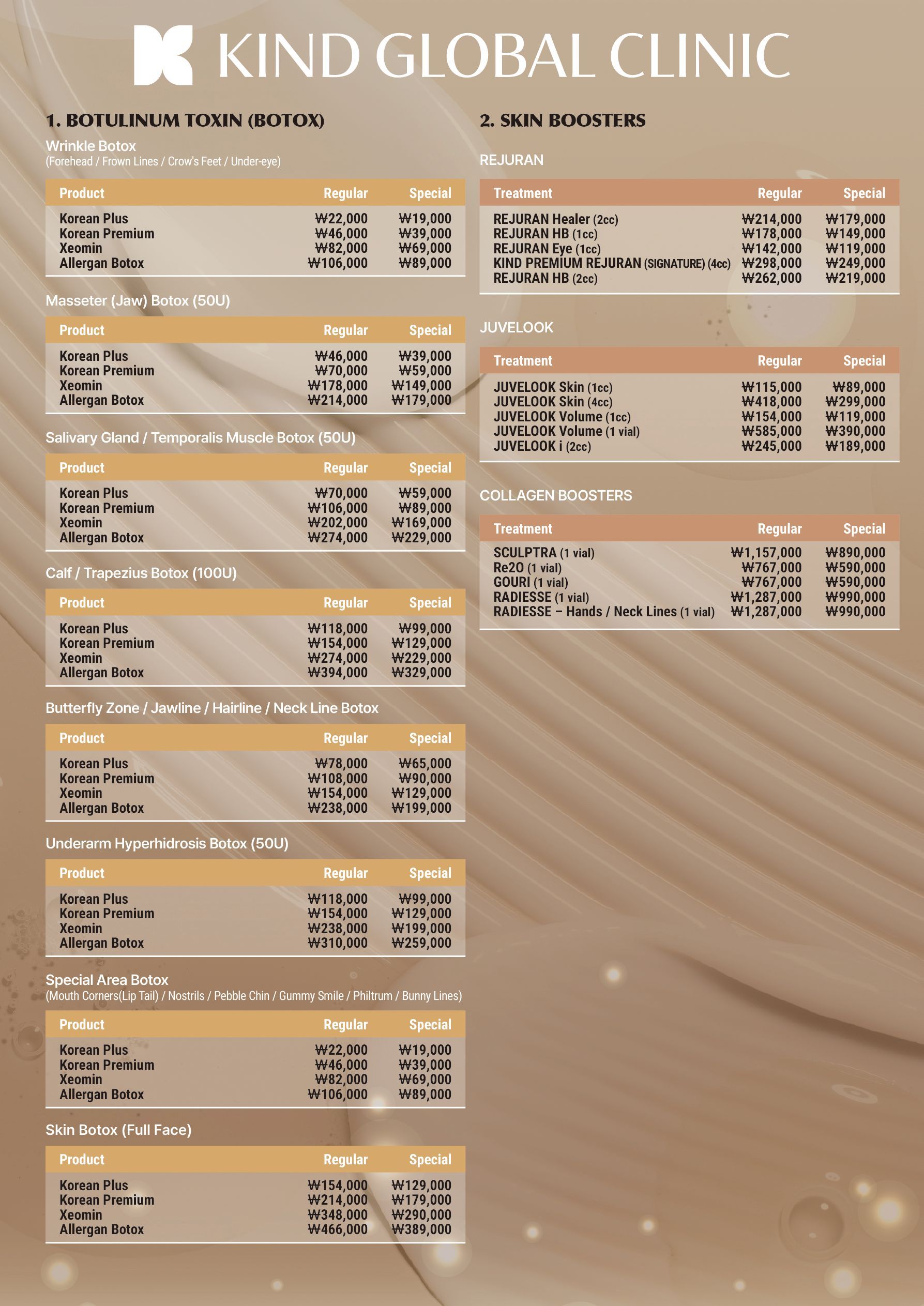
Rejuran
Rejuran may be considered for patients whose main concern is poor skin quality rather than deep pigmentation or severe texture problems.
It may be appropriate when sensitive skin also appears:
- Dry
- Thin
- Dehydrated
- Fine-lined
- Less resilient
Rejuran is not completely non-invasive because it involves injections, but it does avoid the heat and light energy associated with laser procedures.
Skin Boosters
Skin boosters may be considered when dehydration is contributing to sensitivity and roughness.
Depending on the product and technique, treatment may focus on improving hydration and overall skin quality.
Potential goals include:
- Better skin hydration
- Improved suppleness
- Smoother-looking texture
- Reduced appearance of dehydration lines
- Fresher-looking skin
The specific product should be selected according to the patient's skin condition.
LED Therapy
LED therapy can be an appealing option for people who want a gentle procedure.
It generally does not involve the same type of thermal or ablative resurfacing associated with many laser treatments.
It may be incorporated into a broader skin-maintenance plan, although it should not be viewed as a replacement for medical treatment when an underlying skin condition is present.
Gentle Chemical Peels
Some mild chemical peels may be considered for sensitive patients, but stronger does not mean better.
A dermatologist can determine whether a very gentle peel is appropriate or whether the skin should first be stabilized.
Patients with highly reactive skin should not attempt aggressive peeling without professional guidance.
Can Radiofrequency Be Used Instead of Lasers?
RF Is Different From Laser Technology
Radiofrequency and laser treatments use different types of energy, but RF is not automatically suitable for every sensitive-skin patient.
Some RF procedures generate heat, so people who react strongly to heat may still experience discomfort or temporary redness.
Treatment selection should therefore be based on skin tolerance rather than simply choosing a device because it is not a laser.
Gentle RF Treatments
Selected non-invasive RF treatments may be considered when the patient wants to improve mild laxity or firmness without laser resurfacing.
Possible options in Korea may include:
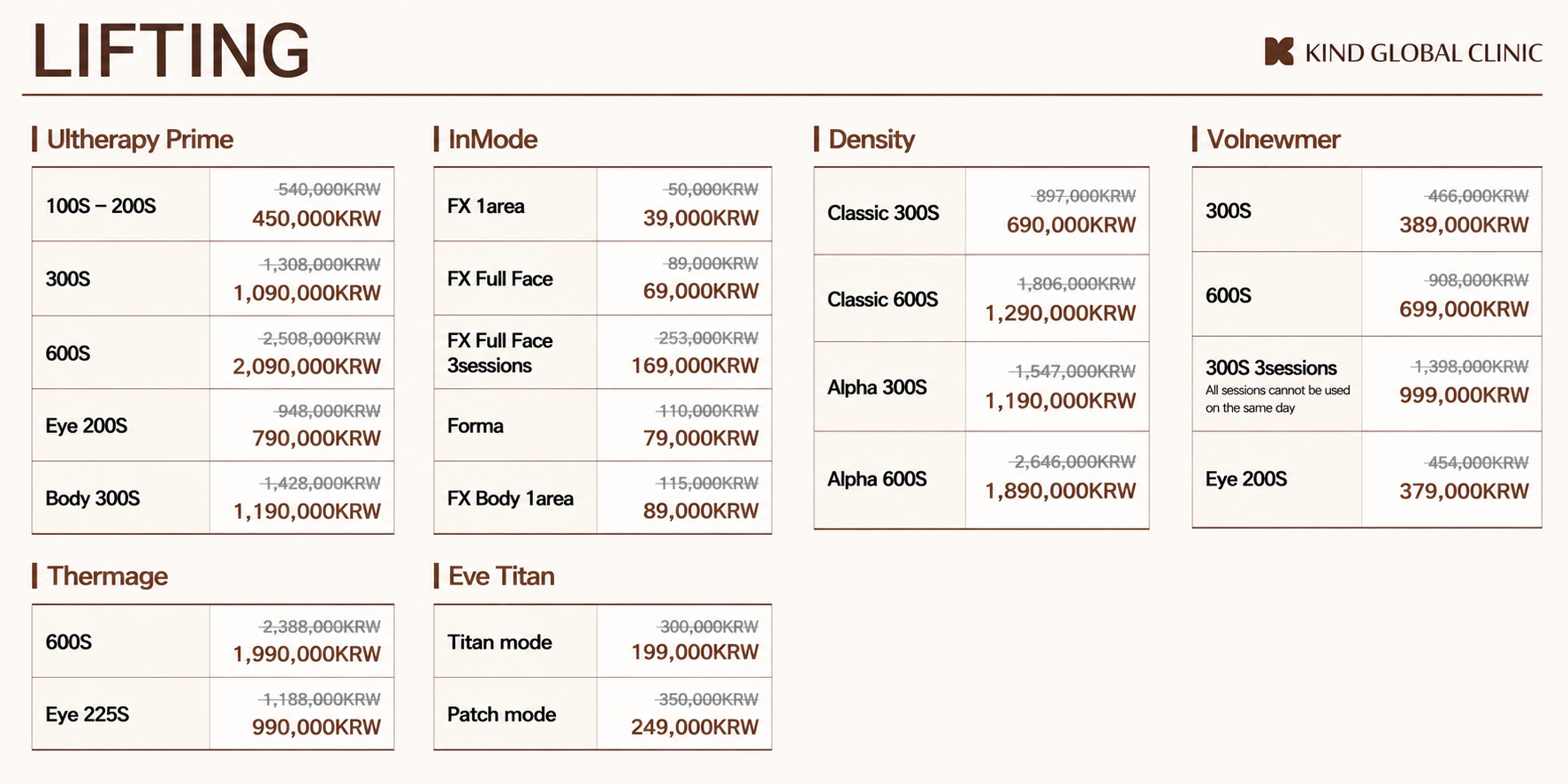
- Thermage
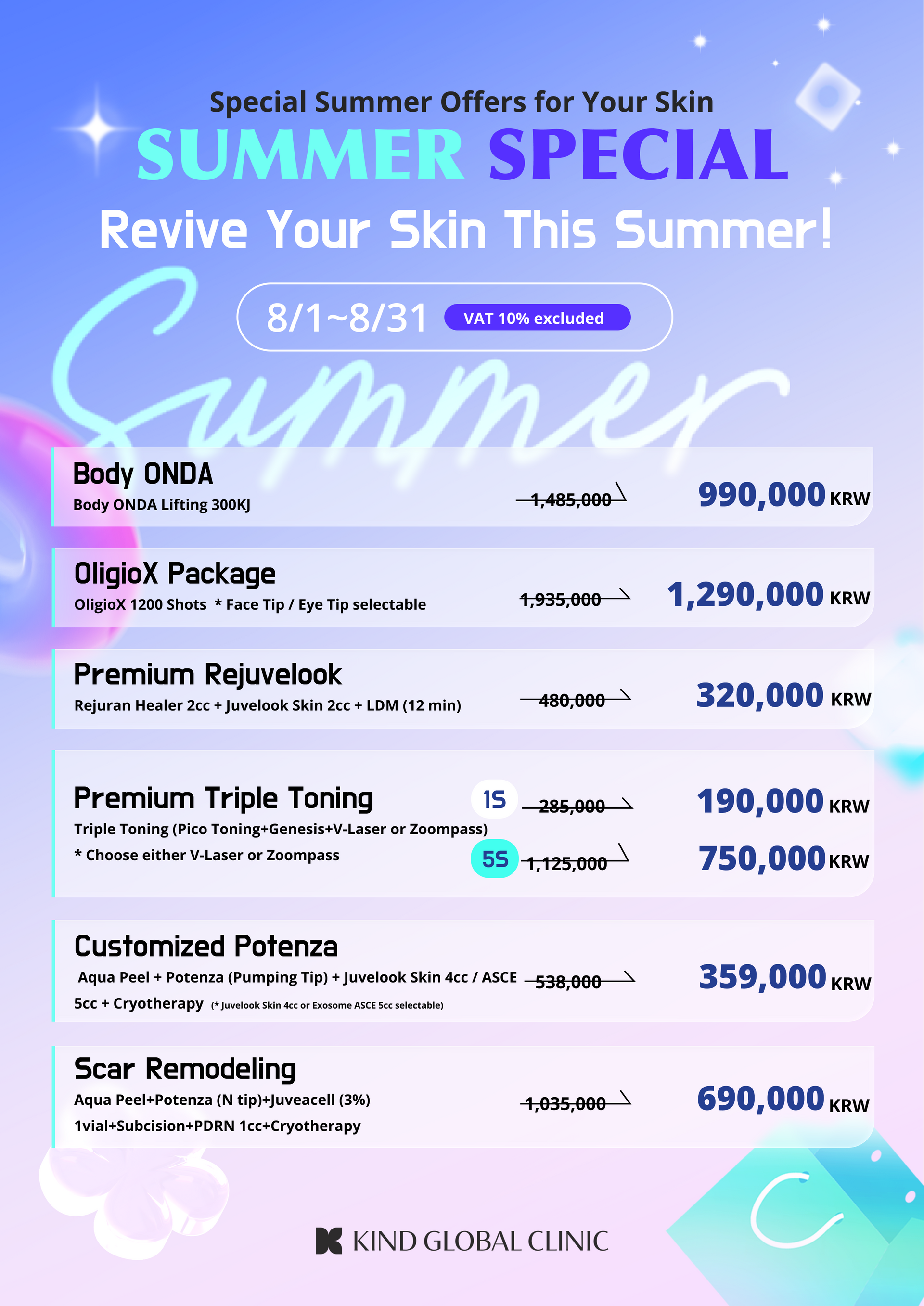
- Oligio
- XERF
- Other customized RF procedures
The treatment intensity and suitability should be assessed individually.
Best Treatment for Sensitive Skin With Dehydration
Prioritize Hydration
When sensitivity is mainly caused by dehydration, hydration-focused treatment may be more appropriate than resurfacing.
A plan may include:
- Skin boosters
- Rejuran
- Gentle medical skincare
- Barrier-supportive moisturizers
- Sunscreen
- Simplified active skincare
Improving hydration can make the skin appear smoother and more comfortable.
Best Treatment for Sensitive Skin With Redness
Identify the Cause of Redness
Redness does not automatically mean that the skin needs a laser.
It may be caused by:
- Irritation
- Visible blood vessels
- Rosacea
- Dehydration
- Environmental exposure
- Skin conditions
If visible vessels are responsible, vascular laser treatment may sometimes be appropriate, but a dermatologist should make that determination.
If irritation is the main issue, calming and barrier-supportive care may be more appropriate.
Best Treatments for Sensitive Skin in Your 30s
Focus on Prevention and Skin Quality
For patients in their 30s, sensitive skin may be combined with early fine lines, dehydration, or mild collagen loss.
A conservative approach may include:
- Rejuran
- Skin boosters
- LED therapy
- Gentle skincare
- Selected non-invasive treatments
The goal should be maintaining healthy skin rather than aggressively treating early aging.
Best Treatments for Sensitive Skin in Your 40s and 50s
Address Aging Without Over-Treating
Mature sensitive skin may have reduced hydration, thinner appearance, fine lines, and declining elasticity.
Depending on skin tolerance, a treatment plan could potentially combine skin-quality treatments with carefully selected non-invasive tightening procedures.
Examples may include:
- Rejuran for skin quality
- Skin boosters for hydration
- Selected RF treatments for firmness
- LED therapy for supportive care
A conservative treatment schedule may be preferable to performing multiple intensive procedures close together.
Sensitive Skin and Skin Boosters
Choose the Product Carefully
"Skin booster" is a broad category rather than one specific treatment.
Different products can have different purposes and injection techniques.
Before treatment, ask about:
- The exact product
- Treatment goals
- Injection technique
- Expected swelling
- Recovery time
- Potential side effects
- Whether the product is appropriate for your skin
Sensitive Skin and Rejuran
Consider Skin Quality Rather Than Resurfacing
Rejuran may be attractive to patients who want to improve the overall appearance of thin or dehydrated skin without laser resurfacing.
However, it still involves injections and therefore is not appropriate for people who want a completely needle-free treatment.
Sensitive Skin and LED Therapy
A Gentle Maintenance Option
LED therapy can be useful when the patient prioritizes minimal discomfort and minimal interruption to daily activities.
It may be incorporated between other treatments or used as part of a maintenance program.
Its role is generally supportive rather than equivalent to intensive resurfacing.
Treatments Patients With Sensitive Skin May Need to Approach Carefully
Aggressive Resurfacing
Strong resurfacing procedures can create more irritation than some sensitive patients are prepared to tolerate.
Frequent Exfoliation
Repeated peels or aggressive exfoliation may worsen barrier problems.
Multiple Procedures at Once
Combining several intensive procedures in a single appointment can increase irritation and make it harder to determine which treatment caused a reaction.
How to Prepare Sensitive Skin Before Treatment
Simplify Your Skincare Routine
Before treatment, consider discussing your current products with your dermatologist.
Potentially irritating products may need to be adjusted depending on the procedure.
Avoid Unnecessary Scrubbing
Physical scrubs can increase irritation, particularly when the skin barrier is already compromised.
Use Sunscreen
Daily sun protection is important because UV exposure can contribute to inflammation and sensitivity.
What International Patients Should Know When Visiting Korea
Do Not Schedule Too Many Treatments
International patients sometimes try to complete several procedures during a short trip.
For sensitive skin, this can be counterproductive.
Before traveling, consider:
- Sharing your previous treatment history
- Providing information about known reactions
- Asking about expected downtime
- Planning enough recovery time
- Avoiding multiple aggressive procedures
- Scheduling a consultation before treatment
If you have a history of significant reactions, communicate this clearly to the clinic.
When Should Sensitive Skin Be Evaluated Medically?
Persistent Symptoms Need More Than Cosmetic Treatment
If your skin frequently burns, itches, flakes, or becomes intensely red, aesthetic treatment may not be the first priority.
Professional evaluation may help determine whether an underlying dermatological condition is contributing to the sensitivity.
Conclusion
People with sensitive skin do not necessarily need to avoid all professional aesthetic treatments. Instead, the treatment strategy should be adapted to the skin's tolerance and the actual cause of sensitivity.
In Korea, options such as Rejuran, skin boosters, LED therapy, selected gentle peels, and carefully chosen RF treatments may provide alternatives to laser-based procedures for appropriate patients. However, non-laser does not automatically mean risk-free or irritation-free.
The best approach is to stabilize the skin first, identify the cause of sensitivity, and then choose the least aggressive treatment capable of addressing the specific concern. A personalized plan is usually safer and more effective than repeatedly trying increasingly intensive procedures on reactive skin.
FAQ
What is the best treatment for sensitive skin that cannot tolerate lasers?
The best option depends on the cause of sensitivity. Rejuran, skin boosters, LED therapy, gentle peels, and selected RF treatments may be considered for suitable patients.
Can Rejuran be used instead of laser treatment?
Rejuran may be considered when the goal is improving skin quality, hydration, or fine lines rather than treating a specific laser-responsive condition.
Are skin boosters suitable for sensitive skin?
They may be suitable for selected patients, particularly when dehydration is contributing to poor skin quality. The product and technique should be carefully chosen.
Is LED therapy good for sensitive skin?
LED therapy may be considered as a gentle supportive treatment, particularly for people who prefer minimal discomfort and downtime.
Can sensitive skin receive RF treatment?
Some patients may tolerate selected RF procedures, but RF generates energy and, depending on the device, heat. A dermatologist should determine whether it is appropriate.
Should I stop exfoliating if my skin is very sensitive?
If exfoliation is causing irritation, reducing or stopping irritating products may be appropriate. Discuss persistent sensitivity with a qualified professional.
Can sensitive skin ever tolerate laser treatment?
Some sensitive patients may tolerate carefully selected laser treatments with appropriate settings, but this depends on the cause and severity of sensitivity.
What should I avoid before an aesthetic treatment?
Avoid making major skincare changes or aggressively exfoliating immediately before treatment. Follow the specific preparation instructions provided by your clinician.