Best Treatments Before Flying Home in Seoul
Introduction
For international patients, the final day of an aesthetic trip to Korea can be just as important as the treatment day itself. A procedure that looks convenient on paper may not be ideal immediately before a long flight if it can cause swelling, bruising, redness, tenderness, or temporary skin sensitivity.
If you are planning to fly home after receiving an aesthetic treatment in Seoul, treatment selection and timing should be considered together. Some non-invasive procedures may fit comfortably into a short itinerary, while injectable treatments and more intensive skin procedures may require additional recovery time.
The goal should not be to complete another treatment simply because you have a few hours remaining before departure. Instead, your final treatment should be appropriate for your skin, compatible with air travel, and consistent with the aftercare instructions provided by your clinician.
Why Treatment Timing Matters Before Flying
Air Travel Can Be Physically Demanding
Long flights involve prolonged sitting, cabin dryness, changes in routine, and limited opportunities for skincare.
If your face is already swollen or sensitive after treatment, the flight may feel less comfortable.
Recovery Can Continue After You Leave Korea
Some treatments produce effects that become more noticeable after the appointment.
Depending on the procedure, you may experience:
- Swelling
- Redness
- Tenderness
- Bruising
- Dryness
- Temporary sensitivity
- Small injection marks
Understanding the expected recovery period is important before booking a procedure close to departure.
Best Treatments Before Flying Home in Seoul
LED Therapy
LED therapy may be one of the gentler options for patients who want a supportive treatment without injections.
It may be considered for general skin maintenance and can be incorporated into a broader treatment plan.
However, patients should maintain realistic expectations because gentle treatments generally produce more subtle results.
Selected Non-Invasive RF Treatments
Treatments such as Thermage, Oligio, and XERF may be considered when the goal is skin firmness or mild laxity.
Because these procedures do not involve surgical incisions, they may fit more easily into an international travel schedule.
However, temporary warmth, redness, or tenderness can occur, so your clinician should confirm whether the timing is appropriate before your flight.
Sofwave
Sofwave may be considered for selected patients who want non-invasive skin tightening.
It does not require injectable filler or surgical incisions.
Nevertheless, individual recovery can vary, so it is important to ask about possible post-treatment sensations before scheduling it immediately before travel.
Treatments That May Need More Planning Before a Flight
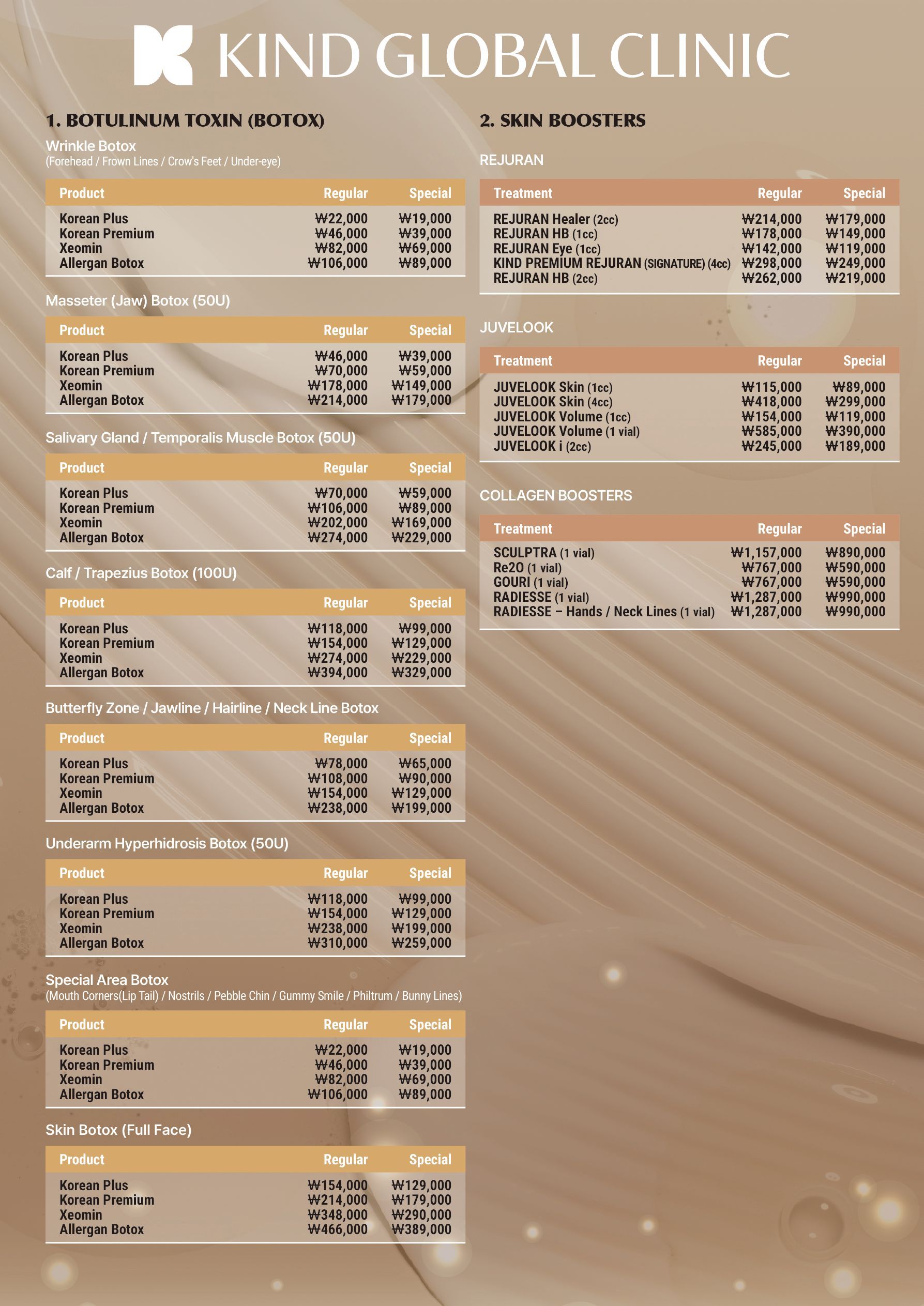
Rejuran
Rejuran involves injections and can produce temporary swelling, redness, or small injection-related marks.
If you are flying home shortly afterward, ask your clinician whether the timing is appropriate.
Skin Boosters
Skin boosters also involve injections.
Depending on the product and injection technique, temporary swelling or visible injection marks may occur.
They may be suitable earlier in a trip but may be less convenient immediately before a long flight.
Botox
Botox typically involves a short procedure, but small injection marks or bruising can occur.
Patients should discuss their flight schedule with the clinic, particularly if they are concerned about visible marks.
Dermal Fillers
Fillers can produce swelling and bruising, particularly in certain facial areas.
If you are considering filler during your final hours in Korea, ask the treating clinician about post-treatment monitoring and travel timing.
Best Non-Invasive Treatments Before a Flight
Focus on Minimal Skin Disruption
If your departure is close, treatments that do not create significant skin disruption may be easier to manage.
Potential options may include:
- Selected RF treatments
- Sofwave
- LED therapy
- Gentle skincare treatments
- Carefully selected non-invasive procedures
The right option depends on the treatment area and your skin condition.
Should You Get Pico Laser Before Flying Home?
Consider the Treatment Intensity
Pico Laser may be appropriate for selected pigmentation concerns, but not every laser protocol has the same recovery profile.
Possible post-treatment effects can include:
- Redness
- Sensitivity
- Temporary darkening of pigmentation
- Dryness
- Skin irritation
If you are flying shortly afterward, ask your clinician whether the selected protocol is appropriate.
What About Strong Laser Resurfacing?
Usually Requires More Careful Scheduling
More intensive resurfacing can involve significant redness, peeling, sensitivity, or other visible recovery effects.
A final-day treatment may therefore be inconvenient for an international traveler.
If a procedure requires substantial aftercare, consider completing it earlier in the trip.
Can You Fly After RF Skin Tightening?
Ask About Your Specific Treatment
Many non-invasive RF treatments do not require surgical recovery, but individual responses vary.
Before flying, ask:
- Is swelling expected?
- Can I exercise?
- Can I use my normal skincare?
- Is sun exposure restricted?
- Can I wear makeup?
- Is there any special flight-related precaution?
The treating clinic should provide instructions specific to the procedure.
Can You Fly After Ultherapy?
Plan Around Possible Tenderness
Ultherapy is non-surgical, but some patients experience temporary tenderness or sensitivity.
If your flight is scheduled immediately afterward, discuss the timing with your provider.
If you have enough flexibility, completing the treatment earlier in your trip may provide greater comfort.
What to Do Before Your Flight
Complete Your Follow-Up Instructions
Before leaving the clinic, make sure you understand:
- How to cleanse your skin
- Which products to use
- Which products to avoid
- Whether sunscreen is required
- Whether exercise should be avoided
- Whether heat exposure is restricted
- Whether makeup is permitted
- What symptoms should prompt medical contact
Keep Your Skincare Simple
After many aesthetic treatments, a simple routine may be easier to manage while traveling.
Avoid introducing multiple unfamiliar active ingredients immediately after a procedure unless your clinician recommends them.
What to Pack for Your Flight Home
Essential Skin-Care Items
Depending on your treatment, you may want to carry:
- Gentle cleanser
- Moisturizer
- Sunscreen
- Clinician-recommended products
- Lip moisturizer
- Any prescribed medication or aftercare products
Keep important treatment instructions accessible during your journey.
How to Protect Your Skin During the Flight
Stay Hydrated
Cabin air can feel dry, which may make treated skin feel uncomfortable.
Follow your clinician's advice regarding hydration and skincare.
Avoid Unnecessary Irritation
Avoid excessive rubbing, scratching, or aggressive cleansing.
If your skin is sensitive after treatment, gentle handling is particularly important.
Follow Sun Protection Instructions
If you have received a treatment that makes your skin more sensitive to sunlight, take sun protection seriously during airport transfers and after arriving home.
Should You Wear Makeup Before Flying?
Follow the Clinic's Instructions
Whether makeup is appropriate depends on the treatment.
After some procedures, makeup may be acceptable, while after others it may be better avoided for a certain period.
Do not assume that a treatment is makeup-safe simply because it is non-invasive.
Treatments to Avoid Immediately Before a Major Event
New Injectable Procedures
Even treatments with relatively short recovery can occasionally cause unexpected swelling or bruising.
Aggressive Peels
Peeling can become more noticeable after treatment and may be inconvenient during travel.
Intensive Laser Resurfacing
Strong resurfacing procedures generally require more careful aftercare.
If you are flying home shortly afterward, ask whether the procedure should be performed earlier.
Best Strategy for a Short Korea Trip
Schedule Major Treatments Earlier
If possible, consider completing treatments earlier in your visit.
This gives you more time to:
- Observe your skin
- Manage temporary reactions
- Ask follow-up questions
- Receive additional professional advice
- Adjust your skincare routine
Reserve the Final Day for Recovery
For some travelers, the safest approach is to avoid major procedures on the final day and use the time for follow-up or gentle care.
What International Patients Should Tell Their Korean Clinic
Share Your Exact Flight Schedule
Tell your provider:
- Departure date
- Departure time
- Flight duration
- Connection schedule
- Destination
- Important events after arrival
This information can help the clinician assess whether your planned treatment fits your travel schedule.
What If You Develop Swelling Before Flying?
Contact Your Clinic
If you develop unexpected or significant swelling, pain, or another concerning symptom before departure, contact the treating clinic.
Do not simply assume that every post-treatment reaction is normal.
Your clinician can determine whether you need assessment before traveling.
A Practical Final-Day Treatment Plan
Option 1: Minimal Intervention
For patients with a flight later the same day, a conservative plan may focus on:
- Follow-up consultation
- Gentle skincare
- LED therapy when appropriate
- Aftercare review
Option 2: Non-Invasive Treatment Earlier in the Day
If your clinician confirms that it is appropriate, a selected non-invasive treatment may be performed with enough time for observation afterward.
Option 3: No Additional Treatment
Sometimes the best choice is simply to allow your skin to recover.
You do not need to undergo another procedure just because you have time available.
When Should You Schedule Your Main Treatment?
Earlier Is Often More Comfortable
For a multi-day Seoul trip, major treatments can often be planned earlier rather than immediately before departure.
For example:
- Day 1: Consultation
- Day 2: Main treatment
- Day 3: Recovery
- Day 4: Follow-up or complementary treatment if appropriate
- Day 5: Travel preparation
The exact schedule depends on the procedure and individual recovery.
Conclusion
Choosing the right treatment before flying home in Seoul requires more than considering treatment effectiveness. International patients also need to consider swelling, bruising, redness, sensitivity, aftercare, flight duration, and the amount of time remaining before departure.
Non-invasive treatments such as selected RF procedures, Sofwave, and LED therapy may fit some travel schedules more easily, while injectables and intensive resurfacing procedures may require more careful timing.
If you are flying home soon after treatment, tell your Korean clinic your exact travel schedule. A conservative final-day plan—or even no additional procedure—may be the best choice when comfort, safety, and predictable recovery are more important than completing another treatment.
FAQ
Can I get an aesthetic treatment before flying home from Seoul?
Some treatments may be appropriate, but the decision depends on the procedure, your skin condition, and how soon you are flying.
Is it better to get treatment earlier during my Korea trip?
Often, completing major treatments earlier gives you more time to observe recovery and address unexpected reactions.
Can I fly after Thermage?
Your clinician can advise based on your specific treatment and response. Non-invasive treatment does not automatically mean there will be no temporary effects.
Can I fly after Rejuran?
Rejuran involves injections and may cause temporary swelling, redness, or injection marks. Discuss the timing carefully with your provider.
Can I get Botox before flying home?
Botox may involve minimal recovery for many patients, but injection marks or bruising can occur. Your flight schedule should be considered.
Should I get filler immediately before my flight?
It may be preferable to allow time for swelling or bruising to settle. Discuss your travel schedule with the treating clinician.
Can I get Pico Laser before flying home?
Some protocols may fit a short travel schedule, but redness, sensitivity, or other temporary effects can occur.
What should I do if I experience unusual swelling before my flight?
Contact the clinic that performed the treatment and follow its medical advice rather than assuming the reaction is normal.