Best Treatments for Korean Glass Skin Without Fillers in Seoul
Introduction
Korean glass skin is often associated with a smooth, hydrated, luminous complexion that looks healthy in both natural light and photographs. However, achieving this appearance does not necessarily require dermal fillers or significant changes to facial volume. For many people, the focus can instead be placed on skin hydration, texture, pigmentation, pores, collagen support, and overall skin quality.
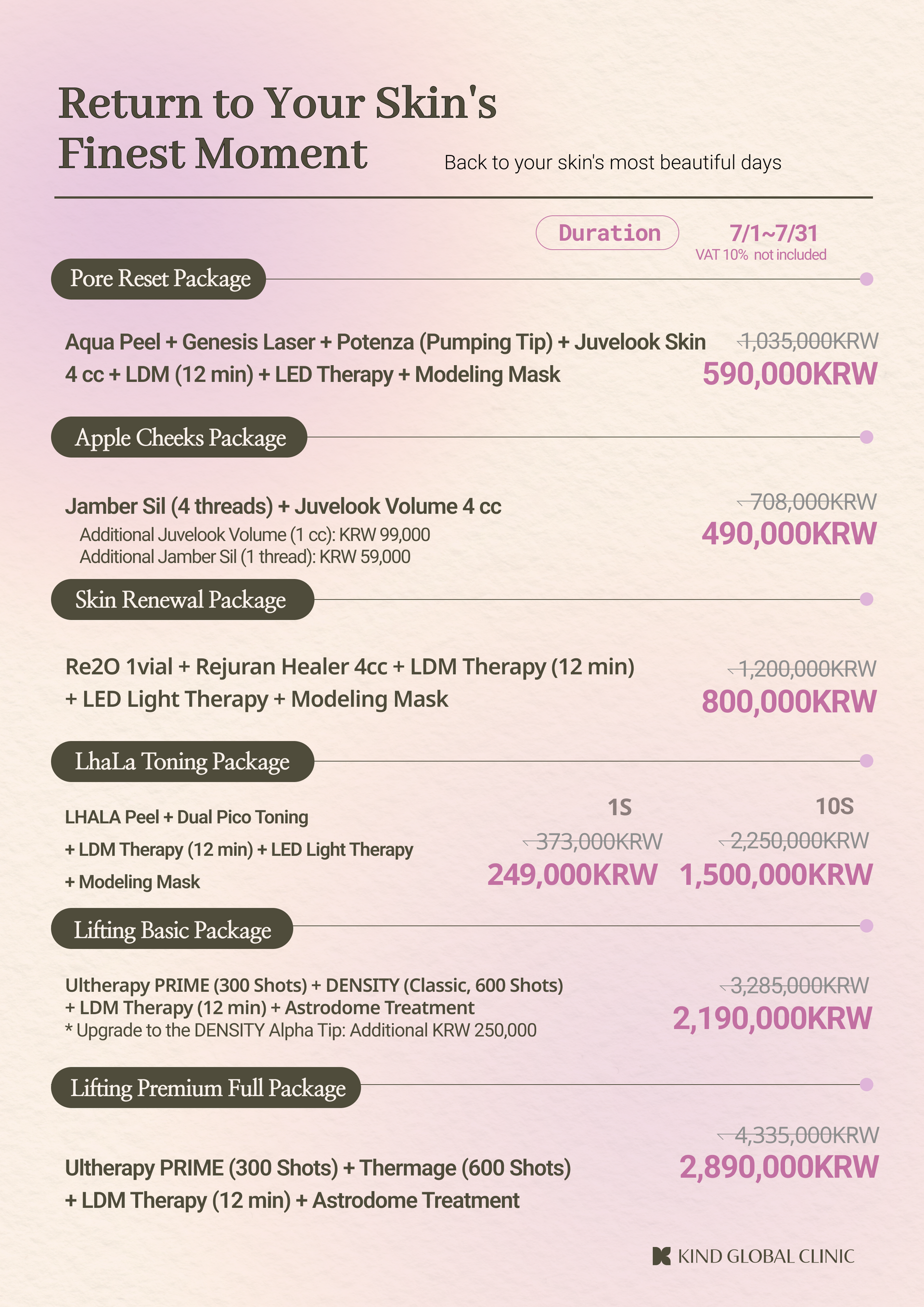
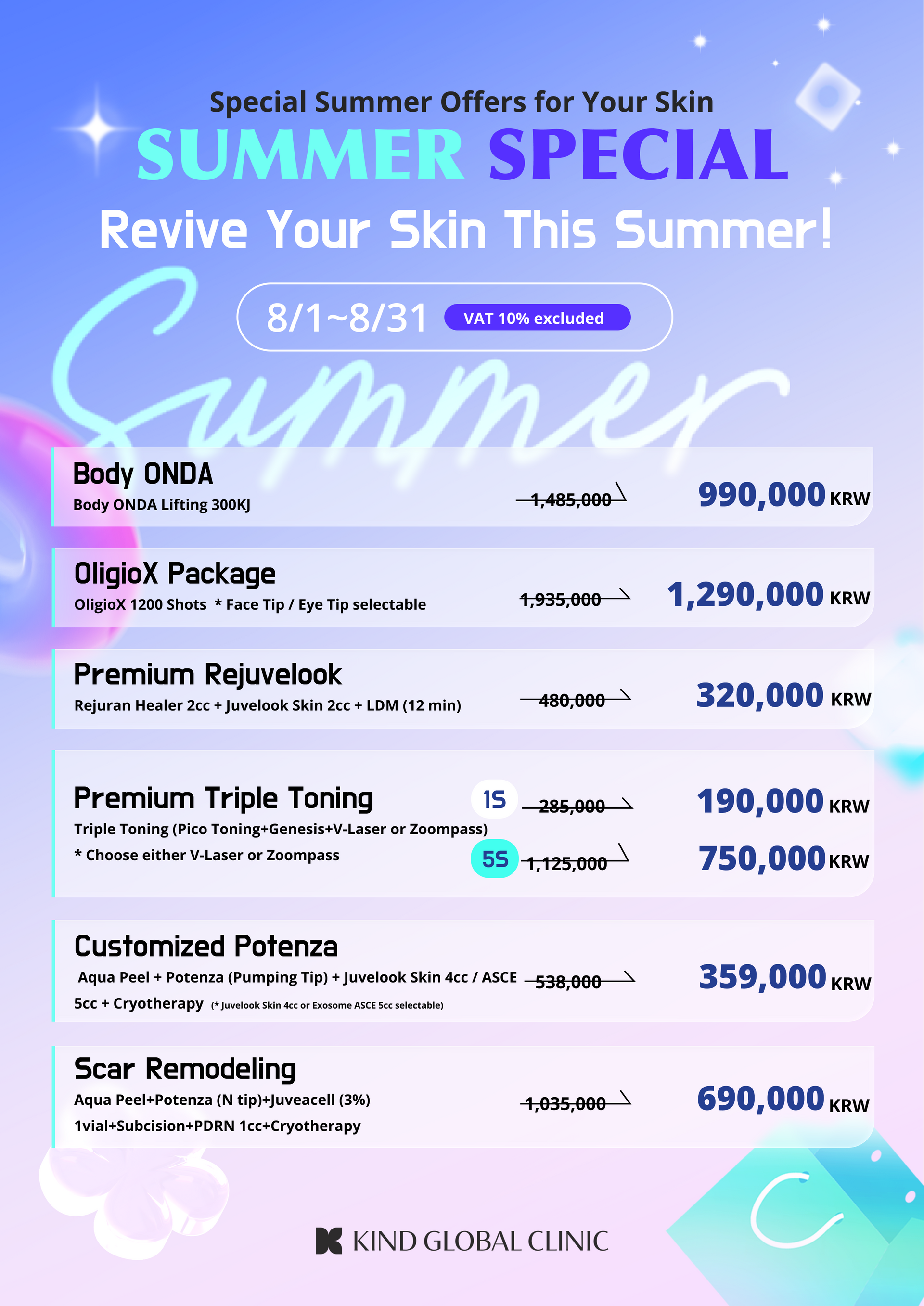
If you are looking for Korean glass skin without fillers in Seoul, there are several treatment approaches that may be considered. Depending on your skin condition, options can include skin boosters, Rejuran, Juvelook, Pico Laser, RF-based treatments, gentle resurfacing procedures, and customized medical skincare.
The important point is that "glass skin" is not a single medical condition or treatment. It is an aesthetic description of skin that appears exceptionally smooth, clear, hydrated, and luminous. The best treatment plan depends on what is preventing your skin from achieving that appearance.
What Does Korean Glass Skin Actually Mean?
Hydration
Well-hydrated skin generally appears smoother and more supple.
Dehydrated skin may make:
- Fine lines more visible
- Texture look rougher
- Pores appear more noticeable
- Makeup sit unevenly
- The complexion appear dull
Hydration is therefore one of the main components of a glass-skin appearance.
Even Skin Tone
Glass skin is usually associated with relatively even-looking complexion.
Uneven tone can be caused by:
- Sun exposure
- Post-inflammatory pigmentation
- Acne marks
- Redness
- Melasma
- Other pigmentary conditions
The underlying cause should be identified before choosing a treatment.
Smooth Texture
Texture can be affected by:
- Enlarged pores
- Acne scars
- Dryness
- Dead skin buildup
- Collagen loss
- Uneven skin surface
Different causes require different approaches.
Best Treatments for Korean Glass Skin Without Fillers in Seoul
Skin Boosters
Skin boosters can be considered when hydration and skin suppleness are major concerns.
Potential goals include:
- Improved hydration
- Smoother-looking skin
- Better suppleness
- Fresher appearance
- More luminous-looking complexion
Because many skin boosters are injectable, temporary swelling, redness, or bruising can occur.
Rejuran
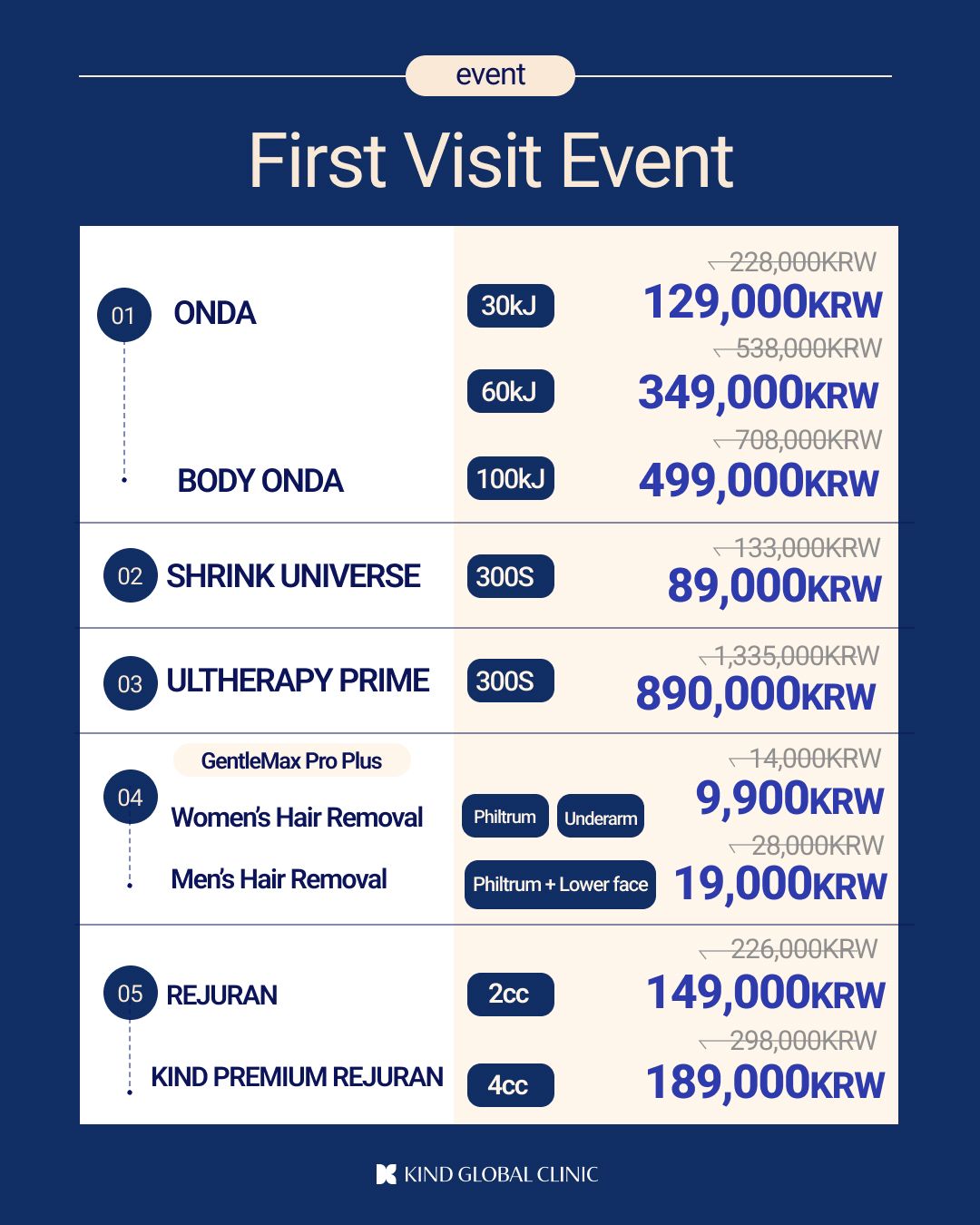
Rejuran may be considered for patients who want to improve overall skin quality without adding facial volume.
Potential concerns include:
- Fine lines
- Thin-looking skin
- Uneven texture
- Dullness
- Reduced skin quality
Rejuran is different from filler because its purpose is not primarily to create facial volume.
Juvelook
Juvelook may be considered when collagen support and texture improvement are priorities.
Potential treatment goals include:
- Fine-line improvement
- Smoother texture
- Improved skin quality
- Reduced appearance of certain textural irregularities
Results can develop gradually rather than appearing immediately after treatment.
Best Laser Treatment for Glass Skin
Pico Laser
Pico Laser may be considered for selected pigmentation and overall complexion concerns.
Potential goals include:
- More even-looking skin tone
- Reduced appearance of selected pigmentation
- Brighter-looking complexion
- Improved overall skin appearance
Not every type of pigmentation responds to the same laser, so professional assessment is important.
Gentle Laser-Based Treatments
Depending on your skin type and concern, a dermatologist may recommend another laser or light-based procedure rather than Pico Laser.
The correct technology depends on whether the primary problem is pigmentation, redness, texture, pores, or another condition.
Best Treatments for Enlarged Pores
Improve the Surrounding Skin Quality
Pores cannot be permanently eliminated, but their appearance can sometimes be reduced.
Potential approaches include:
- RF treatments
- Collagen-focused procedures
- Selected lasers
- Medical skincare
- Hydration-focused treatments
The underlying cause matters. Oil production, collagen loss, dehydration, and acne scarring can all influence pore visibility.
Best Treatments for Uneven Texture
Collagen-Focused Treatments
Juvelook and selected skin-quality procedures may be considered when collagen loss contributes to uneven texture.
RF-Based Treatments
RF treatments such as Thermage, Oligio, or XERF may be considered when reduced firmness contributes to a less smooth appearance.
They can be particularly useful when texture concerns occur together with early laxity.
Best Treatment for Dull Skin
Combine Hydration and Pigmentation Care
Dullness can have several causes.
Your dermatologist may assess:
- Dehydration
- Pigmentation
- Dead skin accumulation
- Sun damage
- Skin barrier condition
- Uneven texture
Depending on the findings, a combination of skincare and professional treatments may be recommended.
Best Treatment for Fine Lines Without Filler
Rejuran and Juvelook
Both may be considered when the goal is improving skin quality rather than adding volume.
Botox for Dynamic Lines
Botox may be appropriate when facial movement is the primary cause of visible lines.
It does not create the hydrated, luminous appearance associated with glass skin, so it should be viewed as a targeted treatment rather than a complete glass-skin solution.
Best Treatment for Skin Firmness Without Filler
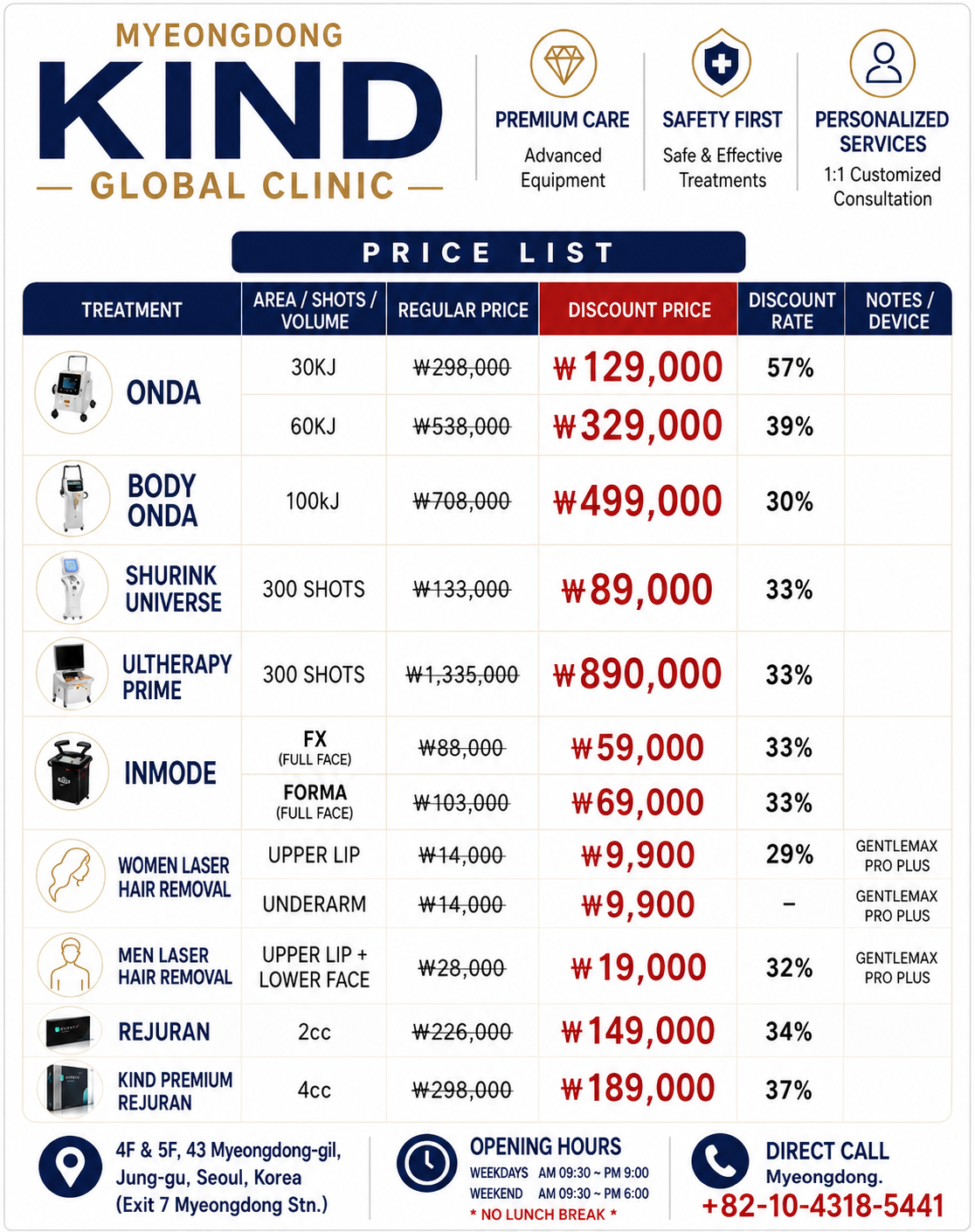
Thermage
Thermage may be considered for early laxity and reduced firmness.
Oligio
Oligio may be considered for RF-based tightening and improved-looking firmness.
Ultherapy
Ultherapy may be considered when deeper tissue support and mild-to-moderate laxity are concerns.
XERF
XERF is another RF-based option that may be considered for selected patients.
The appropriate device depends on your anatomy and treatment goals.
Why You May Not Need Fillers for Glass Skin
Glass Skin Is Primarily About Skin Quality
Dermal fillers are designed primarily to restore or add volume and can be useful for selected structural concerns.
However, they are not required to achieve:
- Hydrated-looking skin
- Smooth texture
- More even-looking tone
- Improved radiance
- Better skin quality
If your facial volume is already appropriate, adding filler solely to pursue a glass-skin appearance may not address the actual problem.
Glass Skin for Different Skin Types
Dry Skin
Prioritize:
- Hydration
- Skin barrier support
- Gentle cleansing
- Moisturization
- Appropriate skin boosters
Oily Skin
Focus on:
- Sebum management
- Pore appearance
- Lightweight hydration
- Appropriate medical skincare
- Texture improvement
Combination Skin
Treatment may need to address different concerns in different facial zones.
Sensitive Skin
A conservative treatment approach may be preferable.
Not every laser or exfoliating procedure is appropriate for sensitive skin.
Glass Skin for Acne-Prone Skin
Treat Active Acne First
If you have active acne, simply pursuing glow treatments may not address the underlying problem.
Treatment may first focus on:
- Acne control
- Inflammation
- Excess oil
- Post-acne pigmentation
- Acne scarring
Once active acne is controlled, skin-quality treatments can be considered.
Glass Skin After Acne Clears
Address Remaining Marks and Texture
Post-acne concerns may include:
- Dark marks
- Red marks
- Enlarged pores
- Uneven texture
- Acne scars
The treatment plan should be based on whether the remaining problem is pigmentation, redness, or structural scarring.
How Many Treatments Do You Need?
There Is No Universal Number
Some patients may notice improvement after one treatment, while others need a series.
Factors include:
- Skin condition
- Age
- Pigmentation
- Hydration
- Texture
- Collagen loss
- Previous treatments
A dermatologist can establish a realistic treatment schedule after assessing your skin.
How Long Does Glass Skin Last?
Maintenance Is Important
Glass-skin results are not permanent.
Skin continues to experience:
- Sun exposure
- Aging
- Dehydration
- Environmental stress
- Pigmentation changes
Long-term maintenance may include professional treatments and consistent home skincare.
A Sample Glass-Skin Plan in Seoul
Step 1: Skin Assessment
Identify the main barriers to achieving smooth, luminous skin.
Step 2: Hydration
Consider hydration-focused treatment if dryness is significant.
Step 3: Texture and Collagen
Address fine lines, pores, or uneven texture with appropriate collagen-supporting treatments.
Step 4: Pigmentation
Treat selected pigmentation concerns when appropriate.
Step 5: Maintenance
Continue with:
- Sunscreen
- Moisturizer
- Appropriate active skincare
- Regular professional assessments
What International Patients Should Know
Plan Your Seoul Visit Carefully
If you are traveling to Seoul specifically for glass-skin treatments, consider:
- Number of available days
- Treatment recovery
- Follow-up requirements
- Flight schedule
- Sun exposure during travel
Some treatments are better performed early in your trip, while others may require recovery time before flying.
Tell Your Doctor About Previous Procedures
Mention previous:
- Fillers
- Botox
- Lasers
- RF treatments
- Skin boosters
- Chemical peels
- Cosmetic surgery
This can help your dermatologist develop a safer treatment plan.
What to Avoid When Pursuing Glass Skin
Over-Treating the Skin
More procedures do not necessarily create better skin.
Excessive treatments may cause:
- Irritation
- Dryness
- Sensitivity
- Barrier disruption
- Post-inflammatory pigmentation in susceptible patients
Over-Exfoliation
Using multiple exfoliating products can make the skin appear rougher rather than smoother.
Ignoring Sun Protection
UV exposure can worsen pigmentation, collagen breakdown, and premature aging.
Daily sunscreen is an important part of maintaining a glass-skin appearance.
Conclusion
Korean glass skin does not require facial fillers. In many cases, the appearance can be approached by improving hydration, texture, pigmentation, firmness, and overall skin quality.
Treatments such as skin boosters, Rejuran, Juvelook, Pico Laser, Thermage, Oligio, Ultherapy, and XERF may all have a role depending on your individual concerns.
The best glass-skin strategy in Seoul is not about adding more volume. It is about understanding what your skin needs and creating a personalized plan that improves its quality while preserving your natural facial appearance.
FAQ
Can I get Korean glass skin without fillers?
Yes. Glass skin is primarily associated with skin quality, hydration, smooth texture, even tone, and luminosity rather than facial volume.
What is the best treatment for glass skin in Seoul?
There is no single best treatment. Skin boosters, Rejuran, Juvelook, Pico Laser, RF treatments, and medical skincare may be considered depending on your concerns.
Is Rejuran a filler?
No. Rejuran is generally used as a skin-quality treatment rather than a conventional facial-volume filler.
Can Juvelook help create glass skin?
Juvelook may be considered when fine lines, texture, and collagen support are important concerns.
Can Pico Laser make skin brighter?
Pico Laser may help selected pigmentation concerns and contribute to a more even-looking complexion.
Do I need several treatments for glass skin?
Not necessarily. Treatment requirements vary according to skin condition, treatment type, and individual goals.
How long does Korean glass skin last?
The appearance requires ongoing skincare and maintenance because aging, UV exposure, dehydration, and environmental factors continue to affect the skin.
Can sensitive skin get glass-skin treatments?
Potentially, but treatment should be customized carefully to minimize irritation and avoid procedures that may not be suitable for your skin.