Best Treatments Before Considering a Facelift in Korea
Introduction
A facelift can address significant facial laxity, but not everyone who notices aging changes is ready for surgery. Some people are primarily concerned about early sagging, reduced skin elasticity, fine lines, loss of firmness, or subtle changes around the jawline and lower face. In these situations, non-surgical treatments may be considered before deciding whether facelift surgery is necessary.
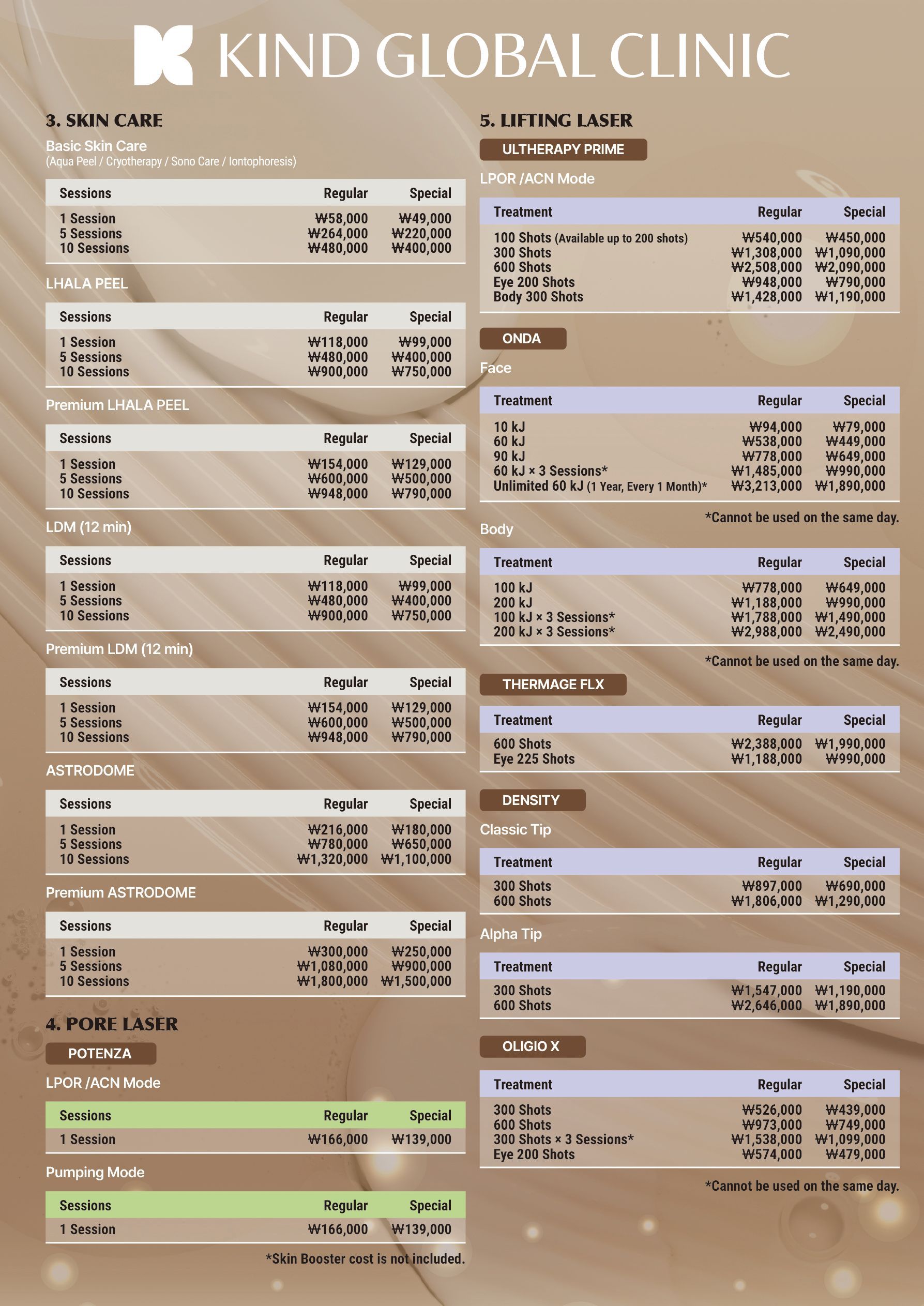
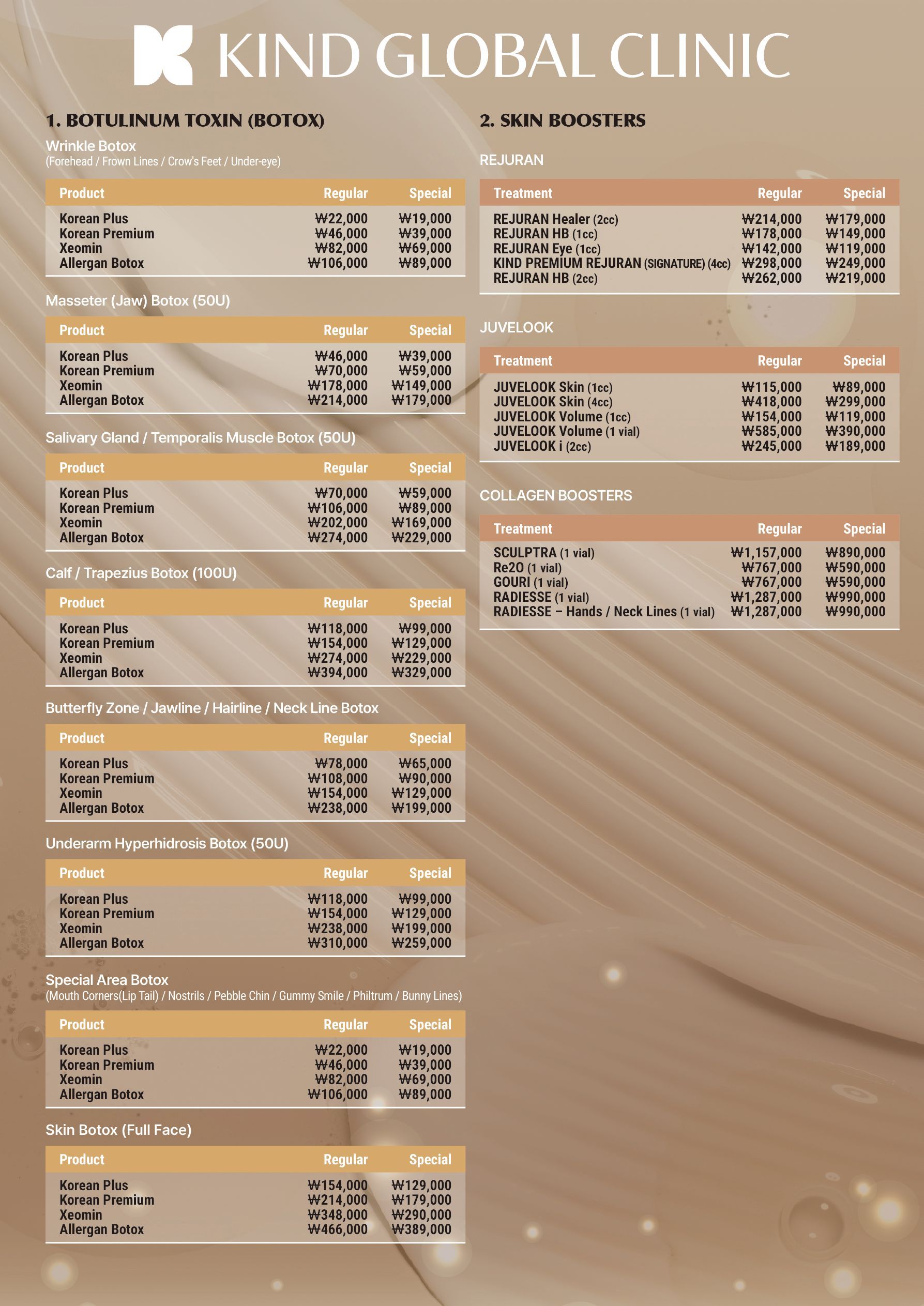
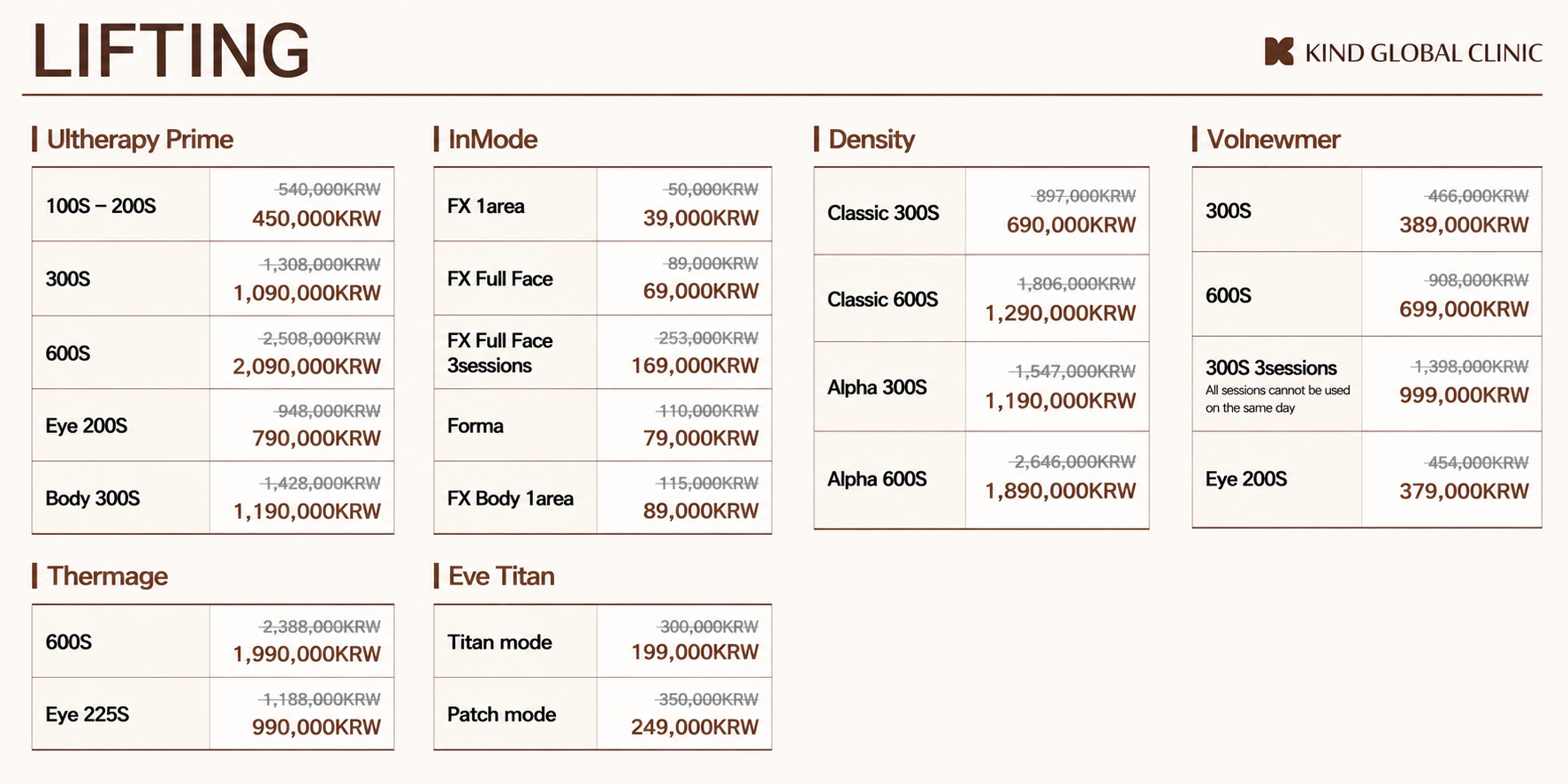
Preparing before a facelift is not about trying to replace surgery at all costs. Instead, it can help patients understand which concerns are related to skin quality, which are caused by laxity, and which are caused by volume loss. In Korea, patients can choose from a wide range of non-surgical aesthetic treatments, including Ultherapy, Thermage, Oligio, XERF, Rejuran, skin boosters, Juvelook, and selected laser treatments.
For patients who are already considering surgery, the most useful approach is usually a personalized assessment rather than completing multiple procedures simply because they are available. The right treatment depends on the degree of laxity, age, skin quality, facial structure, previous procedures, and desired outcome.
Why Consider Non-Surgical Treatments Before a Facelift?
Not Every Sign of Aging Requires Surgery
Facial aging is influenced by several factors, including:
- Skin laxity
- Collagen loss
- Volume loss
- Fine lines
- Skin texture
- Pigmentation
- Fat distribution
- Changes in facial support
A facelift primarily addresses specific forms of facial laxity and tissue descent. It does not automatically correct every skin-quality concern.
Understand What Your Main Problem Is
A consultation can help determine whether your primary concern is:
- Loose skin
- Sagging cheeks
- Jawline laxity
- Neck laxity
- Volume loss
- Fine lines
- Poor skin quality
This distinction can help determine whether non-surgical treatment is reasonable or whether surgery would provide a more appropriate solution.
Best Treatments Before Considering a Facelift
Ultherapy
Ultherapy may be considered for patients with mild-to-moderate laxity who want a non-surgical approach.
It uses focused ultrasound energy and is generally used to target selected tissue layers.
Potential treatment goals include:
- Mild lifting
- Improved firmness
- Jawline refinement
- Improvement in the appearance of laxity
Ultherapy cannot reproduce the degree of tissue repositioning achieved with facelift surgery.
Thermage
Thermage uses radiofrequency energy and may be considered for patients whose primary concern is skin laxity and reduced firmness.
It may be useful when the skin appears:
- Less firm
- Slightly loose
- Crepey
- Less elastic
Thermage focuses on skin tightening and collagen remodeling rather than surgical repositioning.
Oligio
Oligio is another RF-based treatment that may be considered before a facelift.
It can be useful for patients who want non-surgical improvement in skin firmness.
The appropriate RF treatment depends on facial anatomy, treatment goals, and skin condition.
XERF
XERF may also be considered as part of a non-surgical skin-tightening strategy.
Patients interested in multiple RF technologies should not assume that combining them automatically produces better results.
A dermatologist can determine whether one treatment is sufficient.
Rejuran Before a Facelift
Improve Skin Quality
Rejuran may be considered when the skin has become thin, dry, or finely lined.
Potential goals include:
- Improving overall skin quality
- Supporting smoother-looking skin
- Improving the appearance of fine lines
- Addressing thin-looking skin
Rejuran does not physically lift significant sagging skin.
It may therefore be viewed as a skin-quality treatment rather than a substitute for surgery.
Skin Boosters Before a Facelift
Address Dehydration and Skin Quality
Skin boosters may be considered when dehydration contributes to an aged or tired appearance.
Improving hydration may help the skin appear:
- Smoother
- Fresher
- More supple
- Less crepey
However, skin boosters cannot reposition descended facial tissues.
Juvelook Before a Facelift
Consider Collagen Support
Juvelook may be considered for patients concerned about fine lines, texture, and early collagen loss.
It may be incorporated into a broader skin-quality plan before deciding whether surgical lifting is appropriate.
Pico Laser Before a Facelift
Improve Pigmentation and Skin Appearance
If pigmentation and dullness are major concerns, Pico Laser may be considered.
Potential goals include:
- More even-looking skin tone
- Reduced appearance of certain pigmentation
- Improved overall brightness
A facelift does not primarily treat pigmentation, so addressing these concerns separately can sometimes provide a more complete aesthetic plan.
Best Treatments for Early Facial Sagging
Start With the Least Invasive Appropriate Option
Patients with early laxity may consider:
- Ultherapy
- Thermage
- Oligio
- XERF
- Other non-invasive tightening procedures
The choice depends on the severity of laxity and the patient's expectations.
If laxity is already significant, non-surgical procedures may provide only modest improvement.
Best Treatment for a Sagging Jawline
Determine Whether Skin or Volume Is Responsible
A less defined jawline can result from:
- Skin laxity
- Fat accumulation
- Volume loss
- Bone structure
- Aging-related tissue descent
A tightening treatment may help when mild skin laxity is the primary concern.
If significant tissue descent is present, a facelift or another surgical procedure may be more appropriate.
Best Treatments for Neck Aging Before a Facelift
Assess Skin, Fat, and Muscle Separately
Neck aging can involve:
- Loose skin
- Horizontal lines
- Fat
- Platysmal bands
- Reduced elasticity
Non-surgical treatments may help selected cases of mild laxity, but significant neck skin excess may require surgery.
Can RF Tightening Delay a Facelift?
Sometimes, But Not Always
A patient with early laxity may achieve enough improvement from non-surgical tightening to postpone surgery.
However, this depends on the severity of the problem.
RF treatments cannot remove significant excess skin.
If a patient has substantial laxity, repeated non-surgical treatments may provide diminishing returns.
Can Ultherapy Replace a Facelift?
The Two Treatments Have Different Capabilities
Ultherapy is a non-surgical treatment designed to stimulate tightening and lifting effects.
A facelift surgically repositions tissues and removes or addresses excess skin.
Therefore, they should not be viewed as equivalent procedures.
Patients with mild laxity may be satisfied with non-surgical treatment, while patients with significant tissue descent may require surgery to achieve their desired outcome.
Can Thermage Replace a Facelift?
Thermage Is Primarily a Skin-Tightening Treatment
Thermage may improve firmness and the appearance of laxity in selected patients.
It does not remove excess skin or surgically reposition deeper facial structures.
Its role before a facelift is therefore usually to address skin quality or provide a non-surgical option for people who are not yet ready for surgery.
Treatments for Patients in Their 30s
Focus on Prevention and Skin Quality
Patients in their 30s who notice early laxity may not need a facelift.
A conservative plan may include:
- Daily sunscreen
- Rejuran
- Skin boosters
- Selected RF treatments
- Ultherapy when appropriate
- Healthy skincare habits
The objective is to maintain skin quality and address early changes without unnecessary intervention.
Treatments for Patients in Their 40s
Evaluate Laxity More Carefully
In the 40s, patients may begin to notice more obvious changes around the lower face and jawline.
Depending on severity, treatment may include:
- Ultherapy
- Thermage
- Oligio
- XERF
- Rejuran
- Skin boosters
- Filler when appropriate
A facelift consultation may also be useful if laxity is becoming significant.
Treatments for Patients in Their 50s and Beyond
Set Realistic Expectations
Mature patients may have multiple aging factors at the same time.
A comprehensive assessment may evaluate:
- Skin laxity
- Volume loss
- Neck changes
- Skin quality
- Fine lines
- Facial proportions
At this stage, non-surgical treatments may still improve skin quality, but they may not provide the degree of lifting that surgery can achieve.
What to Do Before a Facelift Consultation
Document Your Main Concerns
Before your consultation, identify what bothers you most.
For example:
- Jawline sagging
- Jowls
- Neck laxity
- Cheek descent
- Fine lines
- Skin texture
This makes the consultation more productive.
Bring Your Treatment History
Tell the surgeon about:
- Previous fillers
- Botox
- Laser treatments
- RF procedures
- Thread lifting
- Previous facial surgery
Previous procedures can affect treatment planning.
Should You Get Fillers Before a Facelift?
Not Always
Fillers may temporarily restore volume, but excessive filler can make future facial assessment more complicated.
If you are seriously considering facelift surgery, discuss your plans with the surgeon before adding substantial amounts of filler.
Should You Get RF Treatment Before a Facelift?
Timing Matters
RF treatment may be appropriate before surgery for selected patients, but timing should be discussed with the surgeon.
Patients should not assume that an energy-based procedure is harmless simply because it is non-surgical.
What International Patients Should Know When Visiting Korea
Consider a Consultation Before Scheduling Multiple Treatments
International patients may want to complete several procedures during one visit to Korea.
If a facelift is already being considered, it can be more useful to have the surgical consultation first.
The surgeon can determine whether non-surgical treatments are worthwhile or whether they may interfere with the desired surgical plan.
When Is a Facelift More Appropriate?
Significant Laxity May Require Surgery
A facelift consultation may be appropriate when you have:
- Significant jowls
- Major lower-face sagging
- Substantial neck laxity
- Excess facial skin
- Persistent laxity despite non-surgical treatment
- Expectations that non-surgical treatments cannot realistically meet
The decision should be based on anatomy and goals rather than age alone.
Conclusion
Non-surgical treatments can be useful before considering a facelift, particularly when the main concerns involve early laxity, poor skin quality, dehydration, fine lines, or mild loss of firmness.
In Korea, options such as Ultherapy, Thermage, Oligio, XERF, Rejuran, skin boosters, and Juvelook may be considered according to individual needs. However, these procedures cannot reproduce the tissue repositioning and skin removal possible with facelift surgery.
The best approach is to determine exactly why the face looks older before choosing a treatment. If skin quality is the main issue, non-surgical treatment may be enough. If significant tissue descent and excess skin are present, a facelift consultation may ultimately provide the most appropriate solution.
FAQ
What is the best treatment before considering a facelift?
It depends on the main concern. Ultherapy, Thermage, Oligio, XERF, Rejuran, and skin boosters may be considered for selected patients.
Can Ultherapy replace a facelift?
Ultherapy may improve mild-to-moderate laxity but cannot reproduce the tissue repositioning or skin removal achieved with facelift surgery.
Can Thermage replace a facelift?
Thermage may improve skin firmness but does not remove excess skin or surgically reposition facial tissues.
Should I get fillers before a facelift?
Not necessarily. If you are seriously considering surgery, discuss filler plans with your surgeon before adding significant volume.
Can Rejuran help before a facelift?
Rejuran may improve skin quality, fine lines, and thin-looking skin, but it does not directly correct significant facial sagging.
What treatment is best for early jowls?
Depending on the cause and severity, selected tightening treatments may be considered. Significant jowls may require surgical assessment.
Can RF treatments delay facelift surgery?
Some patients with early laxity may postpone surgery with non-surgical tightening, but results vary and significant excess skin cannot be removed non-surgically.
When should I see a facelift surgeon?
A consultation may be useful when sagging, jowls, or neck laxity become significant or when non-surgical treatments no longer provide the improvement you want.