How to Restore Skin Bounce Naturally in Seoul
Introduction
Skin bounce is one of those qualities you may not notice until it starts to change. Younger or well-hydrated skin often appears supple, resilient, and smooth. When skin becomes dehydrated, loses elasticity, or experiences gradual collagen changes, the complexion may look flatter, less firm, or more tired.
The good news is that improving skin bounce does not always require cosmetic procedures. Daily sun protection, adequate moisturization, balanced nutrition, sufficient sleep, exercise, and a gentle skincare routine can all support healthier-looking skin.
For people who want additional improvement, dermatology treatments in Seoul can complement these habits. The key is to distinguish between temporary dehydration and deeper changes involving collagen, elasticity, or facial volume.
What Does Skin Bounce Mean?
“Skin bounce” is not a formal medical diagnosis. It generally describes how supple, elastic, and resilient the skin appears and feels.
Skin with good bounce may look:
- Smooth
- Plump
- Supple
- Firm
- Well hydrated
- Naturally luminous
Reduced bounce can make the skin appear thinner, flatter, or more tired.
What Causes Skin to Lose Its Bounce?
Several factors can contribute to reduced skin resilience.
Common contributors include:
- Natural aging
- Collagen and elastin changes
- Dehydration
- UV exposure
- Smoking
- Poor sleep
- Chronic stress
- Hormonal changes
- Repeated inflammation
- Changes in facial volume
The cause matters because hydration-related dullness requires a different approach from significant skin laxity.
Collagen and Skin Elasticity
Collagen provides structural support within the skin.
Elastin helps the skin return toward its original shape after movement or stretching.
As these structural proteins change with age, the skin may gradually become:
- Less firm
- Less elastic
- More lined
- Less resilient
This process is normal, but environmental factors can accelerate visible aging.
Hydration Is the First Step
Dehydrated skin can look less plump and less flexible.
When the skin barrier is functioning well and water is adequately retained, the surface may appear smoother and more supple.
This is why improving hydration should often be one of the first steps when skin looks tired.
How to Improve Hydration Naturally
Start with simple habits.
Use a moisturizer consistently
Choose a moisturizer appropriate for your skin type and climate.
Avoid excessive cleansing
Over-cleansing can increase dryness and irritation.
Avoid unnecessary exfoliation
Too much exfoliation can weaken the skin barrier.
Use sunscreen
UV damage contributes to long-term skin aging.
Does Drinking More Water Improve Skin Bounce?
Adequate hydration is important for overall health, but simply drinking excessive amounts of water does not automatically restore collagen or reverse skin aging.
If you are dehydrated, correcting that may improve how you feel and how your skin looks.
However, skin hydration also depends on the skin barrier and environmental factors.
Nutrition and Skin Quality
Skin requires nutrients to maintain normal structure and function.
A balanced diet should provide:
- Protein
- Fruits
- Vegetables
- Whole grains
- Healthy fats
- Essential vitamins and minerals
No single food can magically restore youthful skin.
A consistent, varied diet is more useful than relying on a particular “beauty food.”
Protein and Collagen Production
Collagen is a protein, so adequate dietary protein is important for normal tissue maintenance.
Good sources can include:
- Fish
- Eggs
- Lean meat
- Dairy
- Beans
- Lentils
- Tofu
Individual nutritional needs vary, so people with dietary restrictions should choose appropriate alternatives.
Vitamin C and Skin Health
Vitamin C plays an important role in normal collagen synthesis.
Food sources include:
- Citrus fruits
- Kiwi
- Strawberries
- Bell peppers
- Broccoli
A balanced diet generally provides vitamin C for most people.
Sleep and Skin Appearance
Poor sleep can make the complexion appear tired.
Insufficient sleep may contribute to:
- Dullness
- Under-eye darkness
- Reduced freshness
- Temporary changes in skin appearance
Consistent, adequate sleep is therefore an important part of a long-term skin maintenance strategy.
Exercise and Healthy Skin
Regular physical activity supports overall circulation and cardiovascular health.
Exercise also contributes to:
- Stress management
- Sleep quality
- General well-being
It should not be viewed as a direct collagen treatment, but it is an important part of healthy aging.
Stress and Skin Aging
Chronic stress can influence sleep, lifestyle habits, and inflammatory processes.
Managing stress through sustainable activities such as:
- Exercise
- Relaxation
- Social connection
- Hobbies
- Adequate sleep
can support overall health and indirectly benefit skin maintenance.
Sun Protection Is Essential
UV exposure is one of the biggest preventable contributors to visible skin aging.
Repeated UV exposure can contribute to:
- Collagen breakdown
- Fine lines
- Pigmentation
- Loss of elasticity
- Rough texture
Use broad-spectrum sunscreen consistently, especially when spending time outdoors.
Why Sunscreen Matters in Seoul
Seoul residents and visitors can receive substantial daily UV exposure while walking, sightseeing, shopping, commuting, or enjoying outdoor activities.
If you are visiting Myeongdong, sunscreen remains important even when your primary activities involve shopping and city sightseeing.
Can Retinoids Improve Skin Bounce?
Retinoids are established dermatological ingredients used for acne and photoaging.
With appropriate use, they may improve aspects of:
- Fine lines
- Texture
- Skin appearance
However, retinoids can cause dryness and irritation, particularly when introduced too quickly.
A dermatologist can help determine whether they are suitable.
Can Peptides Improve Skin Quality?
Peptides are used in many skincare formulations.
Some products may support aspects of skin appearance, but their effects vary by formulation and concentration.
They should be viewed as one component of skincare rather than a replacement for sunscreen or medical treatment.
Why Moisturizers Matter for Skin Bounce
A moisturizer can temporarily improve the appearance of fine lines by increasing hydration at the skin surface.
Look for formulations containing ingredients that support hydration and the skin barrier, depending on your skin type.
Examples include:
- Hyaluronic acid
- Ceramides
- Glycerin
- Squalane
The best formulation depends on individual skin needs.
Can Professional Treatments Restore Skin Bounce?
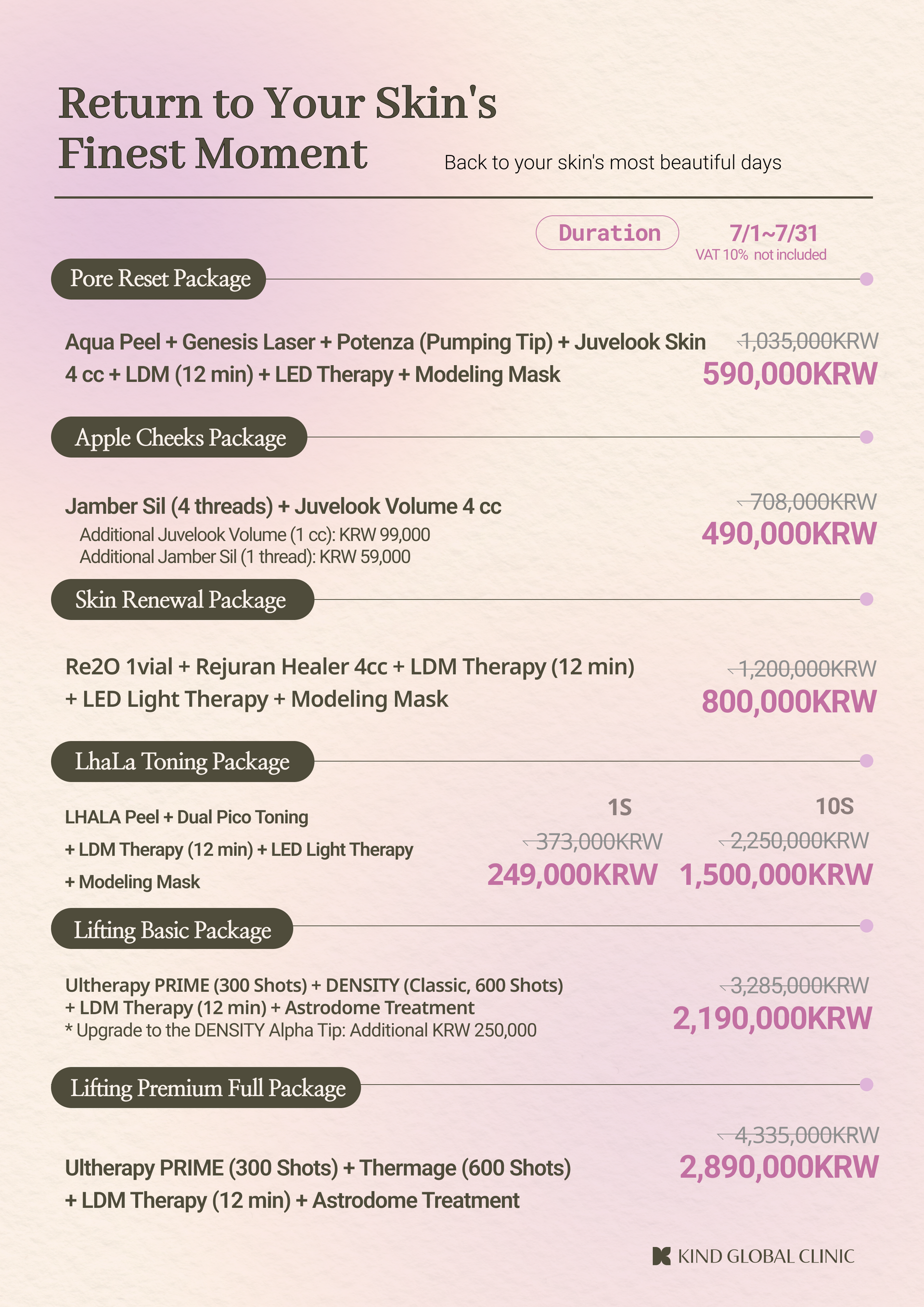
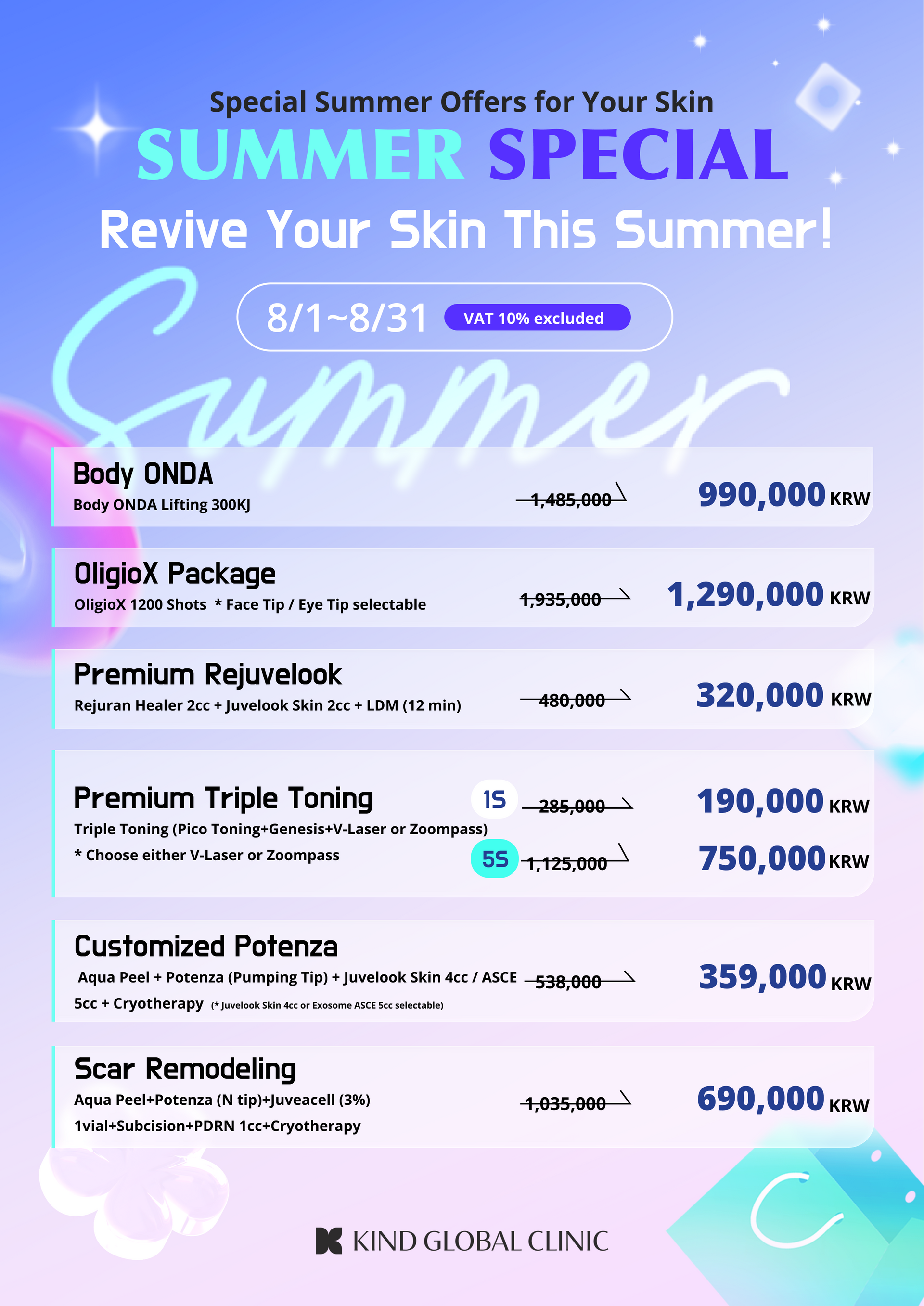
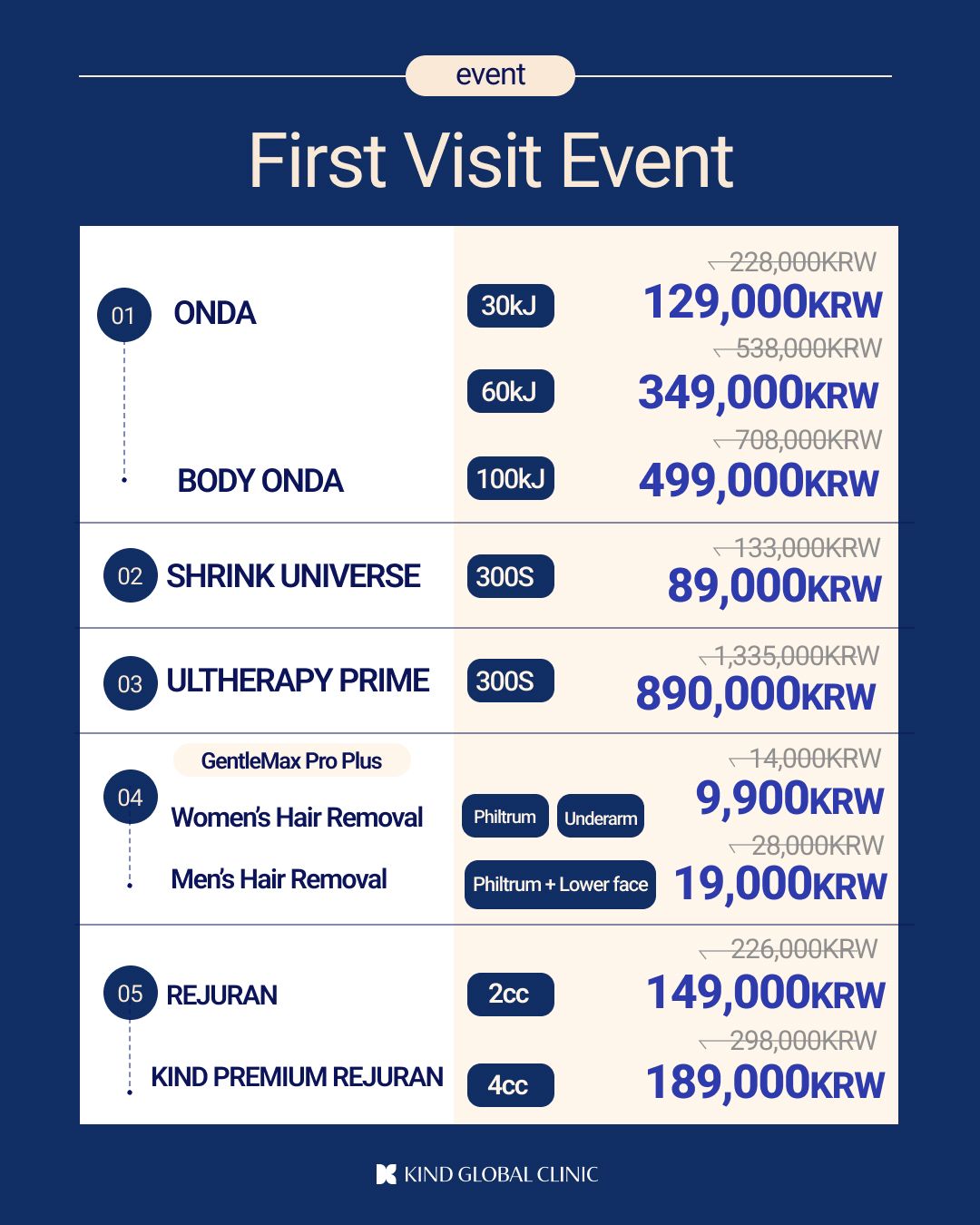
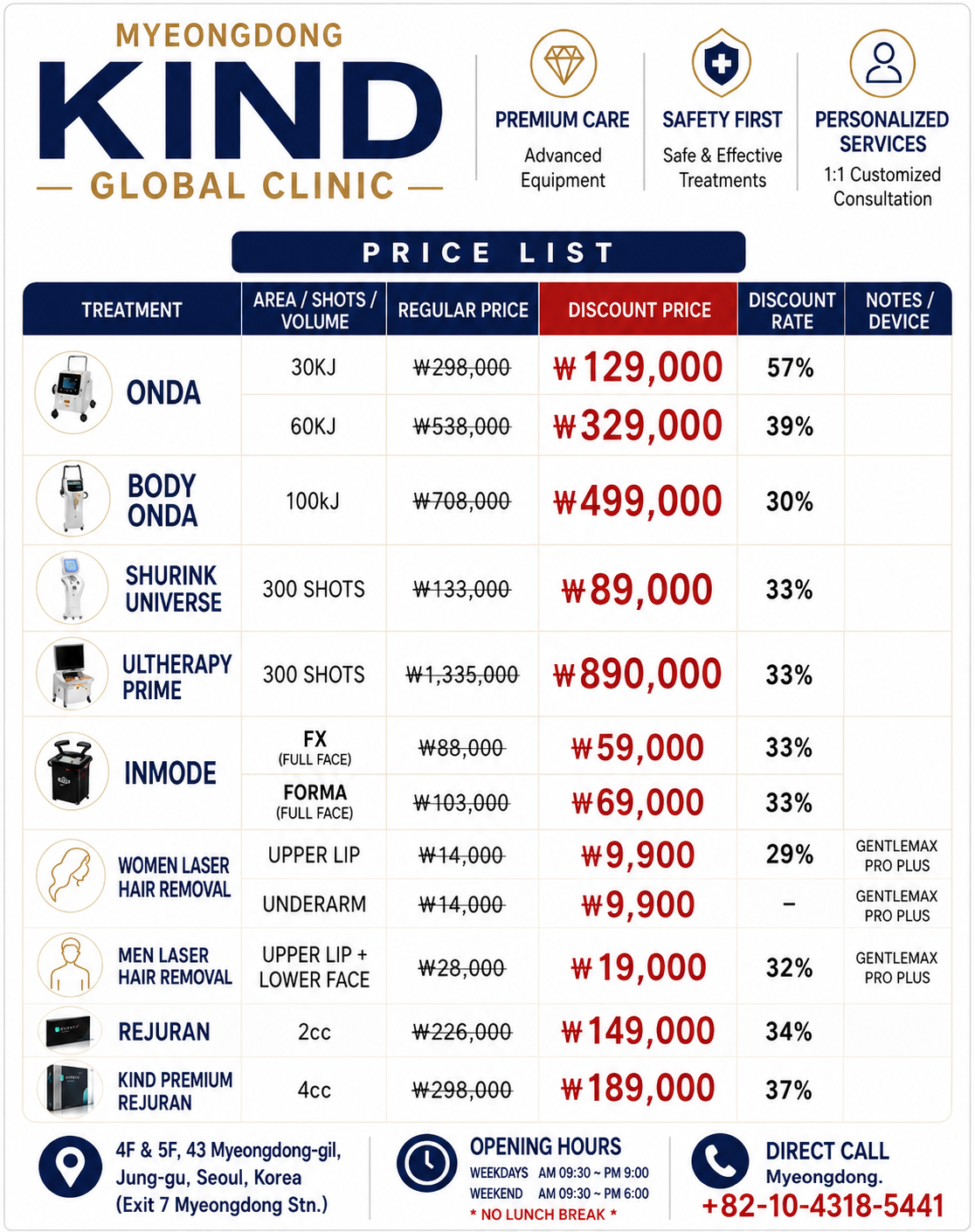
If lifestyle and skincare are not enough, dermatology treatments may address specific causes of reduced skin resilience.
Depending on the individual, options can include:
- Skin boosters
- RF microneedling
- Radiofrequency treatments
- Ultrasound-based procedures
- Selected laser treatments
- Medical skincare
Treatment should be selected according to whether the main concern is hydration, texture, laxity, pigmentation, or volume.
Skin Boosters for Hydration and Skin Quality
Some injectable skin boosters are designed to improve selected aspects of skin quality.
Potential goals may include:
- Hydration
- Fine lines
- Texture
- Elasticity
Temporary swelling, redness, or bruising may occur.
Results vary and maintenance may be required.
RF Microneedling for Skin Firmness
RF microneedling may be considered for patients with concerns involving:
- Mild laxity
- Fine lines
- Acne scars
- Uneven texture
- Enlarged-looking pores
It combines controlled microneedling with radiofrequency energy.
Recovery can include temporary redness and sensitivity.
Radiofrequency Treatments
Radiofrequency procedures may be considered when mild skin laxity is a concern.
They aim to improve selected aspects of firmness through controlled energy delivery.
The expected result is generally gradual rather than dramatic.
Ultrasound-Based Treatments
Ultrasound-based procedures may be appropriate for selected patients with skin laxity.
They target specific tissue depths and are not primarily hydration treatments.
A consultation is important because excessive tightening treatment may not be appropriate for every face.
Laser Treatments for Skin Quality
Different lasers address different concerns.
Depending on the device, treatment may target:
- Pigmentation
- Redness
- Texture
- Fine lines
A laser should be selected according to the underlying skin problem rather than simply because it is popular.
Why Combination Treatment Is Sometimes Used
Reduced skin bounce can have several causes.
For example, one patient may have:
- Dehydration
- Mild collagen loss
- Pigmentation
- Uneven texture
A dermatologist may combine skincare and procedures to address different aspects of the problem.
The objective should be complementary treatment, not simply more treatment.
Who Is a Good Candidate for Skin-Bounce Treatments?
Professional assessment may be useful if you notice:
- Persistent loss of firmness
- Fine lines
- Reduced elasticity
- Dullness
- Uneven texture
- Mild facial laxity
People with significant facial volume loss may require a different approach from those with primarily dehydrated skin.
Skin Bounce vs Facial Volume
These are not the same.
Skin bounce refers mainly to skin resilience, hydration, and elasticity.
Facial volume relates to deeper structures, including fat compartments.
A face can have good skin quality but reduced facial volume, or full facial volume with poor skin texture.
This distinction matters when choosing treatment.
Skin Bounce vs Skin Tightening
Skin bounce is broader than tightness.
A person may want skin that looks:
- Supple
- Hydrated
- Smooth
- Elastic
- Healthy
Aggressive tightening alone may not produce that appearance.
How to Build a Natural Skin-Bounce Routine
Morning
- Gentle cleanser if needed
- Antioxidant or other suitable serum
- Moisturizer
- Broad-spectrum sunscreen
Evening
- Remove makeup and sunscreen
- Gentle cleansing
- Appropriate active treatment
- Moisturizer
Keep the routine consistent rather than constantly adding products.
What Can Damage Skin Bounce?
Several habits can work against healthy skin.
Avoid:
- Smoking
- Excessive sun exposure
- Repeated tanning
- Aggressive scrubbing
- Over-exfoliation
- Poor sleep
- Constantly changing skincare products
Consistency is generally more useful than intensity.
How Long Does It Take to Improve Skin Bounce?
The timeline depends on the cause.
Hydration-related changes may improve relatively quickly.
Texture, pigmentation, and collagen-related changes generally take longer.
Professional procedures also have different timelines, and some require multiple sessions.
Avoid clinics or products that promise immediate permanent restoration of youthful skin.
Tips for International Patients Visiting Korea
If you are visiting Seoul for cosmetic dermatology, schedule treatments around your travel plans.
Tell your clinic:
- How long you will stay
- When you fly home
- Whether you have a photoshoot
- Whether you plan extensive outdoor activities
- Which treatments you have had previously
Some procedures require recovery time.
Choosing a Dermatology Clinic in Seoul
A good clinic should assess the skin before recommending treatment.
Look for a clinic that:
- Explains realistic outcomes
- Discusses alternatives
- Explains downtime
- Reviews potential risks
- Avoids unnecessary procedures
- Provides aftercare instructions
The most expensive treatment is not automatically the most appropriate.
When to Seek Professional Advice
Consult a dermatologist if you notice sudden or unusual changes in skin appearance, especially if they occur with:
- Significant redness
- Persistent irritation
- Unusual bruising
- Rapid changes in pigmentation
- Persistent inflammation
A cosmetic concern can sometimes overlap with an underlying skin condition.
Conclusion
Restoring skin bounce naturally starts with the basics: protect your skin from UV exposure, maintain the skin barrier, moisturize consistently, eat a balanced diet, sleep adequately, exercise, and avoid habits that accelerate visible aging.
These habits cannot stop natural collagen loss, but they can provide a strong foundation for healthier-looking skin.
When additional improvement is appropriate, dermatology treatments in Seoul may address specific concerns such as dehydration, texture, mild laxity, fine lines, and pigmentation. Options can include skin boosters, RF microneedling, radiofrequency procedures, ultrasound-based treatments, selected lasers, and medical skincare.
The most effective approach is rarely about chasing one “miracle” treatment. It is about understanding what your skin actually needs and building a sustainable plan around it.
FAQs
What does skin bounce mean?
Skin bounce generally describes how supple, elastic, hydrated, and resilient the skin appears. It is not a specific medical diagnosis.
Can skin bounce improve naturally?
Yes. Better hydration, consistent sunscreen use, adequate sleep, balanced nutrition, exercise, and gentle skincare can support healthier-looking skin.
Does drinking more water restore skin bounce?
Adequate hydration is important, especially if you are dehydrated, but drinking excessive water does not directly rebuild collagen or reverse skin aging.
What causes loss of skin bounce?
Common contributors include aging, collagen and elastin changes, UV exposure, dehydration, hormonal changes, smoking, lifestyle factors, and changes in facial volume.
Can skin boosters improve skin bounce?
Some skin boosters may improve selected aspects of hydration, elasticity, fine lines, and overall skin quality. Suitability depends on the individual.
Can RF microneedling improve skin firmness?
RF microneedling may help selected patients with mild laxity, fine lines, acne scars, and uneven texture. Results and recovery vary.
What is the best treatment for skin bounce in Seoul?
There is no single best treatment. The appropriate option depends on whether the main concern involves hydration, texture, pigmentation, laxity, or facial volume.
How can I maintain skin bounce as I age?
Daily sunscreen, moisturization, appropriate skincare, healthy lifestyle habits, adequate sleep, and individualized dermatology care can help maintain skin quality over time.