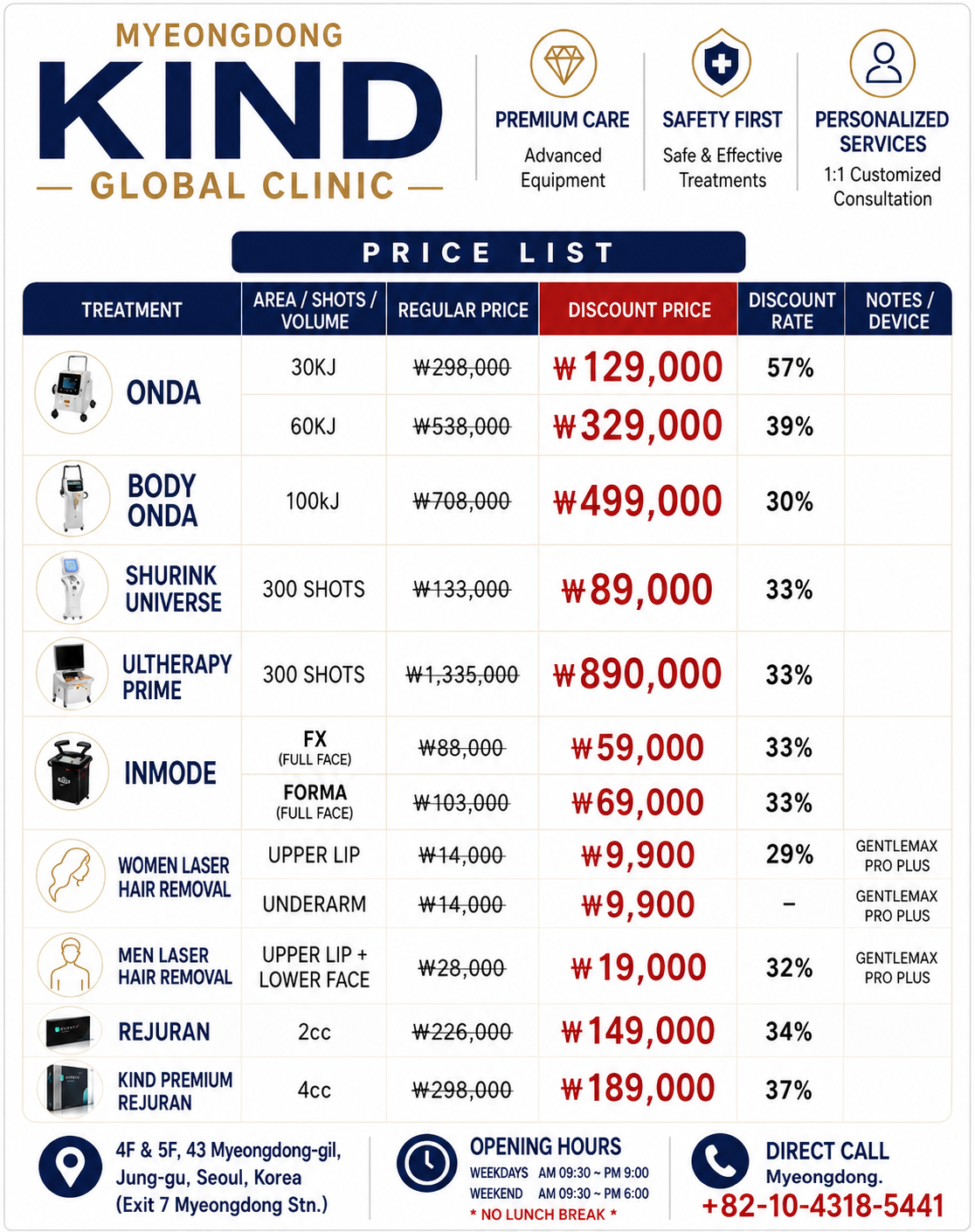
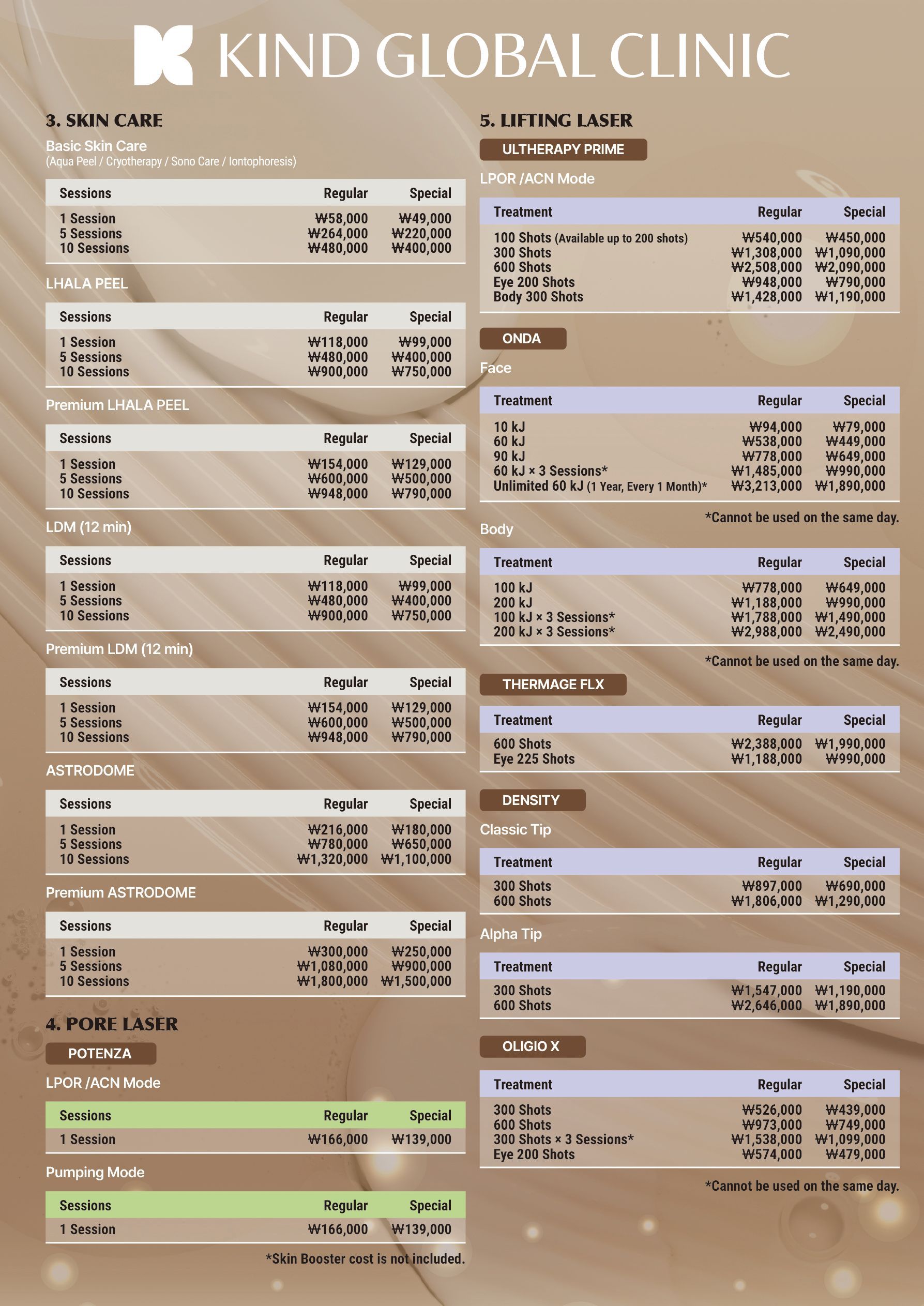
Combination Treatments Before Your Plastic Surgery Consultation in Korea
Introduction
Preparing for a plastic surgery consultation in Korea is not always about undergoing cosmetic procedures beforehand. In many cases, the most useful preparation is understanding your skin condition, facial anatomy, previous treatments, and the specific concerns you want to discuss with your surgeon.
Some patients consider cosmetic dermatology treatments before their consultation because they want to improve skin quality, pigmentation, acne, or inflammation. Others may be interested in non-surgical treatments while deciding whether surgery is actually necessary. A carefully planned approach can help you arrive at your consultation with clearer expectations and a better understanding of your options.
However, undergoing injectable or energy-based procedures immediately before a surgical consultation can sometimes make assessment more difficult. Temporary swelling, inflammation, or altered facial contours may affect the surgeon's evaluation. For this reason, treatment timing matters.
Why Consider Combination Treatments Before a Plastic Surgery Consultation?
Not Every Concern Requires Surgery
A patient may initially think they need surgery because of:
- Facial laxity
- Fine lines
- Uneven skin
- Facial volume loss
- Enlarged pores
- Acne scars
- Pigmentation
- Mild facial asymmetry
Some of these concerns may be improved with cosmetic dermatology treatments, while others may require surgical correction.
The purpose of a combination plan should be to understand which concerns actually require surgery.
Start With a Professional Assessment
Know What You Want to Improve
Before scheduling multiple treatments, identify your main concerns.
For example:
Skin quality: Rejuran, skin boosters, selected lasers
Pigmentation: Pico laser or other appropriate laser treatment
Mild laxity: selected skin-tightening procedures
Volume loss: fillers or fat grafting assessment
Significant excess skin: surgical consultation
This distinction can prevent unnecessary treatment.
Why Treatment Timing Matters
Temporary Changes Can Affect Surgical Assessment
Some cosmetic procedures can cause:
- Swelling
- Bruising
- Redness
- Tenderness
- Temporary volume changes
- Skin sensitivity
If these changes occur immediately before a plastic surgery consultation, they may make it harder to evaluate the patient's baseline appearance.
Several Weeks Before Your Consultation
This Is the Best Time for Longer-Term Skin Treatments
If appropriate, treatments such as:
- RF microneedling
- Pico laser
- Rejuran
- Juvelook
- Skin boosters
can potentially be completed well before the consultation.
This allows the skin to settle and provides a more stable appearance for assessment.
Pico Laser Before a Plastic Surgery Consultation
For Pigmentation and Uneven Skin Tone
Pico laser may be considered for selected pigmentation concerns.
It can help improve the appearance of uneven tone without changing the underlying facial structure.
This can be useful when the consultation is primarily focused on surgery but the patient also wants to manage skin quality.
Pico Laser + Skin Booster
Tone and Hydration
For patients with both pigmentation and dehydrated-looking skin, Pico laser and a skin booster may address separate concerns.
Pico laser can target selected pigment-related issues, while the skin booster focuses on hydration and skin quality.
The treatments should be scheduled with enough recovery time before the consultation.
Rejuran Before a Plastic Surgery Consultation
Improve Skin Quality Without Major Structural Changes
Rejuran may be considered for:
- Fine lines
- Thin-looking skin
- Reduced elasticity
- Uneven texture
- Dehydration
Because Rejuran involves injections, it should not be performed immediately before a surgical assessment.
Juvelook Before Your Consultation
Gradual Skin Improvement
Juvelook may be considered for selected concerns involving:
- Fine lines
- Texture
- Collagen support
- Overall skin quality
It should be completed early enough for any injection-related effects to settle.
Skin Boosters Before Plastic Surgery
Useful for Skin Quality but Not a Substitute for Surgery
Skin boosters may improve the appearance of dehydrated or dull skin.
However, they do not replace procedures designed to address:
- Significant excess skin
- Advanced facial laxity
- Major structural changes
They can be complementary rather than surgical alternatives.
Thermage Before a Plastic Surgery Consultation
Consider Whether You Actually Need Tightening
Thermage may be considered for selected mild skin-laxity concerns.
However, if you are considering a facelift or another surgical procedure, discuss your goals with the surgeon before undergoing multiple tightening treatments.
Repeated energy-based treatments may not be appropriate for every patient.
Ultherapy Before a Plastic Surgery Consultation
Do Not Automatically Treat Before Seeing the Surgeon
Ultherapy can be considered for selected laxity concerns, but patients considering surgery may benefit from receiving a surgical assessment first.
A surgeon can determine whether non-surgical tightening is likely to provide enough improvement.
Sofwave Before a Surgical Consultation
Potentially Useful for Mild Laxity
Sofwave may be considered when the patient has mild laxity and wants non-surgical improvement.
If significant skin excess is present, however, a surgical consultation may be more informative.
Oligio and XERF
Non-Surgical Firming Options
Oligio and XERF may be considered for selected patients with mild to moderate skin laxity.
The appropriate treatment depends on facial anatomy, degree of laxity, and the patient's overall treatment plan.
Botox Before a Plastic Surgery Consultation
Timing Is Important
Botox can temporarily alter muscle activity and facial movement.
If you are consulting a surgeon about:
- Forehead appearance
- Brow position
- Frown lines
- Facial asymmetry
- Upper-face aging
it may be useful to tell the surgeon exactly when and where Botox was performed.
Fillers Before a Plastic Surgery Consultation
Always Disclose Previous Filler
If you have existing filler, tell your surgeon:
- Where it was injected
- When it was injected
- What product was used, if known
- Whether it has been dissolved
- Whether complications occurred
Existing filler can affect facial anatomy and surgical planning.
Should You Get New Fillers Before Surgery?
Usually Discuss Surgery First
If you are considering a surgical procedure, adding new filler immediately before the consultation may complicate assessment.
A surgeon should first determine whether the facial concern is better addressed surgically or non-surgically.
Facial Volume Loss Before Surgery
Understand Whether You Need Volume or Tissue Repositioning
Facial aging can involve both volume loss and tissue descent.
A hollow cheek may sometimes be treated with filler or fat grafting, while sagging tissue may require a lifting procedure.
The consultation should determine which issue is dominant.
Ozempic Face and Plastic Surgery Consultation
Weight Stability Can Matter
Patients who have experienced substantial weight loss may notice:
- Facial hollowing
- Loose skin
- Reduced cheek volume
- More prominent folds
If significant additional weight loss is expected, tell the surgeon.
Future weight changes can affect long-term surgical results and treatment planning.
Combination Treatments for Skin Texture
Address Surface Concerns Separately
If your main surgical concern is facial laxity but you also have acne scars or enlarged pores, dermatologic treatments may address the surface-level problem.
Potential options include:
- RF microneedling
- Fractional laser
- Pico laser
- Skin boosters
- Rejuran
These treatments do not replace surgery but may complement a broader aesthetic plan.
Combination Treatments for Acne Scars
Surgery and Scar Treatment Have Different Goals
Acne scars may require treatments such as:
- RF microneedling
- Fractional laser
- Subcision
- Selected injectable treatments
- Collagen-stimulating procedures
If you are considering facial surgery at the same time, tell the surgeon about your acne-scar treatment plan.
Combination Treatments for Enlarged Pores
Do Not Expect Surgery to Fix Pores
Facial surgery can improve contour and laxity but generally does not directly eliminate enlarged pores.
If pores are a major concern, dermatology treatments may be more appropriate.
Combination Treatments for Pigmentation
Laser and Skincare May Be More Relevant
Pigmentation is primarily a skin-quality concern.
Depending on the cause, treatment may include:
- Pico laser
- Laser toning
- Medical skincare
- Sun protection
A plastic surgery consultation can be combined with a separate dermatology evaluation when appropriate.
Combination Treatments for Fine Lines
Determine Whether They Are Dynamic or Structural
Fine lines may result from:
- Facial movement
- Skin dehydration
- Collagen loss
- Skin laxity
- Volume changes
Botox, skin-quality treatments, fillers, or surgery may address different causes.
Can Non-Surgical Treatments Replace Plastic Surgery?
Sometimes, But Not Always
Non-surgical treatments may be effective for:
- Mild laxity
- Fine lines
- Pigmentation
- Skin texture
- Early volume loss
They are less likely to fully correct substantial:
- Excess skin
- Advanced tissue descent
- Major structural concerns
A consultation can clarify the difference.
When Surgery May Be More Appropriate
Significant Laxity Has Limits With Non-Surgical Treatment
Surgery may be considered when a patient has:
- Significant jowling
- Advanced neck laxity
- Excess facial skin
- Pronounced tissue descent
- Major structural concerns
Non-surgical procedures should not be used indefinitely when they cannot provide the desired degree of correction.
Should You Do Dermatology and Plastic Surgery Consultations on the Same Trip?
Korea Can Make This Practical
International patients may choose to schedule both consultations during one visit.
For example:
Day 1: plastic surgery consultation
Day 2: dermatology consultation
Day 3: treatment planning
This can help patients understand whether surgery, dermatology treatments, or a combination is most appropriate.
If You Have Only One Week in Korea
Consult Before Booking Multiple Procedures
A practical schedule could be:
Day 1: consultation
Day 2: second opinion or dermatology assessment
Day 3: treatment if appropriate
Day 4–5: recovery or observation
Day 6: follow-up
Day 7: departure
This is only an example. Surgical procedures require significantly more recovery time.
Preparing for Your Plastic Surgery Consultation
Bring Your Medical and Cosmetic Treatment History
If possible, prepare information about:
- Previous surgeries
- Previous fillers
- Botox treatments
- Laser treatments
- Allergies
- Medications
- Previous complications
- Current skincare
Photographs from before major cosmetic changes can also help the surgeon understand how your face has changed.
Questions to Ask the Surgeon
Make the Consultation More Useful
Ask:
What is causing my main concern?
Would surgery or non-surgical treatment provide a better result?
Would I benefit from a combination approach?
Could additional filler interfere with surgery?
Should I stop certain treatments before surgery?
How long should I wait between cosmetic treatments and surgery?
What recovery time should I expect?
Questions to Ask a Dermatologist
Separate Skin Quality From Structural Concerns
Ask:
Which of my concerns are skin-related?
Which treatments can improve texture or pigmentation?
Would tightening treatment be worthwhile before surgery?
Could a treatment change my surgical assessment?
Which procedures should be delayed until after surgery?
Avoid Over-Treating Before Surgery
More Treatments Do Not Always Mean Better Results
A common mistake is undergoing multiple procedures simply because they are available.
Too many treatments can lead to:
- Increased swelling
- Skin irritation
- Unclear baseline anatomy
- More recovery
- Higher cost
A strategic approach is usually better.
Post-Consultation Treatment Planning
Create a Sequence Instead of Doing Everything at Once
A long-term plan may look like:
Consultation
→ Surgical decision
→ Surgery if appropriate
→ Recovery
→ Skin-quality maintenance
→ Long-term dermatology treatments
This sequence may produce a more coherent overall result.
Choosing a Plastic Surgery Clinic in Korea
Look for Individualized Assessment
When selecting a clinic, consider whether the surgeon:
- Performs a detailed consultation
- Reviews your medical history
- Explains realistic outcomes
- Discusses alternatives
- Explains potential risks
- Provides aftercare information
- Has experience with international patients
Do not select a surgeon solely because of social-media popularity.
Conclusion
Combination treatments before your plastic surgery consultation in Korea can be useful when they address genuine skin-quality concerns, but they should not interfere with the surgeon's ability to evaluate your natural facial anatomy.
Pico laser, Rejuran, Juvelook, skin boosters, RF microneedling, Botox, and selected skin-tightening treatments may address concerns such as pigmentation, texture, dehydration, fine lines, or mild laxity. However, fillers and other procedures that change facial volume should be discussed carefully before a surgical assessment.
For patients considering plastic surgery in Korea, the most effective strategy is usually to consult first, understand which concerns truly require surgery, and then build a combination treatment plan around that decision.
FAQs
Should I get cosmetic dermatology treatment before a plastic surgery consultation?
It depends on your goals. Skin-quality treatments may be appropriate, but procedures that cause swelling or change facial volume should be discussed with the surgeon first.
Can I get filler before a plastic surgery consultation?
It may be better to consult the surgeon first, particularly if the planned surgery involves facial contouring or lifting.
Can Botox affect a plastic surgery consultation?
Botox can alter muscle activity, so tell the surgeon when and where it was performed.
Can Rejuran be done before plastic surgery?
It may be appropriate for selected skin-quality concerns, but sufficient time should be allowed for temporary injection effects to resolve.
Should I get Thermage before a facelift consultation?
It may be worth discussing your skin-laxity concerns with the surgeon before undergoing additional tightening treatments.
Can non-surgical treatments replace a facelift?
They may improve mild laxity, but significant excess skin and advanced tissue descent may require surgical treatment.
Can I have a plastic surgery and dermatology consultation during the same trip to Korea?
Yes. Many international patients can schedule consultations with different specialists during one trip, provided enough time is allowed between appointments.
What should I bring to a Korean plastic surgery consultation?
Bring information about previous surgeries, fillers, Botox, laser treatments, medications, allergies, complications, and your current treatment goals.