Best Treatments for Skin That Lost Elasticity After Pregnancy in Korea
Introduction
Pregnancy can bring significant changes to the skin and body. After pregnancy, some people notice that the facial skin feels softer, less firm, thinner, or less elastic than before. These changes can be influenced by hormonal fluctuations, weight changes, sleep disruption, stress, dehydration, and the natural aging process.
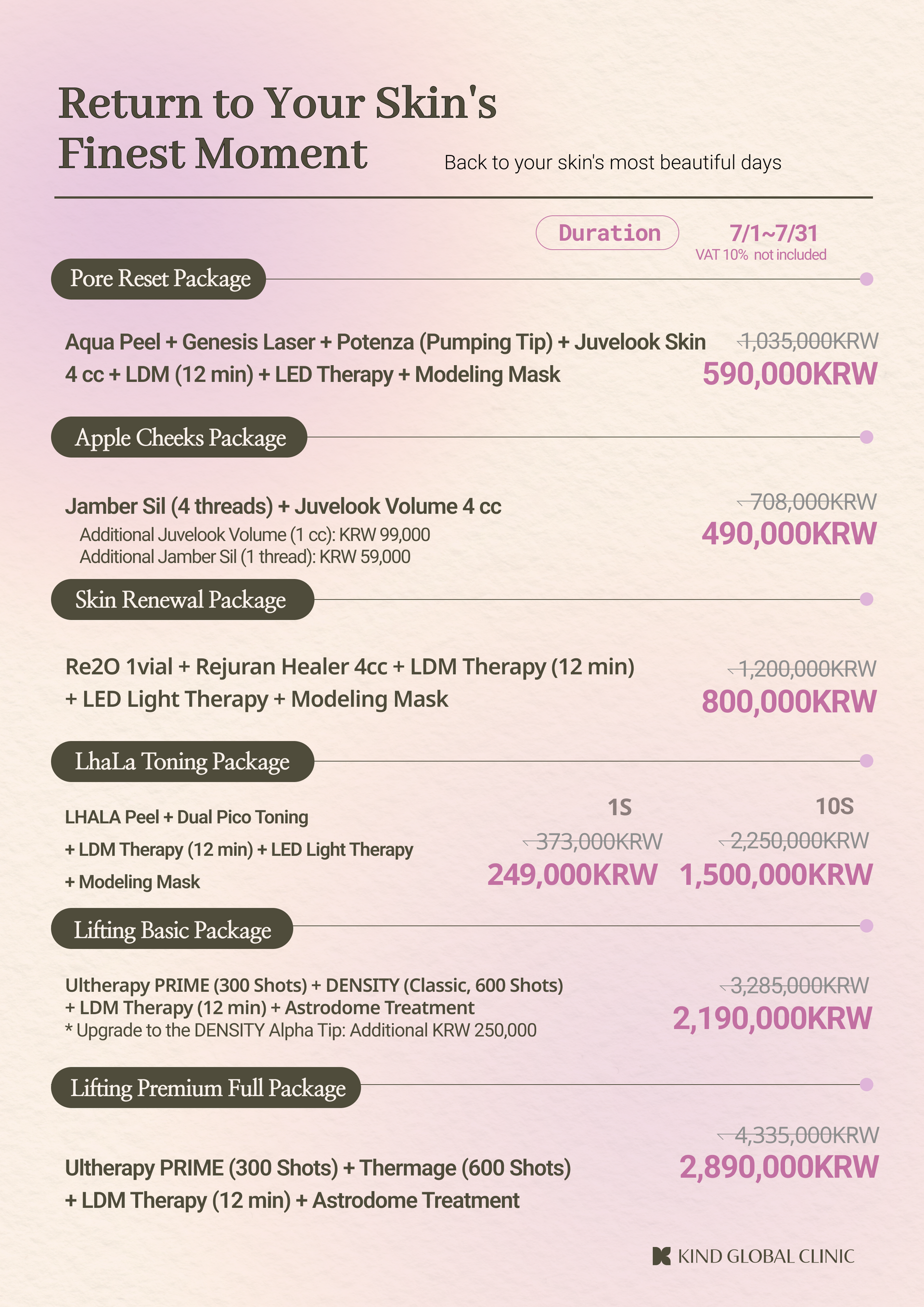
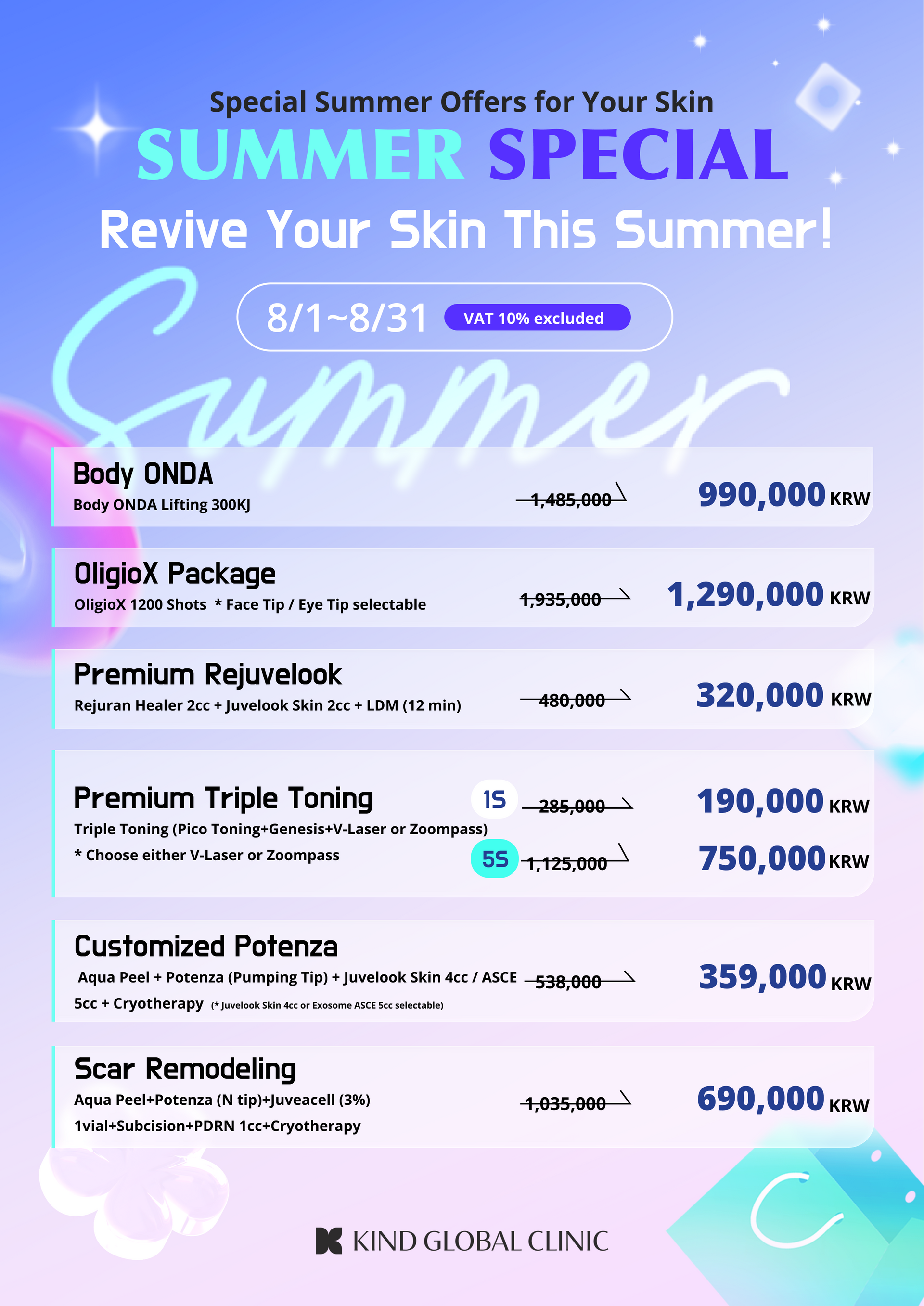
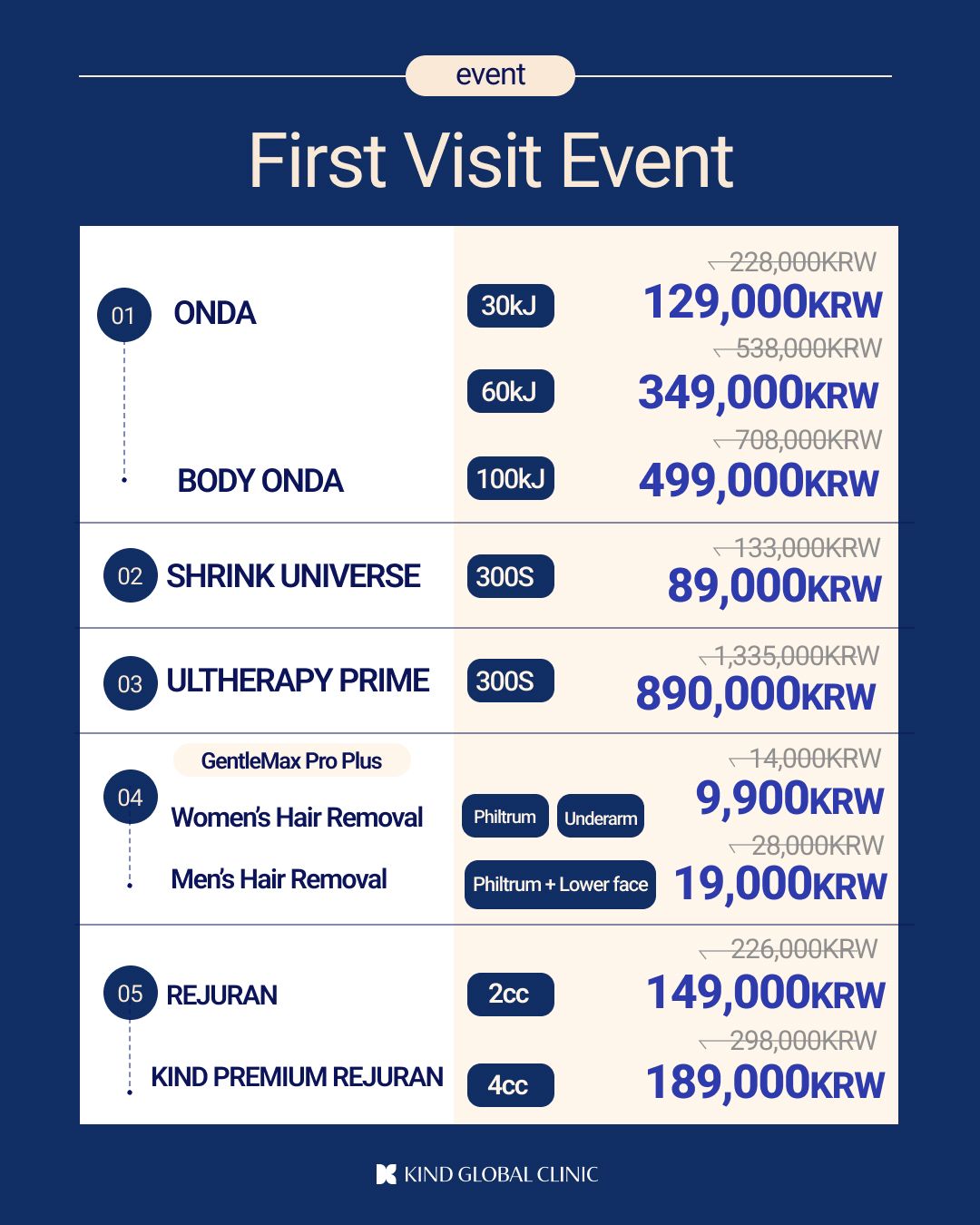
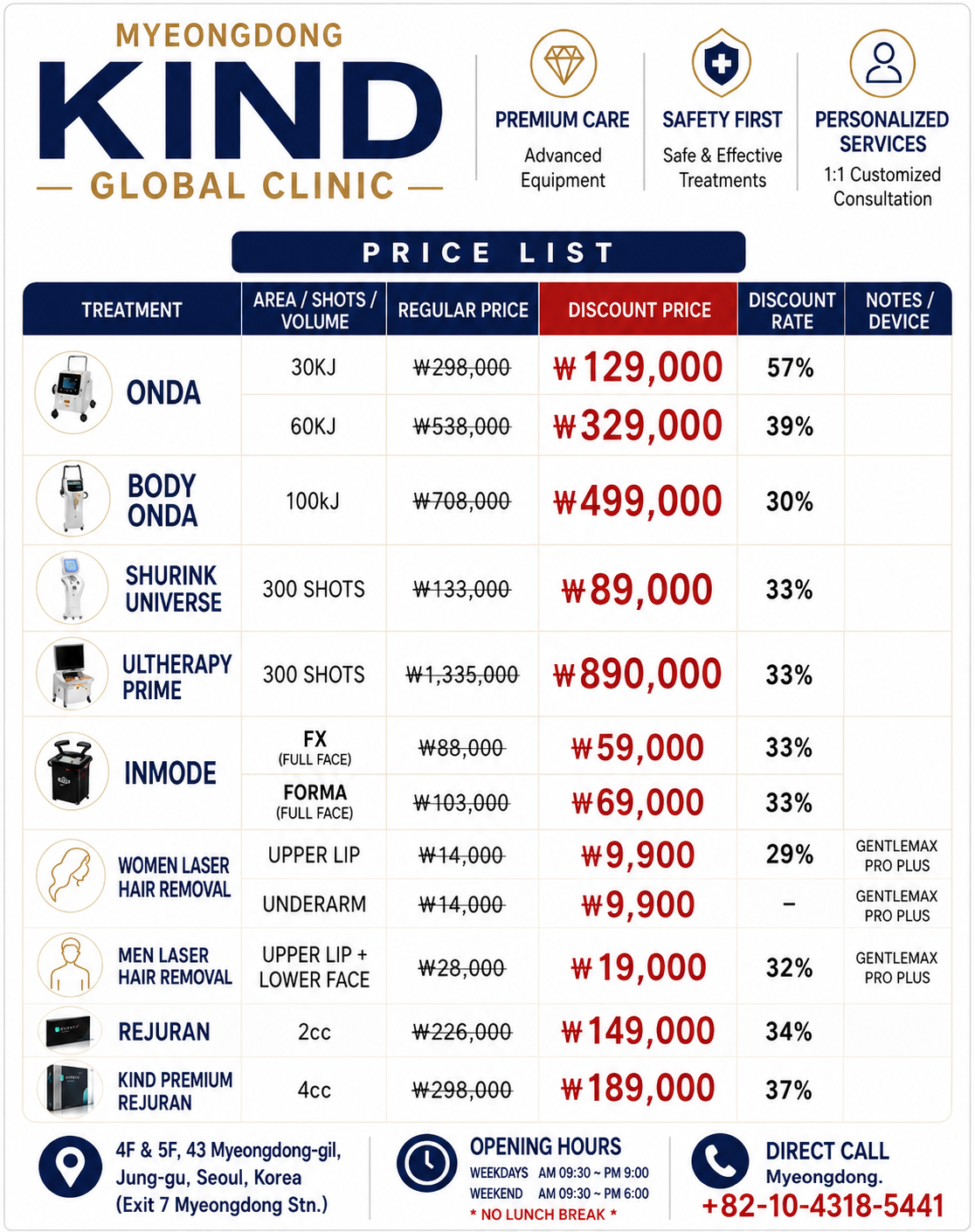
Not everyone experiences the same degree of postpartum skin changes. Some people mainly notice dryness or dullness, while others are more concerned about facial laxity, fine lines, loss of firmness, or changes in facial volume. In Korea, non-surgical options such as RF treatments, Thermage, Ultherapy, Sofwave, Oligio, XERF, Rejuran, Juvelook, skin boosters, and RF microneedling may be considered according to the individual's skin condition.
Why Can Skin Lose Elasticity After Pregnancy?
Hormonal Changes
Pregnancy involves major hormonal changes that can affect the skin's hydration, oil balance, pigmentation, and overall appearance.
After delivery, hormonal fluctuations may continue for some time, meaning the skin may not immediately return to its previous appearance.
Weight Changes
Pregnancy and the postpartum period can involve significant changes in body weight.
Rapid weight loss may contribute to a less supported or less firm facial appearance in some people.
Reduced Skin Hydration
Busy postpartum schedules, reduced sleep, stress, and changes in skincare routines can contribute to dehydration.
Dehydrated skin can make fine lines and loss of firmness appear more noticeable.
Natural Collagen Loss
Pregnancy does not stop the normal aging process.
If postpartum skin changes occur during the 30s or 40s, pregnancy-related changes may overlap with age-related collagen and elasticity changes.
Best Treatments for Postpartum Skin Elasticity
Rejuran for Skin Quality
Rejuran may be considered when postpartum skin appears thin, dry, or less resilient.
It focuses primarily on overall skin quality rather than creating a strong lifting effect.
Potential treatment goals may include:
- Improving the appearance of thin-looking skin
- Supporting overall skin quality
- Improving the appearance of fine lines
- Addressing dehydration-related dullness
- Supporting a smoother-looking complexion
Juvelook for Early Collagen Loss
Juvelook may be considered for selected patients experiencing early loss of firmness and uneven texture.
It can be particularly relevant when reduced elasticity occurs together with:
- Fine lines
- Enlarged pores
- Rough texture
- Early signs of collagen loss
- Mild skin laxity
Skin Boosters for Dehydrated Postpartum Skin
Skin boosters may be considered when dehydration is an important part of the problem.
They can focus on improving hydration and suppleness rather than directly tightening significantly loose skin.
Potential benefits may include:
- Better hydration
- Softer-looking skin
- Improved suppleness
- Fresher-looking complexion
- Less noticeable dehydration lines
RF Microneedling for Postpartum Skin
Texture and Firmness
RF microneedling may be considered when reduced elasticity occurs alongside uneven texture or enlarged pores.
The treatment combines microneedling with radiofrequency energy and may support collagen remodeling.
It may be particularly relevant when postpartum skin concerns include:
- Fine lines
- Enlarged pores
- Uneven texture
- Mild laxity
- Acne scars
However, RF microneedling can involve temporary redness or sensitivity, so it should not automatically be considered a zero-downtime treatment.
Thermage for Postpartum Skin Firmness
Non-Surgical Tightening
Thermage may be considered for selected patients who notice reduced firmness after pregnancy.
It is primarily a skin-firming treatment and may be more appropriate when the main concern is mild laxity rather than significant facial volume loss.
Potential treatment goals can include:
- Improving the appearance of skin firmness
- Supporting a tighter-looking facial contour
- Addressing early laxity
- Improving the appearance of fine lines associated with reduced firmness
Thermage cannot remove substantial excess skin or restore major volume loss.
Ultherapy for Postpartum Skin Laxity
Focused Non-Surgical Lifting
Ultherapy may be considered when postpartum skin changes involve mild-to-moderate laxity.
It focuses on deeper tissue layers rather than simply hydrating the surface.
A consultation is important because not every person with postpartum skin concerns needs a lifting treatment.
Sofwave for Early Loss of Elasticity
A Non-Surgical Firming Option
Sofwave may be considered for selected patients who have early skin laxity and want a non-surgical treatment.
It may be appropriate when the skin feels less firm but there is no major excess skin.
Oligio and XERF for Skin Firmness
Radiofrequency-Based Options
Oligio and XERF are RF-based treatments that may be considered for selected patients with early skin laxity and reduced firmness.
They may fit into a broader skin-maintenance program when the goal is gradual improvement rather than surgical correction.
How to Choose the Right Treatment
Identify What Actually Changed
Postpartum skin elasticity problems can look similar but have different causes.
A dermatologist may evaluate:
- Skin laxity
- Hydration
- Collagen loss
- Facial volume
- Fine lines
- Pigmentation
- Texture
- Pore visibility
This distinction is important because a tightening treatment will not necessarily correct facial volume loss or dehydration.
Postpartum Skin With Facial Volume Loss
Laxity Is Not Always the Main Issue
Some people notice that the face looks thinner or more hollow after pregnancy-related weight changes.
In this situation, tightening the skin alone may not produce the desired appearance.
A clinician should determine whether the primary concern is:
- Loss of facial fat
- Skin laxity
- Dehydration
- Muscle-related changes
- A combination of these factors
Postpartum Fine Lines
Treat the Skin Quality
If fine lines are the main concern, treatment may focus on hydration and collagen support.
Possible options may include:
- Rejuran
- Juvelook
- Skin boosters
- RF microneedling
- Botox for selected expression lines
The appropriate choice depends on the type of fine line.
Postpartum Pigmentation
Melasma Requires Special Attention
Hormonal changes associated with pregnancy can contribute to melasma.
If pigmentation remains after pregnancy, treatment should be carefully planned because aggressive treatment can sometimes worsen pigmentation.
Sun protection is especially important.
When Should You Start Treatment After Pregnancy?
Allow the Body to Stabilize
There is no single treatment timeline that applies to everyone.
Timing can depend on:
- Recovery after delivery
- Breastfeeding status
- Hormonal changes
- Weight stability
- Medications
- Overall health
- The specific aesthetic treatment
Anyone considering elective aesthetic treatment after pregnancy should discuss appropriate timing with a qualified medical professional.
Postpartum Skincare Routine
Focus on Skin Barrier Support
A simple routine can help support skin quality while considering professional treatment.
Useful components may include:
- Gentle cleanser
- Hydrating moisturizer
- Broad-spectrum sunscreen
- Antioxidant skincare when appropriate
- Carefully selected anti-aging ingredients
If breastfeeding, medication or ingredient choices should be discussed with an appropriate healthcare professional.
Best Treatments for Postpartum Skin in Your 30s
Focus on Early Skin Aging
For people in their 30s, the main concern may be early loss of firmness rather than significant laxity.
Depending on the individual, treatment may include:
- Rejuran
- Juvelook
- Skin boosters
- RF microneedling
- Sofwave
- Selected RF treatments
A conservative approach may be appropriate.
Best Treatments for Postpartum Skin in Your 40s
Address Multiple Aging Factors
In the 40s, postpartum skin concerns may overlap with normal age-related changes.
Treatment may need to address several concerns simultaneously:
- Reduced elasticity
- Fine lines
- Pigmentation
- Dryness
- Enlarged pores
- Facial contour changes
A combination plan may therefore be more useful than a single procedure.
Can Postpartum Skin Regain Its Elasticity Naturally?
Some Improvement May Occur
The skin and body can continue changing after pregnancy.
However, the degree of natural recovery varies between individuals.
Factors such as age, genetics, weight changes, skin condition, and the amount of previous sun exposure can all influence the final appearance.
Can Non-Surgical Treatments Replace Surgery?
Not in Every Case
Non-surgical treatments can be useful for mild or moderate concerns.
They are generally not equivalent to surgery when there is substantial excess skin or significant structural change.
A consultation can help determine whether non-surgical treatment is realistic for the desired result.
Combining Postpartum Skin Treatments
Rejuran + Skin Booster
This combination may be considered when reduced skin quality occurs alongside dehydration.
RF Microneedling + Rejuran
This may be considered when skin laxity occurs with uneven texture, pores, or fine lines.
Thermage + Rejuran
For selected patients, a tightening-focused treatment and a skin-quality treatment may address different aspects of aging skin.
Sofwave + Skin Booster
This combination may be considered when early firmness loss occurs together with dehydrated skin.
Treatments should be appropriately spaced according to professional recommendations.
How Many Sessions Are Needed?
Treatment Plans Are Individual
There is no universal number of sessions.
The required treatment frequency depends on:
- Degree of laxity
- Age
- Skin quality
- Treatment selected
- Previous aesthetic procedures
- Desired outcome
- Individual response
Some procedures may be performed periodically, while others may be recommended as a series.
What International Patients Should Know
Plan Your Korea Treatment Carefully
If you are traveling to Korea for postpartum skin treatment, consider:
- Consultation before treatment
- Recovery time
- Number of planned sessions
- Follow-up requirements
- Sun exposure during sightseeing
- Travel dates
- Your current postpartum status
Do not schedule several intensive procedures simply because you have limited time in Korea.
Questions to Ask a Korean Dermatologist
Build a Personalized Treatment Plan
Before treatment, ask:
- Is my main problem skin laxity or facial volume loss?
- Would RF treatment be appropriate for my skin?
- Would Rejuran or Juvelook improve my skin quality?
- Do I need a skin booster for dehydration?
- Would Thermage, Ultherapy, or Sofwave be appropriate?
- How much downtime should I expect?
- How many sessions might I need?
- How should I plan treatment around breastfeeding or postpartum recovery?
Conclusion
Skin that loses elasticity after pregnancy can be influenced by several factors, including hormonal changes, weight fluctuations, dehydration, lifestyle changes, collagen loss, and natural aging. Because these factors vary from person to person, there is no single best postpartum skin-tightening treatment.
In Korea, options such as Thermage, Ultherapy, Sofwave, Oligio, XERF, RF microneedling, Rejuran, Juvelook, and skin boosters may be considered for different types of postpartum skin concerns.
The most effective approach is to identify whether the main problem is laxity, dehydration, collagen loss, texture, or facial volume change. A personalized treatment plan can then target the specific concern while keeping the result natural and appropriate for the patient's postpartum stage.
FAQ
What is the best treatment for skin that lost elasticity after pregnancy?
The best treatment depends on the degree and cause of the elasticity loss. RF treatments, Thermage, Ultherapy, Sofwave, Rejuran, Juvelook, and RF microneedling may be considered for selected patients.
Can Thermage tighten postpartum skin?
Thermage may improve the appearance of mild skin laxity and firmness, but it cannot remove substantial excess skin.
Can Rejuran help postpartum skin?
Rejuran may be considered when postpartum skin appears thin, dry, or less elastic and the primary goal is improving skin quality.
Can Juvelook improve postpartum skin elasticity?
Juvelook may be considered for selected patients with early collagen loss, fine lines, and reduced firmness.
Is RF microneedling suitable after pregnancy?
It may be appropriate for selected patients, particularly when reduced firmness occurs alongside uneven texture or enlarged pores. Timing should be determined according to postpartum recovery and medical circumstances.
When can I have aesthetic treatment after giving birth?
There is no universal timeline. Recovery, breastfeeding, medications, hormonal changes, and overall health should be considered before elective treatment.
Can postpartum facial volume loss be treated with skin tightening?
Not necessarily. If the main problem is loss of facial volume, tightening alone may not address the underlying concern.
Can postpartum skin return to normal naturally?
Some improvement may occur naturally, but the degree varies significantly between individuals.