One-Year Korean Combination Treatment Plan in Korea
Introduction
A one-year Korean combination treatment plan can be a practical way to approach skin aging without relying on a single procedure. Instead of trying to complete every available treatment during one visit, a year-long strategy allows different concerns to be addressed at different times. Skin tightening, pigmentation, acne scars, hydration, fine lines, pores, and overall skin quality do not necessarily require the same technology.
A personalized annual plan may combine energy-based treatments, injectables, lasers, skin boosters, and professional skincare. The exact treatments should depend on the patient's skin condition, age, medical history, previous procedures, and goals. The purpose is not to undergo treatment every month simply because a schedule exists, but to use the right treatment at the right time.
Why Consider a One-Year Treatment Plan?
Skin Changes Continuously Throughout the Year
Skin does not remain static.
It can change because of:
- Seasonal weather
- Sun exposure
- Stress
- Hormonal changes
- Aging
- Weight fluctuations
- Travel
- Lifestyle
- Skincare habits
A treatment that is appropriate in winter may not be the priority during summer.
An annual plan allows adjustments based on how your skin responds.
The Main Goals of an Annual Korean Skin Plan
Focus on Several Categories
A comprehensive plan may address:
- Skin tightening
- Collagen stimulation
- Pigmentation
- Fine lines
- Acne scars
- Enlarged pores
- Hydration
- Skin texture
- Preventive anti-aging care
Not every patient needs every category.
How a Korean Dermatologist Builds the Plan
Assessment Comes Before Treatment
A dermatologist should evaluate:
- Skin type
- Pigmentation
- Elasticity
- Laxity
- Pore appearance
- Acne or acne scars
- Facial volume
- Previous treatments
- Current skincare
This assessment determines which procedures are appropriate.
Month One: Baseline Skin Assessment
Start With a Clear Understanding of Your Skin
The first month should establish your baseline.
A consultation may identify:
- Primary concerns
- Secondary concerns
- Previous treatment history
- Current skincare routine
- Sun exposure
- Sensitivity
- Treatment priorities
Starting with too many procedures can make it difficult to determine which treatment actually helped.
Month Two: Skin Quality Treatment
Focus on Hydration and Texture
If your skin is dry, dull, rough, or lacking elasticity, a skin-quality treatment may be considered.
Potential options can include selected:
- Skin boosters
- Rejuran
- Hydrating treatments
- Medical-grade skincare
The exact product should depend on your skin.
Month Three: Laser or Pigmentation Management
Address Uneven Tone
Patients with pigmentation may consider laser-based treatment when clinically appropriate.
Possible concerns include:
- Sun spots
- Uneven pigmentation
- Dullness
- Post-inflammatory pigmentation
Melasma requires particularly careful treatment because aggressive procedures can sometimes worsen pigmentation.
Month Four: Collagen Stimulation
Focus on Early Aging and Texture
A collagen-focused treatment may be considered when the skin needs:
- Better firmness
- Improved texture
- Reduced fine lines
- More elasticity
Potential technologies include selected radiofrequency, ultrasound, or RF microneedling treatments.
The appropriate procedure depends on the concern.
Month Five: Maintenance and Recovery
Not Every Month Needs a Procedure
A major advantage of a yearly plan is that some months can focus on maintenance.
This may involve:
- Gentle skincare
- Sunscreen
- Hydration
- Recovery
- Clinical review
Taking breaks between procedures can be just as important as treatment itself.
Month Six: Mid-Year Skin Review
Evaluate What Actually Worked
At the halfway point, review:
- Skin firmness
- Pigmentation
- Texture
- Pores
- Fine lines
- Hydration
- Overall satisfaction
A treatment that produced limited improvement may not need to be repeated.
Month Seven: Skin Booster or Rejuran Maintenance
Support Skin Quality When Needed
Depending on the earlier response, a skin booster or Rejuran may be considered.
This may be particularly relevant when the skin remains:
- Dry
- Fine-lined
- Thin-looking
- Uneven
- Less elastic
Treatment should not be performed simply because the calendar says it is time.
Month Eight: Facial Tightening
Consider a Periodic Energy-Based Treatment
Depending on the patient's needs, an energy-based treatment may be considered.
Potential options include:
- Thermage
- Ultherapy
- Oligio
- XERF
- Sofwave
These technologies are not identical.
The appropriate device should be selected based on facial anatomy and the specific treatment objective.
Month Nine: Texture and Pore Management
Address Surface-Level Concerns
If pores or uneven texture remain a concern, the dermatologist may consider a treatment such as:
- RF microneedling
- Fractional laser
- Selected resurfacing treatments
Patients with sensitive skin may require a more conservative approach.
Month Ten: Seasonal Skin Adjustment
Change the Strategy as the Weather Changes
Korea experiences significant seasonal variation.
Skin may react differently to:
- Summer humidity
- Winter dryness
- Fine dust
- Strong UV exposure
- Sudden temperature changes
Your treatment and skincare strategy should adapt accordingly.
Month Eleven: Preventive Anti-Aging Care
Focus on Maintaining Results
At this stage, aggressive treatment may not be necessary.
Maintenance may focus on:
- Sunscreen
- Retinoid use when appropriate
- Hydration
- Gentle cleansing
- Healthy lifestyle
- Targeted maintenance procedures
Prevention can reduce the need for more aggressive correction later.
Month Twelve: Annual Review
Compare Your Skin With Your Starting Point
The final month is an opportunity to assess:
- Firmness
- Fine lines
- Pigmentation
- Texture
- Pore appearance
- Hydration
- Overall skin quality
Photographs under similar lighting can make gradual changes easier to evaluate.
A Sample Annual Combination Plan
One Possible Structure
A general example could look like:
Month 1: Consultation and skin assessment
Month 2: Skin-quality treatment
Month 3: Pigmentation-focused treatment
Month 4: Collagen-stimulating treatment
Month 5: Recovery and skincare
Month 6: Mid-year evaluation
Month 7: Skin booster maintenance
Month 8: Skin-tightening treatment
Month 9: Texture or pore treatment
Month 10: Seasonal adjustment
Month 11: Preventive maintenance
Month 12: Annual review
This is an example rather than a universal medical schedule.
One-Year Plan for Patients in Their 30s
Prevention Should Remain Conservative
Patients in their 30s may focus on:
- Hydration
- Sun protection
- Early fine lines
- Mild pigmentation
- Texture
- Prevention of laxity
Aggressive tightening procedures may not be necessary.
One-Year Plan for Patients in Their 40s
Address Multiple Early Aging Changes
Patients in their 40s may begin combining:
- Skin tightening
- Collagen stimulation
- Skin-quality treatments
- Pigmentation management
- Fine-line treatment
The objective should be gradual improvement.
One-Year Plan for Patients Over 50
Prioritize Realistic Rejuvenation
Patients over 50 may have:
- Significant laxity
- Volume loss
- Deeper lines
- Reduced elasticity
- Changes in facial structure
Non-surgical treatments can help selected concerns, but a surgical consultation may be appropriate when tissue descent is substantial.
How to Combine Laser and Injectable Treatments
Timing Matters
Lasers and injectables may sometimes be incorporated into the same overall treatment plan.
However, they do not necessarily need to be performed together.
Spacing procedures can allow:
- Better recovery
- Lower irritation
- Easier assessment
- More predictable planning
How to Combine Skin Tightening and Skin Boosters
Treat Different Problems With Different Tools
A tightening treatment may target:
- Laxity
- Firmness
- Collagen remodeling
A skin booster may target:
- Hydration
- Texture
- Elasticity
Combining them can be reasonable when both concerns exist.
Should You Repeat the Same Treatment Every Month?
Usually Not Without a Reason
A common mistake is assuming that regular treatment automatically means better skin.
The skin needs time to respond.
Treatment intervals should be based on:
- Procedure
- Energy level
- Skin condition
- Response
- Recovery
Why Treatment Spacing Matters
Your Skin Needs Recovery Time
Too many procedures too close together may increase:
- Irritation
- Sensitivity
- Swelling
- Downtime
- Cost
A well-planned schedule includes recovery periods.
Can International Patients Follow a One-Year Plan?
Yes, With Strategic Scheduling
International patients who visit Korea multiple times may schedule treatments around their trips.
For example:
Trip One: Assessment and primary treatment
Trip Two: Maintenance
Trip Three: Skin-quality treatment
Trip Four: Annual tightening or collagen treatment
A local dermatologist can coordinate the overall plan if treatment records are maintained.
What If You Only Visit Korea Once a Year?
Prioritize High-Value Treatments
If you only visit Korea once annually, focus on procedures that fit your goals and recovery window.
Avoid trying to complete an entire year's treatment plan during one trip.
Can You Have Too Many Combination Treatments?
Yes
More procedures do not automatically create better skin.
Over-treatment can increase:
- Cost
- Recovery
- Irritation
- Complications
- Unpredictability
A good plan should be selective.
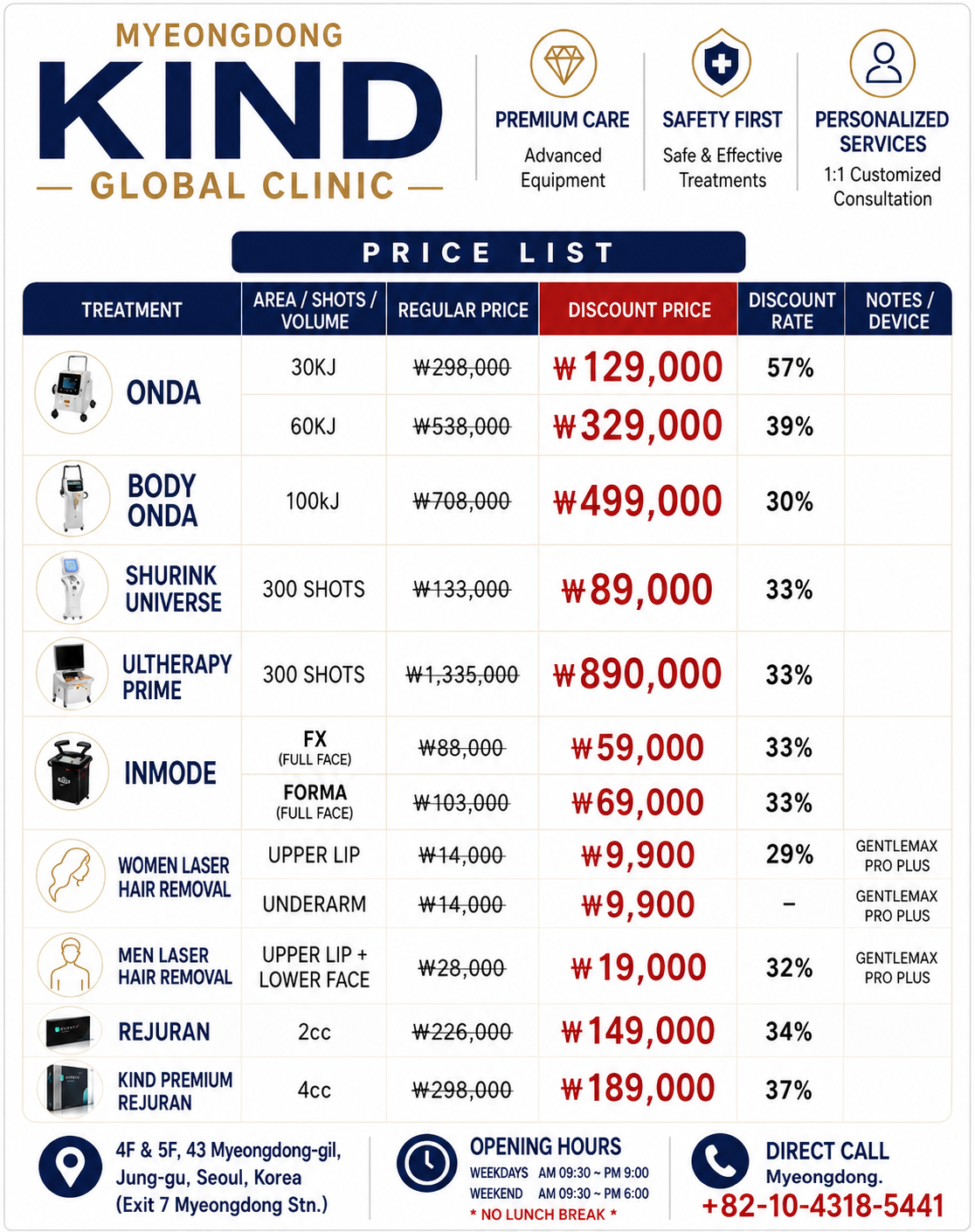
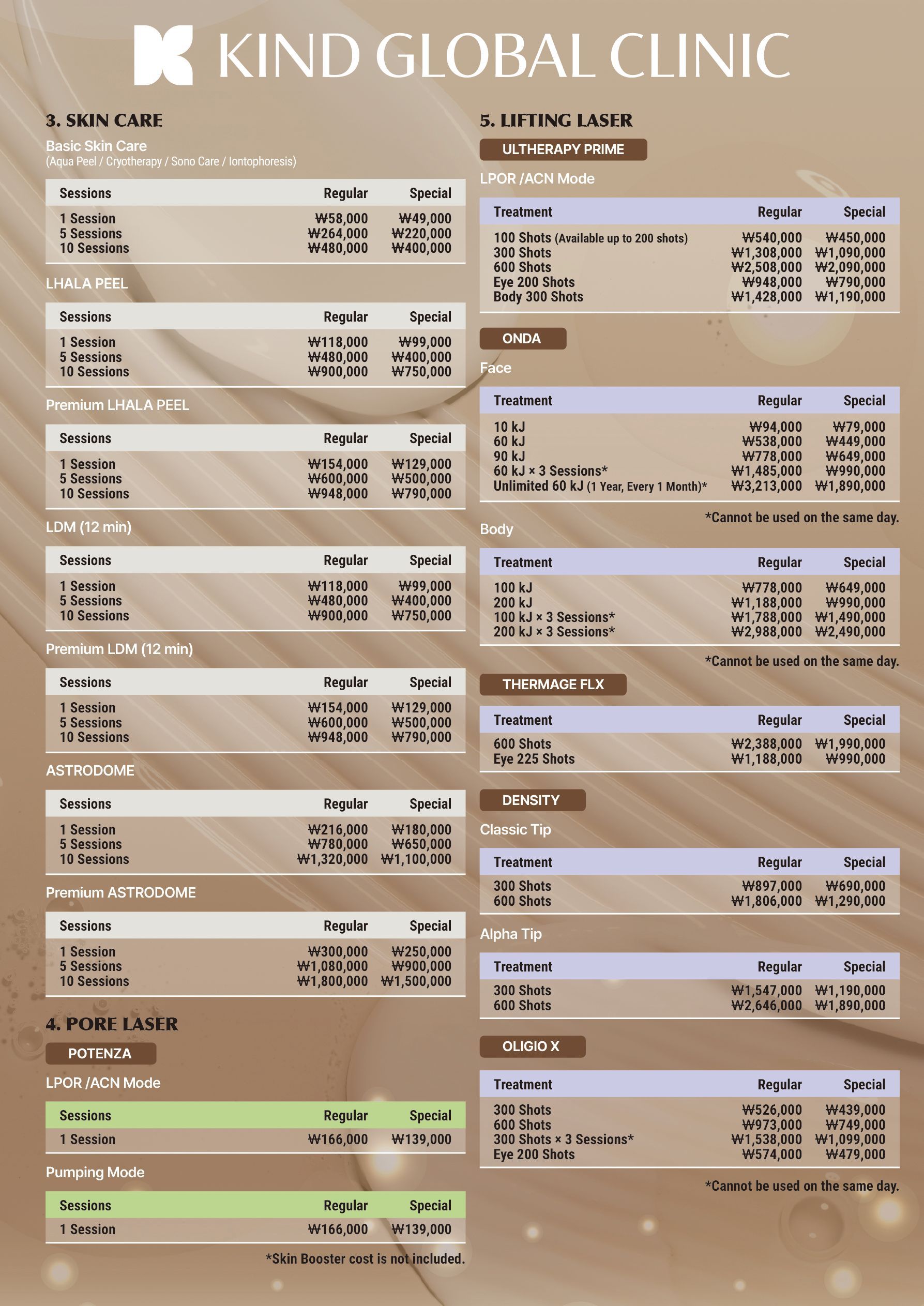
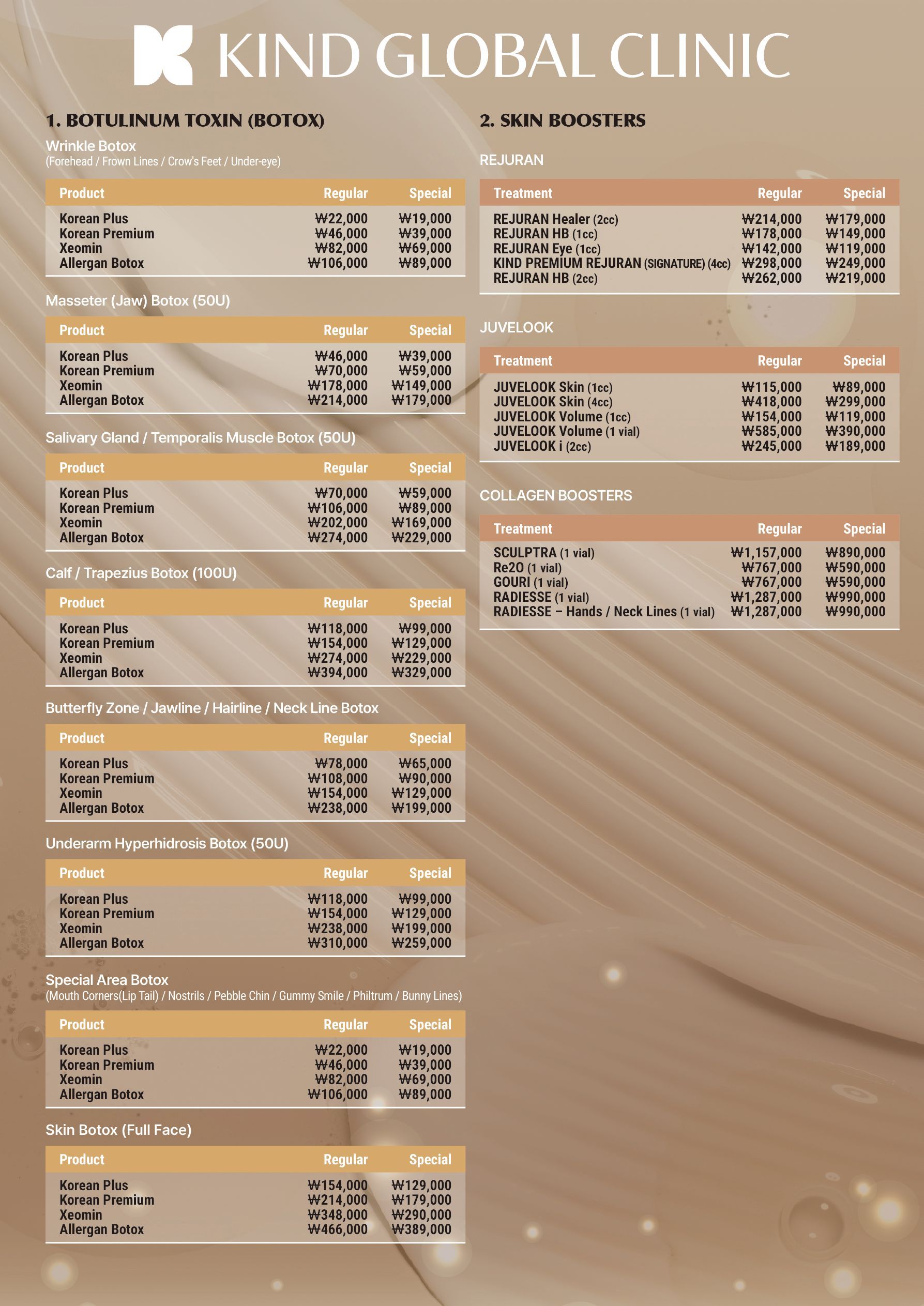
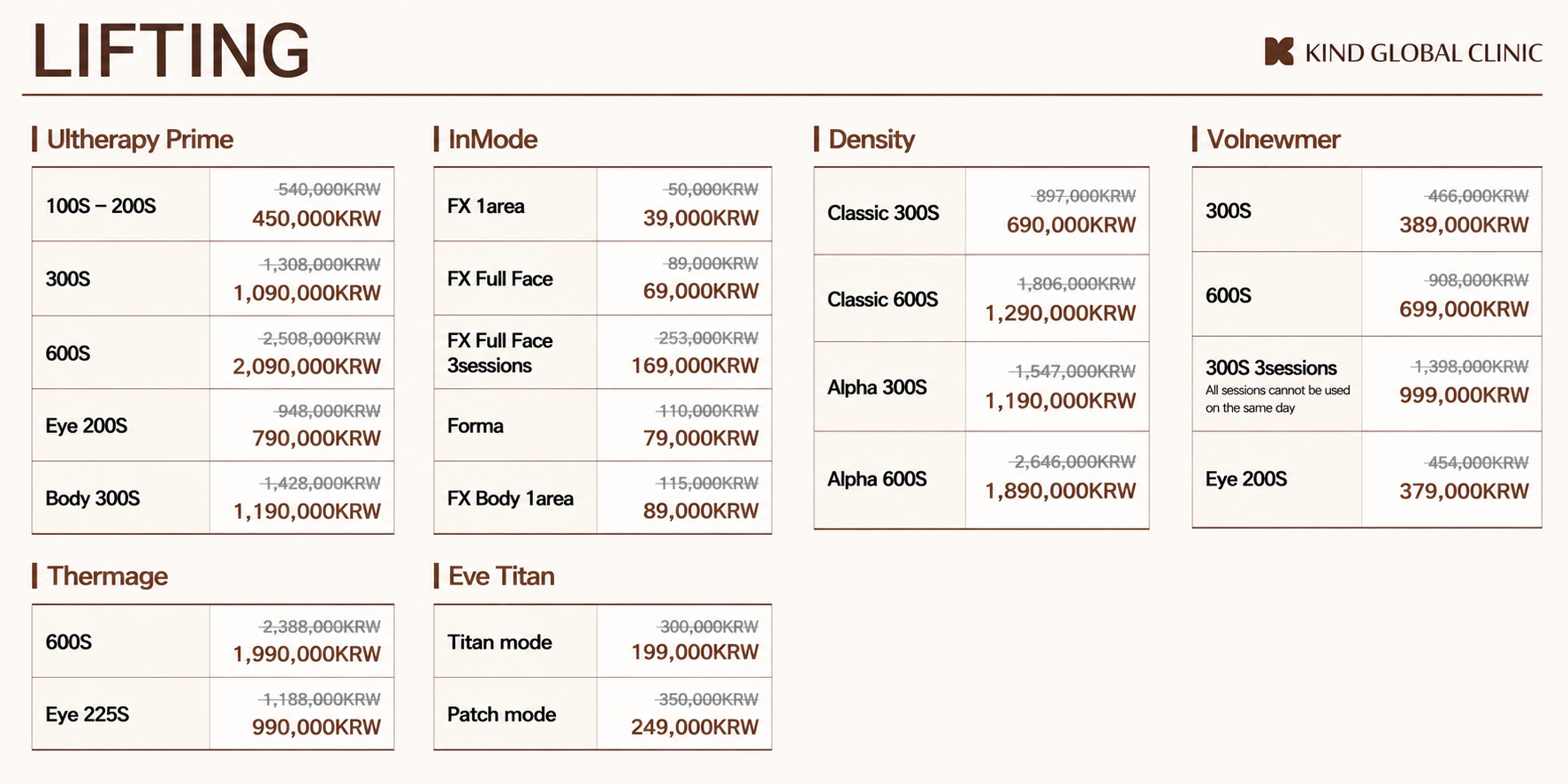
How Much Does a One-Year Plan Cost?
The Budget Can Vary Significantly
Annual costs depend on:
- Treatment type
- Number of sessions
- Clinic
- Treatment area
- Product used
- Energy level
- Maintenance frequency
A personalized quotation is more useful than a generic package price.
How to Build a Treatment Budget
Divide Treatments Into Priorities
A practical strategy is:
Priority One: Main concern
Priority Two: Secondary concern
Priority Three: Maintenance
For example, if laxity is your main issue, spend more of your treatment budget on appropriate tightening rather than multiple unrelated procedures.
How to Prepare Before Each Treatment
Keep Your Provider Informed
Tell your dermatologist about:
- Previous aesthetic procedures
- Current medications
- Skin reactions
- Allergies
- Recent treatments
- Upcoming events
- Travel plans
This helps the provider plan treatment safely.
What to Avoid Before Treatment
Follow Procedure-Specific Instructions
Depending on the treatment, your provider may recommend avoiding certain:
- Active skincare products
- Exfoliation
- Heat exposure
- Sun exposure
- Other aesthetic procedures
Do not assume the same preparation applies to every procedure.
Aftercare Throughout the Year
Daily Habits Remain Important
Professional treatments work best when supported by good daily skincare.
Important habits include:
- Daily sunscreen
- Gentle cleansing
- Adequate moisturization
- Avoiding excessive sun exposure
- Consistent skincare
- Healthy lifestyle habits
Why Sunscreen Is Essential
UV Exposure Can Undermine Your Investment
Repeated UV exposure contributes to:
- Pigmentation
- Collagen breakdown
- Fine lines
- Uneven skin tone
- Premature aging
A yearly treatment plan cannot compensate for inadequate sun protection.
When to Modify the Annual Plan
Your Skin May Change During the Year
A treatment plan should be flexible.
You may need to change the schedule if you experience:
- Increased sensitivity
- New pigmentation
- Acne
- Unexpected irritation
- Significant weight changes
- Pregnancy or other medical changes
Your provider should reassess the plan when necessary.
Why Korean Combination Treatment Is Not About Doing Everything
Customization Matters More Than Quantity
Korea offers a wide range of aesthetic technologies.
That variety is useful, but it can also make patients feel that they need multiple procedures.
The better approach is to identify the specific problem first and then choose the appropriate treatment.
How to Choose a Korean Dermatology Clinic
Look Beyond Promotional Packages
When selecting a clinic, consider:
- Medical credentials
- Provider experience
- Treatment explanation
- Consultation quality
- Device transparency
- Product information
- Aftercare
- International patient support
A good clinic should explain both benefits and limitations.
Questions to Ask During Your Consultation
Make the Annual Plan Specific
Ask:
What is my primary skin concern?
Which treatment should come first?
How long should I wait between procedures?
Which treatments can be combined?
Which treatments should be separated?
What results are realistic?
How often will I need maintenance?
What should I avoid between treatments?
Conclusion
A one-year Korean combination treatment plan can provide a more organized approach to cosmetic dermatology than repeatedly choosing procedures without a long-term strategy. By spacing treatments throughout the year, patients can address different concerns while giving their skin time to recover and respond.
The ideal plan may include skin tightening, lasers, injectables, skin boosters, collagen-stimulating procedures, or professional skincare, but not necessarily all of them. Age, skin condition, facial anatomy, lifestyle, previous treatments, and personal goals should determine the schedule.
For international patients, a yearly strategy can also make repeat visits to Korea more efficient. Instead of trying to complete multiple procedures during one short trip, treatments can be planned around seasonal changes, recovery periods, and personal events.
The best one-year skin plan is not the busiest schedule. It is a flexible, evidence-informed strategy that uses the right treatment when your skin actually needs it.
FAQs
What should a one-year Korean skin treatment plan include?
It may include a combination of skin assessment, tightening, pigmentation treatment, skin-quality procedures, collagen stimulation, maintenance, and professional skincare depending on individual needs.
Do I need treatments every month?
No. Some months may be dedicated to recovery, skincare, monitoring, or maintenance rather than procedures.
Can I combine lasers and injectables?
They may be combined in a broader treatment plan, but the timing should be determined by your provider.
How often should skin-tightening treatments be done?
The appropriate interval depends on the specific technology, treatment intensity, skin condition, and individual response.
Can international patients follow an annual Korean treatment plan?
Yes. Patients who regularly travel to Korea can coordinate treatments around their visits, provided treatment records and follow-up are maintained.
Is a one-year package from a Korean clinic worth it?
It depends on what is included. A package is only worthwhile if the treatments are medically appropriate and actually address your goals.
Can I do a full year's treatments during one Korea trip?
It is generally better not to compress an entire year's treatment plan into one visit. Different procedures may require recovery and spacing.
How can I maintain results between Korean dermatology visits?
Daily sunscreen, appropriate skincare, healthy lifestyle habits, and following your dermatologist's maintenance recommendations are important.