Four-Season Skin Treatment Plan in Korea
Introduction
A four-season skin treatment plan in Korea can be a practical approach for patients who want to maintain healthy, youthful-looking skin throughout the year. Korea has distinct seasonal changes, from hot and humid summers to cold and dry winters, and these environmental differences can influence hydration, pigmentation, oil production, sensitivity, and overall skin condition.
Instead of using the same treatment strategy throughout the year, a seasonal plan allows cosmetic dermatology treatments to be adjusted according to changing skin needs. Laser treatments, skin boosters, collagen-stimulating procedures, tightening treatments, and medical-grade skincare can each have a place in an annual plan. The key is to avoid excessive treatment and choose procedures based on your actual skin concerns.
Why a Seasonal Skin Plan Makes Sense
Your Skin Does Not Behave the Same All Year
Seasonal changes can affect:
- Hydration
- Sebum production
- Pigmentation
- Skin sensitivity
- Barrier function
- Fine lines
- Acne
- Redness
- Overall texture
A treatment that works well during one season may need to be adjusted during another.
Winter Skin Treatment in Korea
Focus on Hydration and Skin Barrier Support
Korean winters can be cold and dry, which may leave the skin feeling tight, rough, or dehydrated.
Winter may therefore be a useful period to focus on:
- Hydration
- Skin barrier support
- Fine lines caused by dryness
- Texture
- Collagen maintenance
Patients may consider selected skin boosters or other skin-quality treatments when clinically appropriate.
Winter Treatments for Dry Skin
Restore Skin Quality Before Aggressive Procedures
When the skin barrier is compromised, aggressive treatments may not be the first priority.
A dermatologist may instead recommend:
- Gentle professional care
- Hydrating treatments
- Skin boosters
- Rejuran
- Medical-grade moisturizers
- Barrier-supporting skincare
The exact approach depends on the severity of dryness.
Can Winter Be Good for Laser Treatments?
Lower UV Exposure Can Be Helpful
Some laser procedures may be easier to schedule during periods when UV exposure is lower.
However, winter does not eliminate the need for sunscreen.
Patients undergoing pigmentation-focused procedures should continue strict sun protection.
Winter for Collagen-Stimulating Treatments
A Good Time to Plan Long-Term Improvement
Winter can be suitable for selected collagen-focused treatments because patients may have fewer outdoor activities.
Depending on the patient's condition, options may include:
- RF microneedling
- Fractional laser
- Selected ultrasound treatments
- Radiofrequency treatments
Treatment selection should be based on the skin concern.
Spring Skin Treatment in Korea
Prepare for Increasing UV Exposure
Spring brings increasing sunlight, changing temperatures, and more outdoor activity.
This makes spring an important time to focus on:
- Pigmentation prevention
- Sunscreen
- Hydration
- Texture
- Early signs of sun damage
Patients should gradually transition from heavy winter skincare to a lighter routine when appropriate.
Spring Treatments for Dull Skin
Refresh the Skin After Winter
If the skin appears dull after winter, a dermatologist may consider treatments aimed at:
- Uneven tone
- Texture
- Hydration
- Radiance
A gentle treatment may be more appropriate than aggressive resurfacing for sensitive skin.
Spring Pigmentation Management
Prevention Becomes More Important
As UV exposure increases, pigmentation can become more noticeable.
Patients with melasma or post-inflammatory pigmentation should be especially cautious.
Treatment may include selected laser or non-laser approaches, but aggressive treatment is not always the best strategy.
Spring Collagen Maintenance
Address Early Fine Lines Before They Become More Noticeable
Patients with early aging may consider collagen-supporting treatments during spring.
The objective should be gradual improvement rather than dramatic transformation.
Summer Skin Treatment in Korea
Humidity and UV Exposure Change the Strategy
Korean summers can be hot and humid.
This can contribute to:
- Increased oiliness
- Acne
- Clogged pores
- Sweating
- Pigmentation
- Increased UV exposure
Summer treatment should therefore be more conservative in some patients.
Summer Treatment for Oily Skin
Control the Factors That Make Pores More Visible
Patients may notice larger-looking pores because of increased sebum production.
Depending on the underlying cause, treatment may involve:
- Gentle laser toning
- Pore-focused skincare
- RF microneedling
- Acne treatment
- Medical-grade skincare
The correct treatment depends on whether the problem is oil, texture, acne, or loss of elasticity.
Summer Acne Management
Heat and Sweat Can Trigger Breakouts
Patients prone to acne may need a more structured routine during summer.
A dermatologist may recommend:
- Acne medication
- Professional acne treatment
- Oil-control skincare
- Appropriate cleansing
- Selected laser treatments
Avoiding overly heavy products can also be useful for some skin types.
Summer Pigmentation Protection
Sunscreen Becomes Essential
UV exposure can worsen:
- Melasma
- Sun spots
- Post-inflammatory pigmentation
- Uneven skin tone
Daily broad-spectrum sunscreen is essential regardless of whether you receive cosmetic dermatology treatments.
Can You Get Laser Treatments in Summer?
Some Treatments Require Extra Caution
Laser treatment is not automatically prohibited during summer.
However, patients may need to consider:
- Recent sun exposure
- Outdoor activities
- Skin sensitivity
- Recovery time
- Pigmentation risk
Your dermatologist should determine whether the treatment is appropriate.
Summer Skin Boosters
Hydration Can Be a Major Priority
Some patients may consider skin-quality treatments during summer.
However, if you have an important vacation or outdoor event, remember that injectables can cause temporary swelling or bruising.
Schedule treatments accordingly.
Autumn Skin Treatment in Korea
A Good Transition Period
Autumn brings cooler temperatures and gradually lower humidity.
This can be a useful period to reassess the skin after summer.
Common concerns include:
- Sun-related pigmentation
- Dehydration
- Uneven texture
- Fine lines
- Reduced elasticity
Autumn Pigmentation Assessment
Evaluate the Effects of Summer Sun Exposure
After months of increased UV exposure, pigmentation may become more noticeable.
A dermatologist can assess whether you need:
- Pigmentation treatment
- Laser toning
- Medical skincare
- Sun protection
- A longer-term pigmentation strategy
Autumn for Skin Resurfacing
Consider Texture-Focused Treatments
Patients concerned about:
- Acne scars
- Fine lines
- Rough texture
- Enlarged pores
may discuss resurfacing treatments during autumn.
Potential options include selected fractional laser or RF microneedling procedures.
Autumn Collagen Treatments
Prepare the Skin for Winter
Autumn can also be a useful time to consider collagen-stimulating treatments.
The objective is to improve firmness and texture before the dry winter months.
Four-Season Combination Treatment Strategy
Each Season Can Have a Different Priority
A simple annual strategy might look like:
Winter: hydration and skin-quality support
Spring: pigmentation prevention and skin refresh
Summer: oil, acne, and UV management
Autumn: pigmentation correction and collagen-focused treatment
This is only a general framework.
Four-Season Plan for Patients in Their 30s
Focus on Prevention
Patients in their 30s may prioritize:
- Sunscreen
- Hydration
- Early fine lines
- Pigmentation
- Texture
- Mild collagen maintenance
Aggressive procedures may not be necessary.
Four-Season Plan for Patients in Their 40s
Address Multiple Signs of Aging
Patients in their 40s may begin incorporating:
- Skin tightening
- Collagen stimulation
- Skin boosters
- Pigmentation treatments
- Fine-line management
The frequency should depend on individual response.
Four-Season Plan for Patients Over 50
Focus on Firmness and Skin Quality
Patients over 50 may have more noticeable:
- Laxity
- Fine lines
- Volume changes
- Texture changes
- Elasticity loss
Non-surgical treatments can improve selected concerns, but significant tissue descent may require surgical evaluation.
Seasonal Plan for Acne-Prone Skin
Summer May Require More Attention
Acne-prone patients may need more active management during hot and humid periods.
A yearly strategy can emphasize:
- Acne control in summer
- Pigmentation management after breakouts
- Scar treatment during appropriate periods
- Barrier support during winter
Seasonal Plan for Melasma
Prevention Is as Important as Treatment
Melasma can be challenging because UV and visible light exposure may worsen it.
A long-term plan may include:
- Strict sun protection
- Appropriate skincare
- Conservative procedures
- Regular dermatological assessment
Aggressive laser treatment should not automatically be the first option.
Seasonal Plan for Acne Scars
Treat Scarring When the Skin Is Ready
Acne scars can require multiple treatment approaches.
Depending on scar type, options may include:
- RF microneedling
- Fractional laser
- Subcision
- Combination procedures
Treatment should be planned around active acne and pigmentation.
Seasonal Plan for Sensitive Skin
Recovery Should Be a Priority
Sensitive skin may not tolerate frequent aggressive procedures.
A seasonal plan can deliberately include recovery periods.
The goal is to strengthen and maintain the skin rather than continuously stimulate it.
How to Combine Treatments Throughout the Year
Avoid Stacking Everything Into One Season
A patient may have several treatments during a year, but that does not mean they should all happen within one month.
For example:
Skin booster
→ Recovery
→ Laser
→ Recovery
→ Tightening treatment
This spacing can make the overall plan easier to manage.
Can You Combine Laser and Skin Boosters?
Timing Depends on the Treatment
Some clinics may combine different treatments, while others recommend separating them.
The correct timing depends on:
- Laser type
- Injection product
- Treatment area
- Skin sensitivity
- Recovery requirements
Can You Combine Tightening Treatments With Injectables?
Combination Treatment Requires Careful Planning
Treatments such as Thermage, Ultherapy, Sofwave, or other energy-based procedures may be combined with injectables in selected patients.
However, the sequence and timing should be determined by an experienced provider.
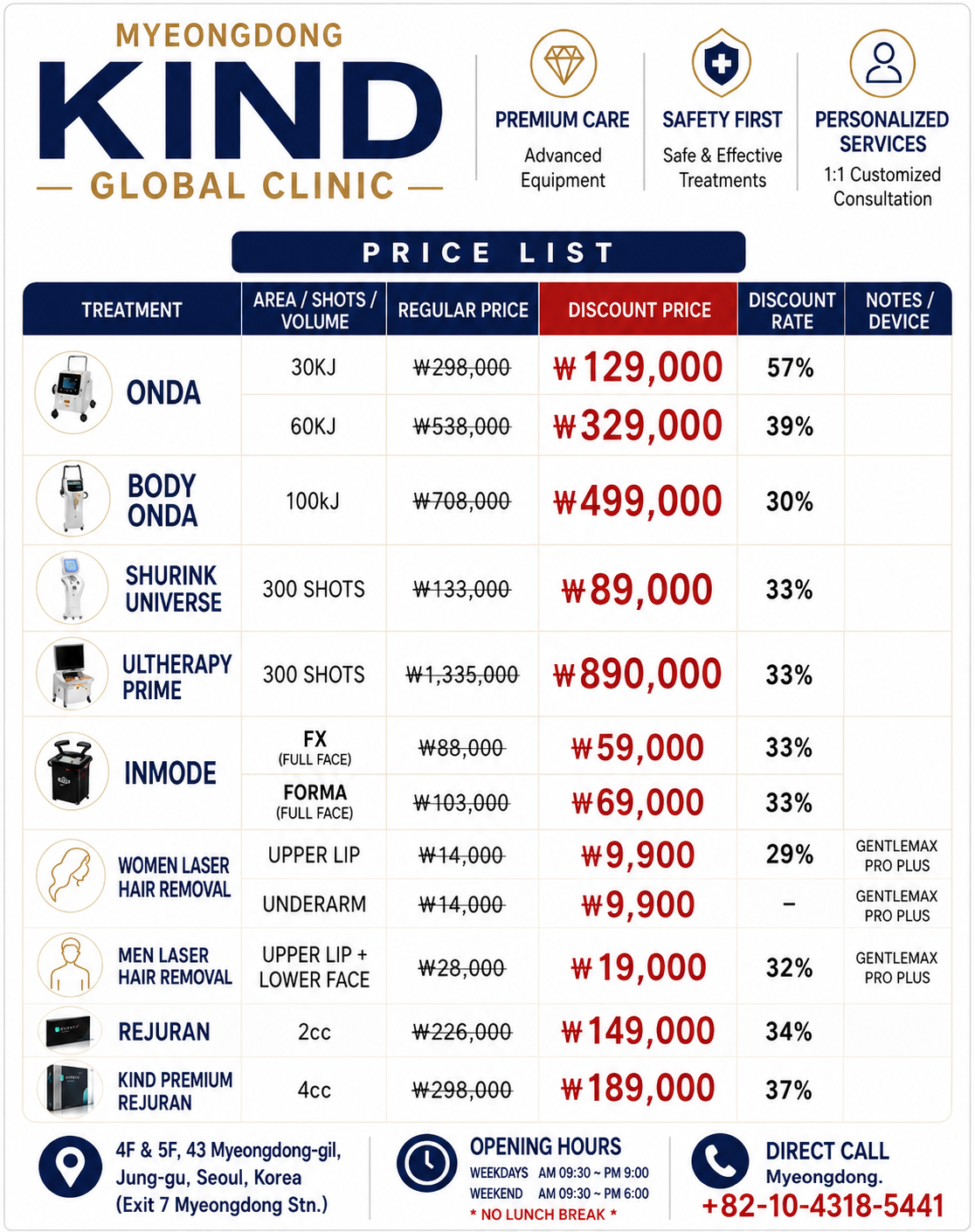
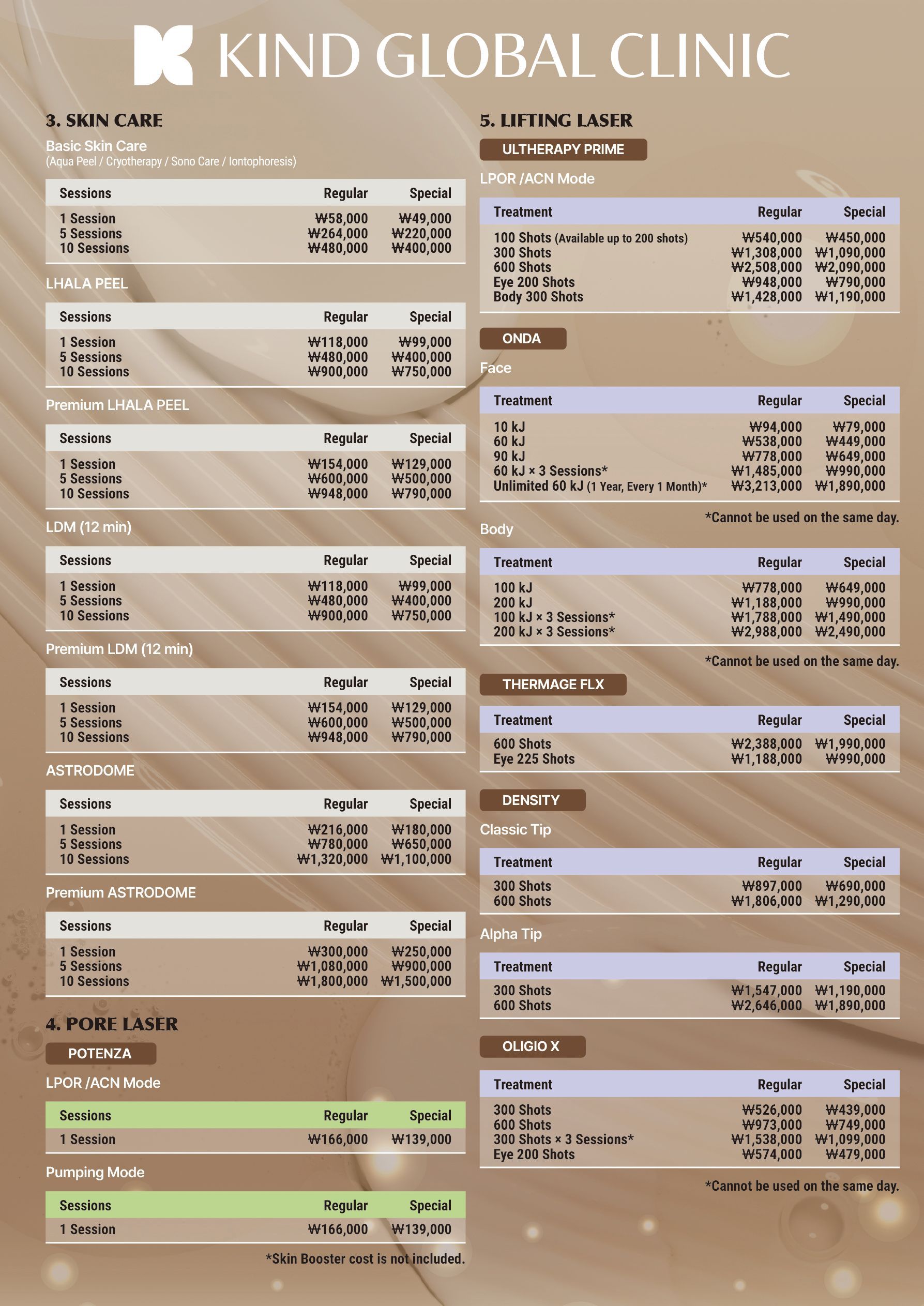
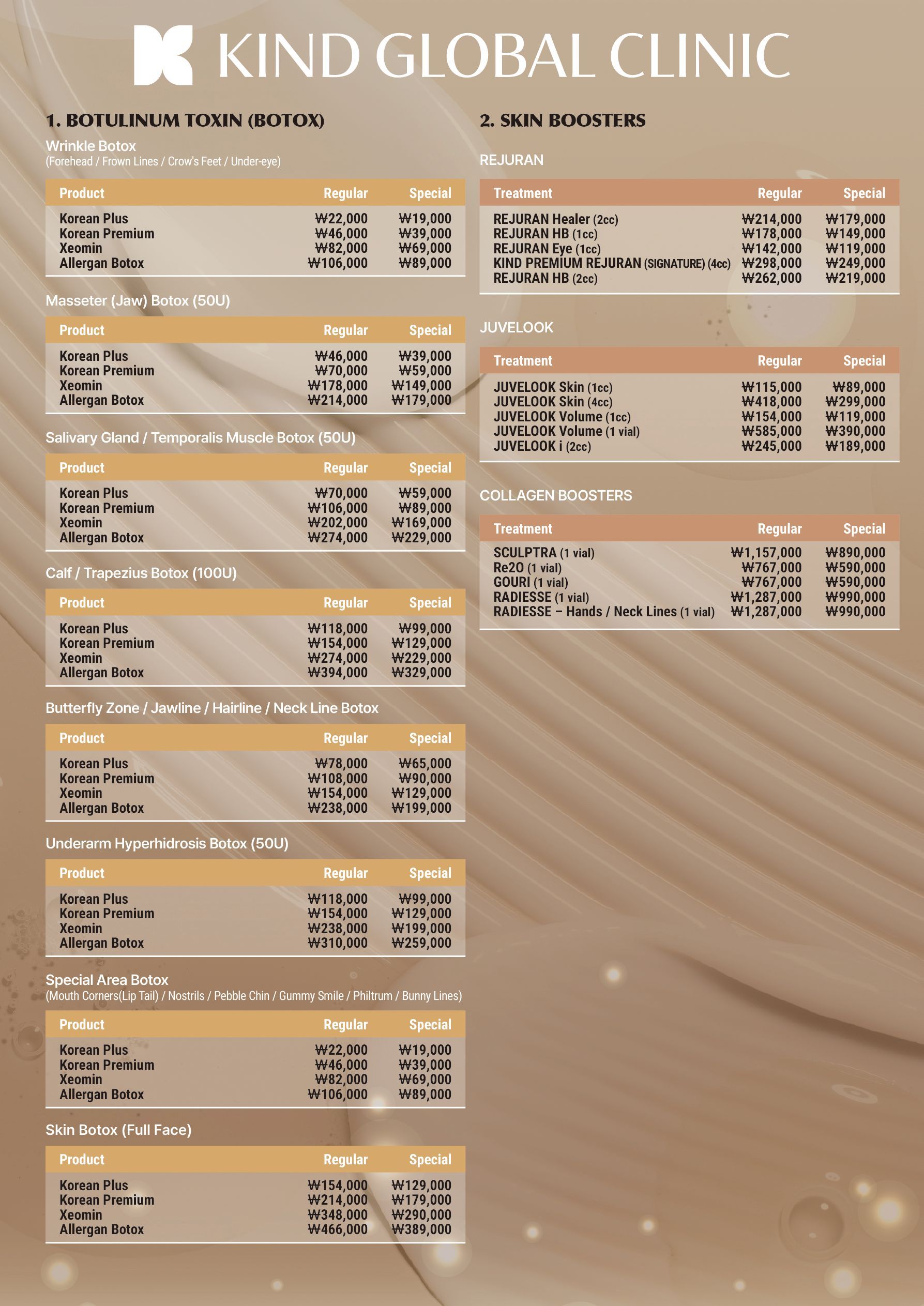
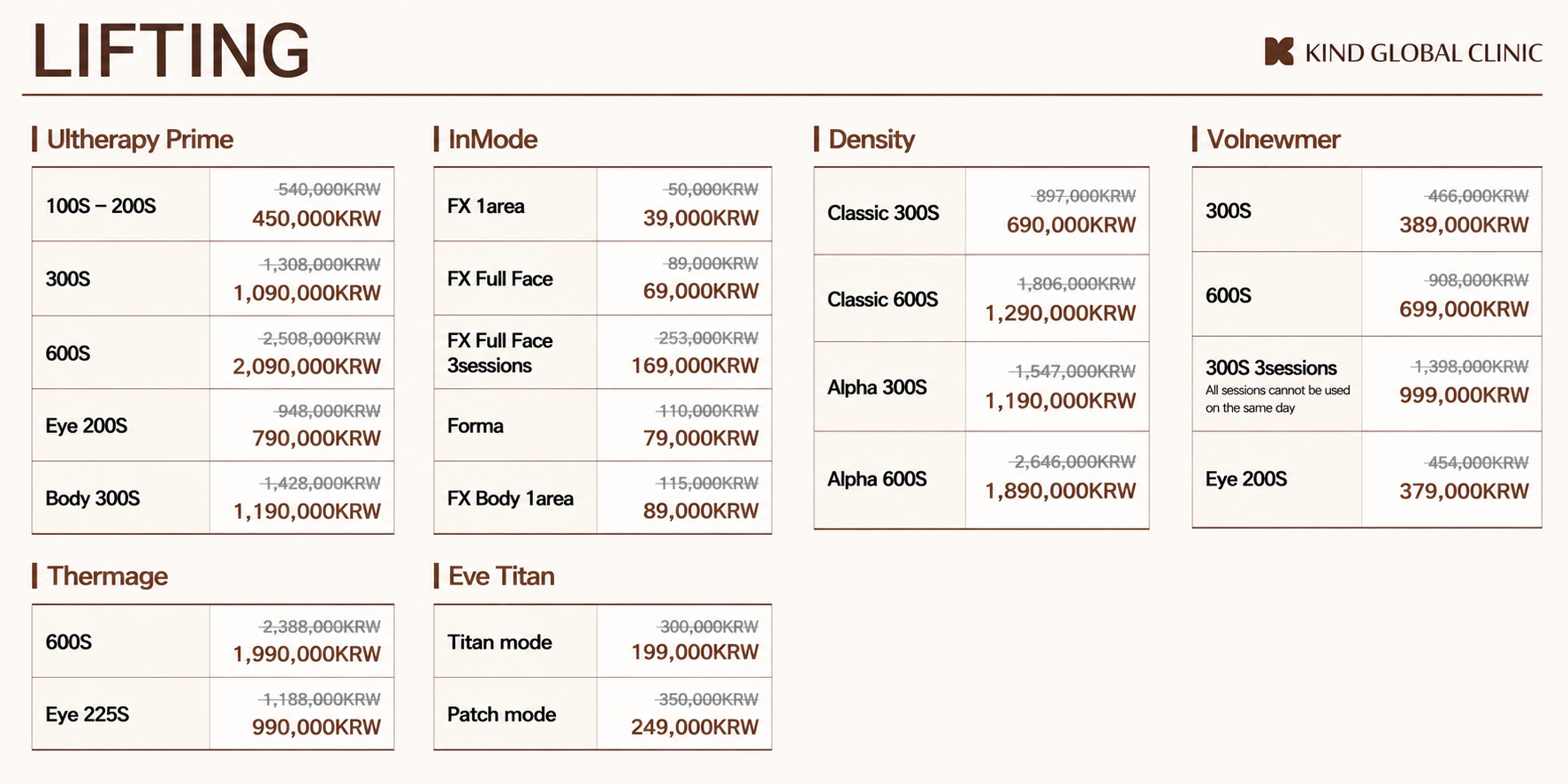
How Much Does a Four-Season Treatment Plan Cost?
Annual Costs Depend on Treatment Selection
The cost can vary substantially depending on:
- Number of treatments
- Device
- Clinic
- Treatment area
- Injectable product
- Number of sessions
- Maintenance schedule
A personalized annual budget is more useful than relying on a fixed package.
How to Create a Treatment Budget
Prioritize Your Biggest Concern
A practical strategy is to divide your budget into:
Primary concern: the issue you most want to improve
Secondary concern: another visible issue
Maintenance: procedures or skincare that support long-term results
This helps prevent unnecessary spending.
What Should You Do Between Treatments?
Daily Skincare Remains Important
Professional treatments should be supported with:
- Sunscreen
- Moisturizer
- Gentle cleansing
- Appropriate active ingredients
- Healthy lifestyle habits
Consistency often matters more than adding another procedure.
Why Sunscreen Is the Foundation of Every Season
UV Protection Should Never Be Seasonal
Even during winter, UV exposure can contribute to pigmentation and collagen degradation.
Use sunscreen consistently, especially when undergoing cosmetic dermatology treatments.
How International Patients Can Use a Four-Season Plan
Coordinate Treatment With Korea Visits
If you regularly visit Korea, each trip can have a specific objective.
For example:
Winter visit: skin quality
Spring visit: pigmentation assessment
Summer visit: acne and oil management
Autumn visit: collagen or texture treatment
This is more practical than trying to complete everything during one trip.
If You Only Visit Korea Once a Year
Prioritize Your Main Goal
Patients visiting Korea only once should focus on treatments that:
- Address their primary concern
- Fit their recovery period
- Can be safely completed during the trip
- Have realistic maintenance requirements
Do not compress four seasons of treatment into one appointment.
When Should You Skip a Treatment?
Your Skin Condition Comes First
Treatment may need to be postponed if you have:
- Active irritation
- Significant sunburn
- Skin infection
- Severe inflammation
- Unexpected swelling
- A compromised skin barrier
Your dermatologist should assess whether treatment should proceed.
Why Seasonal Treatment Should Remain Flexible
The Calendar Is a Guide, Not a Rule
Skin does not follow an exact schedule.
If your skin is healthy in winter, you may not need an injectable treatment.
If pigmentation worsens in spring, your plan may need adjustment.
The best annual plan responds to your skin rather than forcing treatment into predetermined months.
Questions to Ask Your Korean Dermatologist
Create a Plan That Matches Your Lifestyle
Ask:
Which treatments should I prioritize this year?
Which procedures are appropriate for each season?
How long should I wait between treatments?
Which procedures should not be combined?
How much downtime should I expect?
What should I avoid after treatment?
Which treatments need maintenance?
Can the plan be adjusted during the year?
Conclusion
A four-season skin treatment plan in Korea can help patients approach cosmetic dermatology in a more organized and sustainable way. Rather than choosing treatments randomly, each season can have a specific purpose based on environmental conditions and changing skin concerns.
Winter can emphasize hydration and barrier support. Spring can focus on pigmentation prevention and skin refreshment. Summer may require more attention to oil, acne, and UV protection. Autumn can be a useful period for reassessing pigmentation and considering collagen or texture-focused treatments.
However, these seasonal priorities are not strict rules. Your actual skin condition should always determine the treatment plan.
The best four-season approach is not about receiving treatments all year long. It is about knowing when to treat, when to maintain, and when to let your skin recover.
FAQs
What is a four-season skin treatment plan in Korea?
It is an annual approach that adjusts professional skincare and cosmetic dermatology treatments according to seasonal skin changes and individual concerns.
Which season is best for laser treatment in Korea?
Some laser treatments may be easier to schedule during periods of lower UV exposure, but suitability depends on the specific laser, skin condition, and lifestyle.
Is summer a bad time for cosmetic dermatology?
Not necessarily. Some treatments can be performed during summer, but patients may need additional sun protection and recovery planning.
What skin treatments are useful during winter in Korea?
Hydration-focused treatments, skin-quality procedures, barrier support, and selected collagen treatments may be considered depending on individual needs.
When should I treat pigmentation?
Pigmentation treatment should be personalized. Prevention and consistent sun protection are essential throughout the year.
Can I combine treatments during one season?
Some treatments can be combined, but others should be separated. Your dermatologist should determine the appropriate timing.
Can international patients follow a four-season plan?
Yes. Patients who visit Korea regularly can coordinate treatments around their travel schedule and seasonal skin needs.
Do I need professional treatment every season?
No. Some seasons may be better used for maintenance, recovery, and skincare rather than procedures.